Ear Infections in Dogs and Cats: Symptoms, Causes, and Prevention Tips
Ear infections are among the most common reasons pets visit the veterinarian. Recognizing pet illness symptoms early—especially changes around the ears such as head shaking, scratching, odor, or discharge—helps you act before pain and complications set in. This practical guide explains ear infection symptoms in pets, what causes them, how veterinarians diagnose and treat them, what safe home care looks like, and when to take your pet to the vet.
Important: If your dog or cat seems very painful, is off-balance, can’t stop scratching, or the ear is hot, swollen, or bleeding, contact your veterinarian or an urgent care clinic as soon as possible.
Quick Takeaways
- Common signs include head shaking, ear scratching, redness, odor, brown/yellow discharge, sensitivity when you touch the ear, and sometimes balance problems.
- Causes range from allergies and moisture to parasites in pets (ear mites), bacterial or yeast overgrowth, foreign material, and ear canal shape.
- Do not use cotton swabs inside the canal or human ear drops. Proper cleaning and prescription medications from your vet are key.
- Prevention focuses on regular ear checks, targeted cleaning, drying after baths/swims, parasite control, and allergy management.
- See your vet promptly if symptoms are severe, recur, or
What Counts as an Ear Infection?
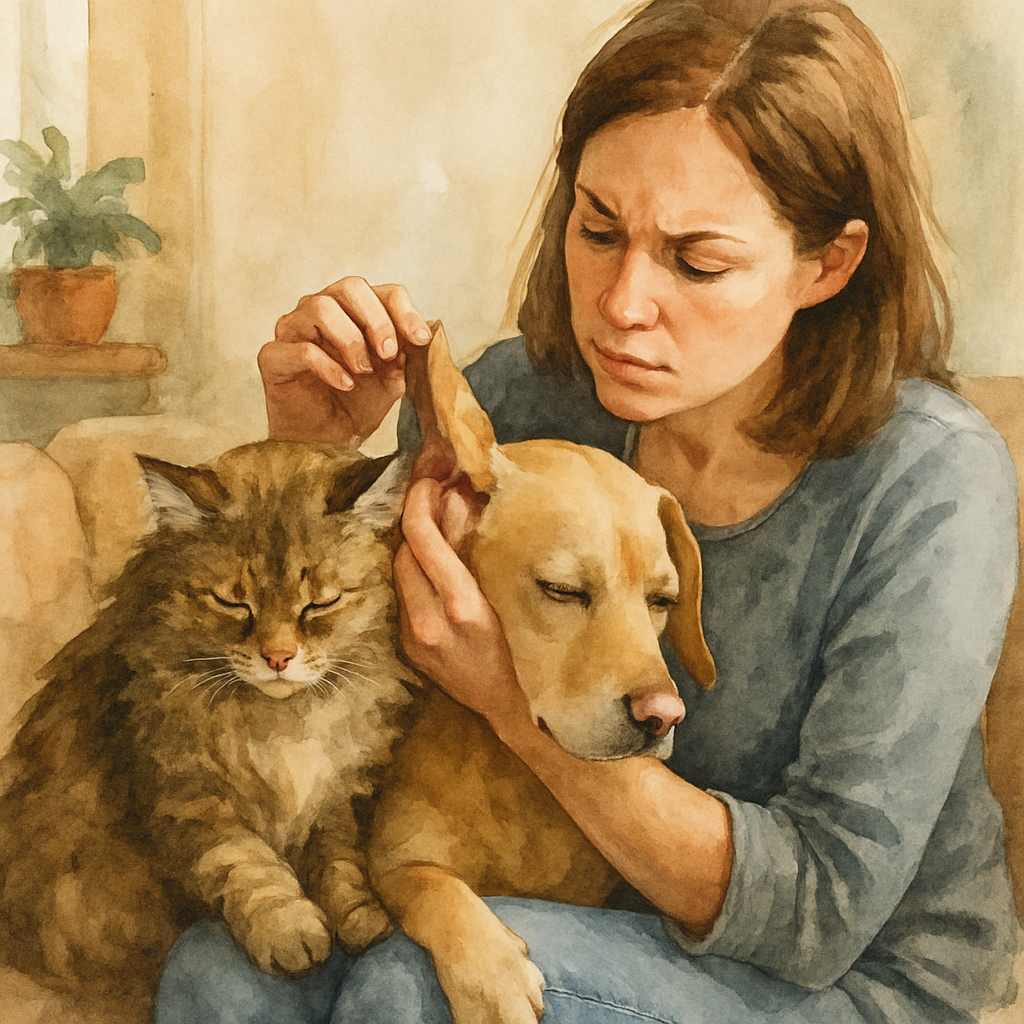
Veterinarians typically refer to ear infections as “otitis.” They classify them based on where the inflammation occurs:
- Otitis externa: Infection/inflammation of the outer ear canal (most common).
- Otitis media: Middle-ear infection, often after a ruptured eardrum or via the Eustachian tube.
- Otitis interna: Inner-ear infection, which can affect balance and hearing and is more serious.
Dogs experience otitis externa more frequently than cats. Cats can develop ear mites, allergic disease, or growths called polyps that trigger infection.
Ear Infection Symptoms in Pets
Because dogs and cats can’t tell us where it hurts, watch for these symptoms and behavior changes:
- Itching and scratching around or inside the ear; rubbing the ear on furniture or the floor.
- Head shaking or tilting, sometimes persistently to one side.
- Redness and swelling of the ear flap and/or canal.
- Odor from one or both ears.
- Discharge: Brown, black, yellow, or pus-like material; dried debris resembling coffee grounds suggests ear mites in cats and some dogs.
- Pain when you touch or examine the ear; yelping, pulling away, or irritability.
- Balance problems, circling, stumbling, fast eye movements (nystagmus), or apparent hearing loss—especially with otitis media/interna.
- Lethargy and decreased appetite, particularly if infection is severe or systemic.
Note: Eye discharge in dogs and cats is not a typical sign of ear infection, but it may occur with concurrent allergies or respiratory infection in pets (especially in kittens or shelter cats). If you notice eye or nasal discharge plus ear symptoms, have your vet evaluate the whole picture.
Common Causes and Risk Factors
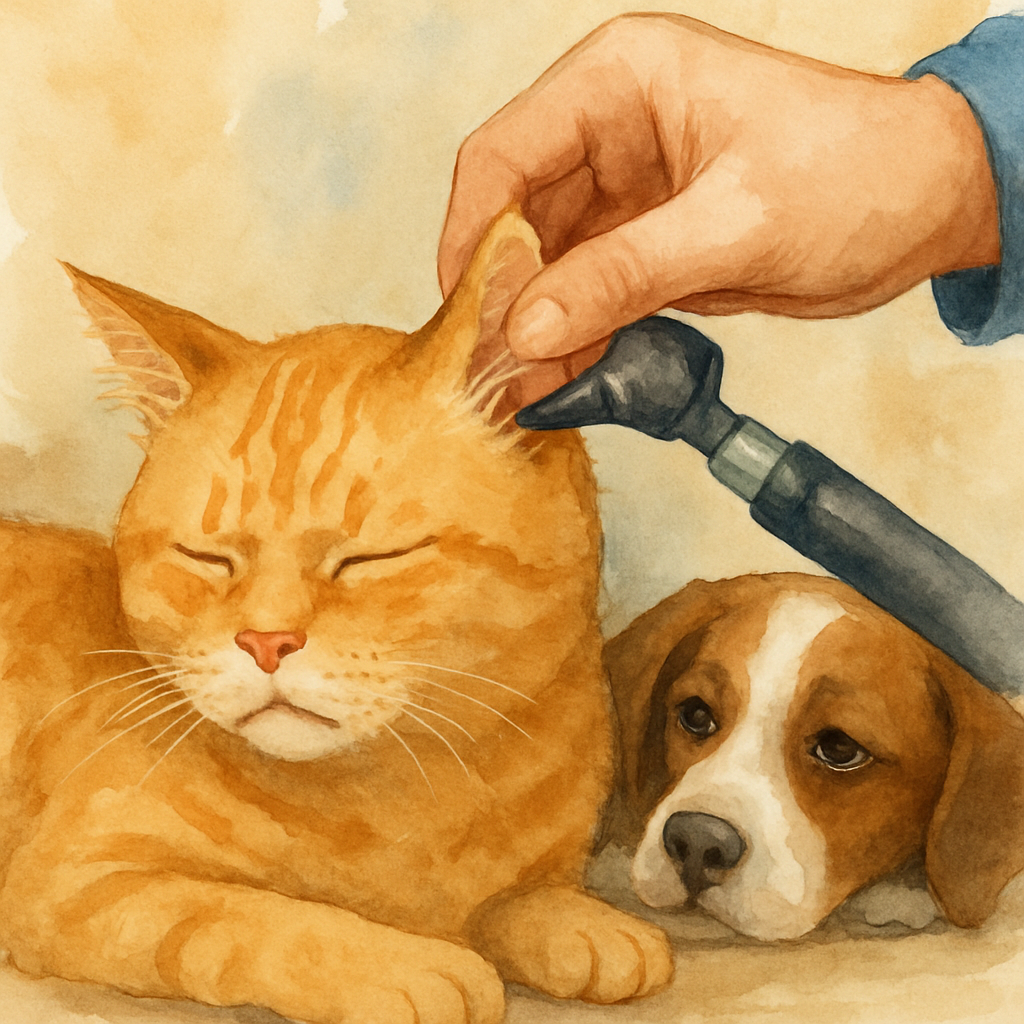
Ear infections rarely happen “out of the blue.” There’s usually a trigger plus a change in the ear’s microenvironment that allows microbes to overgrow.
Primary Triggers
- Allergies (environmental or food): A leading cause in dogs; allergies inflame the skin of the canal and disrupt its defenses.
- Parasites in pets: Ear mites (Otodectes) are common in cats and can affect dogs—especially puppies and shelter adoptees.
- Foreign bodies: Foxtails/grass awns, dirt, or hair plugs, particularly in active or long-haired dogs.
- Moisture: Frequent swimming, bathing, or humidity creates a warm, damp canal perfect for yeast and bacteria.
- Microbial overgrowth: Normal bacteria/yeast can overgrow when canal defenses are disrupted.
- Underlying disease: Endocrine issues (hypothyroidism, Cushing’s), autoimmune conditions, or skin disease.
- Structural factors: Narrow ear canals, heavy or pendulous ear flaps, or excessive hair in canals can trap moisture/debris.
- Growths: Polyps (especially in cats), cysts, or tumors that obstruct normal drainage and airflow.
- Trauma: Aggressive cleaning or scratching can inflame tissue and introduce infection.
Dogs vs. Cats: What’s Different?
- Dogs: Allergies and moisture are top drivers. Breeds with floppy ears (Cocker Spaniels, Basset Hounds) or hairy canals (Poodles) are at higher risk.
- Cats: Ear mites and nasopharyngeal polyps are more common. Outdoor cats, multi-cat homes, and kittens are at higher risk for mites.
How Veterinarians Diagnose Ear Infections
A thorough vet visit does more than confirm infection—it identifies the cause and any complications.
- History and physical exam: Duration, previous infections, swimming/bathing habits, diet, exposure to other pets, allergy signs (itchy paws, face rubbing).
- Otoscopy: Visual inspection of the ear canal and eardrum to look for swelling, debris, foreign bodies, and eardrum integrity.
- Cytology: A swab of ear debris examined under a microscope to identify bacteria, yeast, or mites. This directs medication choice.
- Culture and sensitivity: For recurrent, severe, or nonresponsive cases to select the best antibiotic.
- Imaging: X-rays, CT, or MRI for suspected middle/inner ear disease or polyps/tumors.
- Allergy and endocrine testing: If recurrent or year-round ear issues suggest a systemic cause.
Treatment Options That Work
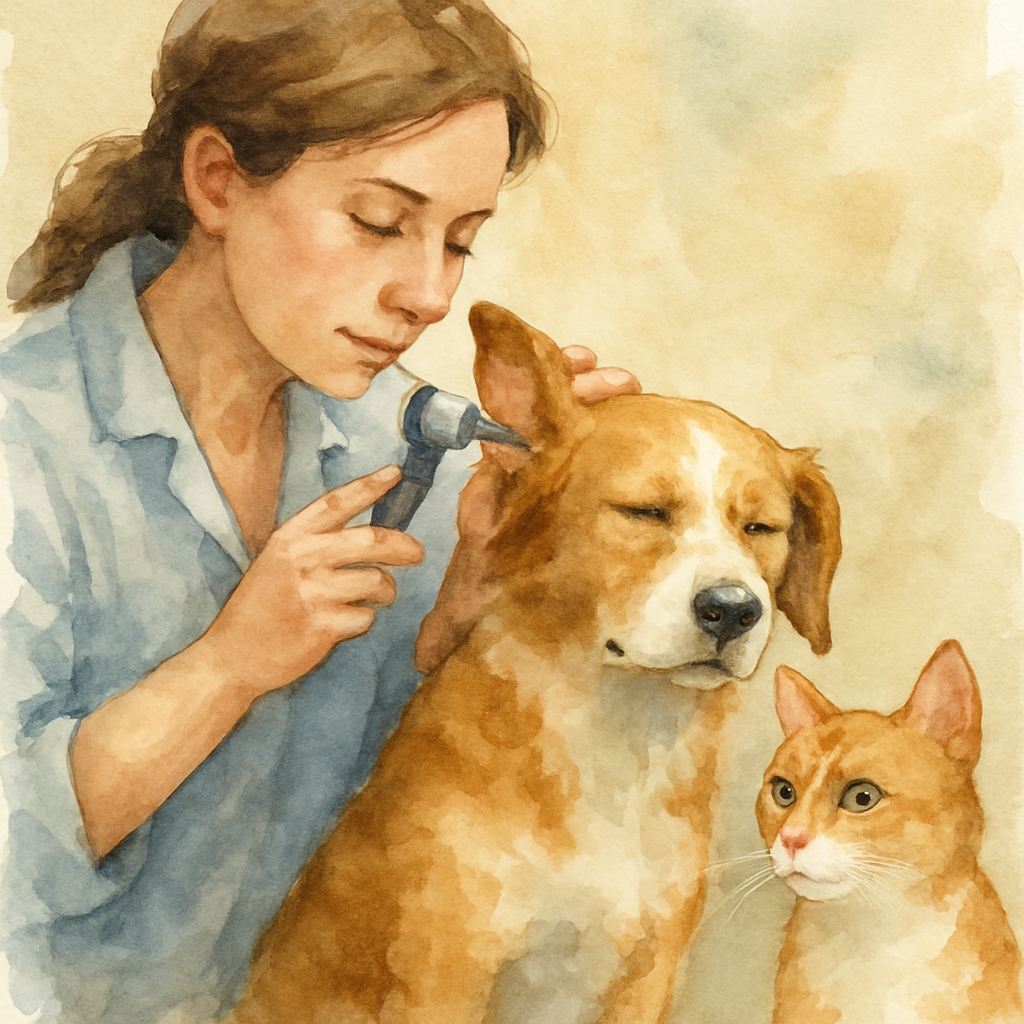
Ear infection therapy has two goals: clear the infection and address the underlying cause.
- Professional ear cleaning: Your vet may remove deep debris and discharge safely, sometimes under sedation.
- Topical medication: Prescription ear drops or ointments that combine an antibiotic, antifungal, and anti-inflammatory agent. Applied 1–2 times daily for 1–2 weeks or as directed.
- Systemic medication: Oral antibiotics, antifungals, or anti-inflammatories for severe, deep, or chronic infections.
- Parasiticides: If ear mites are present, your vet will prescribe a miticide and may treat all exposed pets.
- Allergy management: Flea control, diet trials for food allergies, or medications/immunotherapy for environmental allergies can reduce recurrences.
- Pain control: Analgesics or anti-inflammatories to keep your pet comfortable.
- Surgery: For end-stage ear disease, chronic polyps, or masses, procedures like total ear canal ablation (TECA) or bulla osteotomy may be recommended.
Rechecks are essential. Your vet may want to re-examine the ear in 7–14 days to confirm healing and adjust treatment, especially before stopping medication.
Safe Home Care: What To Do (and What Not To Do)
How to Clean a Pet’s Ears Safely
- Warm the cleaner slightly in your hands to make it more comfortable.
- Fill the ear canal with a vet-recommended cleaner (do not use oils, vinegar, hydrogen peroxide, or alcohol).
- Massage the base of the ear for 20–30 seconds. You should hear a squishing sound.
- Let your pet shake to bring debris up and out.
- Wipe the outer ear and accessible canal entrance with soft cotton or gauze. Stop if your pet seems painful.
Ask your vet which cleaner suits your pet—some are drying (post-swim), others are cerumenolytic (wax-dissolving), and some have antimicrobial properties.
Things to Avoid
- No cotton swabs deep in the ear canal—they push debris deeper and risk injury.
- No human ear drops—they may contain harmful ingredients or the wrong antibiotics.
- No home remedies like vinegar or peroxide; they can sting inflamed tissue and delay healing.
- Don’t stop meds early even if the ear looks better; incomplete treatment can cause relapse.
Prevention Tips to Reduce Recurrence
- Routine ear checks: Look weekly for redness, odor, debris, or excess moisture—especially after baths or swimming.
- Targeted cleaning: Clean ears only as directed by your vet. Overcleaning can irritate the canal. Use a drying solution after water exposure.
- Manage allergies: Work with your vet on flea control, diet trials, and environmental allergy plans to reduce ear inflammation triggers.
- Parasite prevention: Keep all pets on regular, vet-recommended preventives that cover mites and fleas when appropriate.
- Grooming: Keep ear hair tidy if advised by your vet. Routine plucking is not universally recommended; unnecessary plucking can inflame the canal.
- Dry thoroughly: After swimming or baths, gently dry the ear flaps and use a vet-approved drying cleaner if recommended.
- Nutrition and skin health: High-quality diet, omega-3 fatty acids, and maintaining healthy skin help the ear canal maintain normal defenses.
When to Take Your Pet to the Vet
Seek veterinary care promptly if you notice any of the following:
- Severe pain, marked redness/swelling, or a very foul odor.
- Head tilt, stumbling, or rapid eye movements—possible inner ear involvement.
- Bleeding or thick pus-like discharge from the ear.
- Hearing changes or sudden startle responses.
- Recurrent infections (two or more episodes in a year) or symptoms that don’t improve within 48–72 hours of starting treatment.
- Lethargy in dogs and cats, fever, loss of appetite, or marked behavior changes.
- Additional signs that point to broader illness, such as:
- Eye discharge in dogs and cats or sneezing—could indicate a respiratory infection in pets, especially in cats.
- Dog vomiting causes or cat diarrhea causes such as diet change, parasites, toxins, or systemic disease—get evaluated when paired with ear symptoms.
- Weight loss in pets causes (chronic disease, poor appetite, metabolic issues) alongside ear problems may suggest an underlying condition.
If in doubt, call your veterinarian. Early guidance often prevents complications and reduces discomfort.
Potential Complications If Left Untreated
- Chronic changes to the ear canal (thickening, narrowing) that make future infections more likely.
- Ruptured eardrum with spread to the middle or inner ear.
- Facial nerve paralysis or Horner’s syndrome (rare but possible with middle/inner ear involvement).
- Hearing loss or persistent balance problems.
- Spread of infection to adjacent tissues and increased pain and costs.
Five-Minute At-Home Ear Check
Use this quick routine weekly, or more often for high-risk pets:
- Look: Gently lift the ear flap. Is the skin pink or inflamed? Any discharge or foreign debris?
- Smell: A sour or yeasty odor suggests infection.
- Touch: Is the ear warm or painful to the touch? Any thickening of the canal entrance?
- Observe behavior: Head shaking, scratching, or rubbing are warning signs.
- Act early: If you notice changes, schedule a vet visit; if you only see minor wax and no redness, perform a gentle clean with your vet-recommended solution.
Special Considerations
Puppies and Kittens
- Kittens commonly have ear mites—highly itchy with dark, crumbly debris. They’re contagious to other pets; your vet can treat quickly.
- Young pets can also get foreign bodies during play. Sudden head shaking after outdoor time warrants a check.
Senior Pets
- Chronic ear disease may signal allergies or endocrine conditions like hypothyroidism or Cushing’s in dogs.
- Any new balance issues or head tilt in an older pet should be seen promptly to rule out inner ear disease and other neurologic causes.
Multi-Pet Households
- If one pet has ear mites or contagious parasites, your vet may recommend treating all in-contact animals and deep-cleaning shared spaces.
Related Symptoms and What They Might Mean
Because the ear canal is lined with skin, ear infections often overlap with broader skin and systemic issues. Keeping an eye on other signs can help your vet find the root cause.
Itching and Scratching Causes in Pets
- Allergies (environmental, food, flea saliva): Often present with red paws, face rubbing, and recurrent ear problems.
- Parasites (fleas, mites): Flea allergy dermatitis commonly flares ears.
- Skin infections (bacterial/yeast): May coexist with ear disease.
Gastrointestinal Signs
- Dog vomiting causes and cat diarrhea causes include diet changes, dietary indiscretion, parasites, infections, and metabolic disease. When GI signs occur with ear infections, allergies or systemic disease may be in play—see your vet.
Respiratory and Ocular Signs
- Eye discharge in dogs and cats, sneezing, and nasal discharge can point to respiratory infection in pets or allergies. These are a cue to broaden diagnostics beyond the ear.
Systemic Changes
- Lethargy in dogs and cats, fever, and weight loss in pets suggest deeper illness and warrant prompt evaluation.
FAQ
Are ear infections contagious between pets?
Bacterial and yeast ear infections are typically not contagious. Ear mites, however, are contagious—especially among cats and in shelters or multi-pet homes. Treat exposed pets as your vet recommends.
How long does treatment take?
Most uncomplicated infections improve within 3–5 days and resolve in 1–2 weeks with proper therapy. Deeper or chronic infections can take several weeks and require rechecks.
Can I use human ear drops or home remedies?
No. Human products and DIY remedies can be irritating or unsafe and may mask symptoms without addressing the cause. Use only vet-prescribed medications and cleaners.
Do swimmers need special ear care?
Yes. After water exposure, dry the ear flaps and use a vet-recommended drying ear cleaner if advised. Avoid routine deep cleaning unless directed by your vet.
Why do ear infections keep coming back?
There’s often an underlying trigger—commonly allergies, mites, or anatomy. Without addressing the root cause, infections can recur. Ask your vet about allergy testing, diet trials, or imaging if infections are frequent.
Will an ear infection cause balance issues?
Outer ear infections rarely affect balance, but middle/inner ear disease can. Head tilt, stumbling, or rapid eye movements require urgent veterinary care.
Should ear hair be plucked?
Only if your veterinarian recommends it. Routine plucking can irritate canals in some pets. Clipping around the ear opening or gentle trimming may be a better option.
Bottom Line
Ear infections in dogs and cats are painful but highly treatable. Early recognition of pet illness symptoms—like itching, head shaking, redness, odor, and discharge—plus prompt veterinary care can prevent chronic problems and protect hearing. Combine appropriate treatment with prevention strategies (allergy management, parasite control, water-drying routines, and regular ear checks) to keep your pet comfortable and well.
Caution: If your pet shows severe pain, balance problems, heavy discharge, or persistent lethargy, or if you’re unsure what to do, contact your veterinarian or an emergency clinic right away.