
Itching and Scratching in Pets: How to Identify the Most Common Causes
Persistent itch is one of the most frequent reasons dogs and cats see the vet—and it often overlaps with other common pet illnesses. This problem-solution guide explains the top itching and scratching causes in pets, how to triage at home, what your veterinarian may check, and practical steps to prevent future flare-ups.
At-a-Glance: Is Your Pet’s Itch “Normal” or a Warning Sign?
- Occasional scratching after play or baths is common.
- Concerning: daily or disruptive scratching, chewing/licking paws, hair loss, red or smelly skin, scabs, recurrent ear issues, restlessness at night, or any bleeding.
- Urgent: facial swelling or hives, open wounds or rapidly spreading “hot spots,” ear hematoma (sudden ear swelling), severe lethargy, fever, difficulty breathing, or if your pet seems painful.
Caution: If your pet shows urgent or serious signs, contact your veterinarian or an emergency clinic right away.
The Most Common Causes of Itching and Scratching in Pets
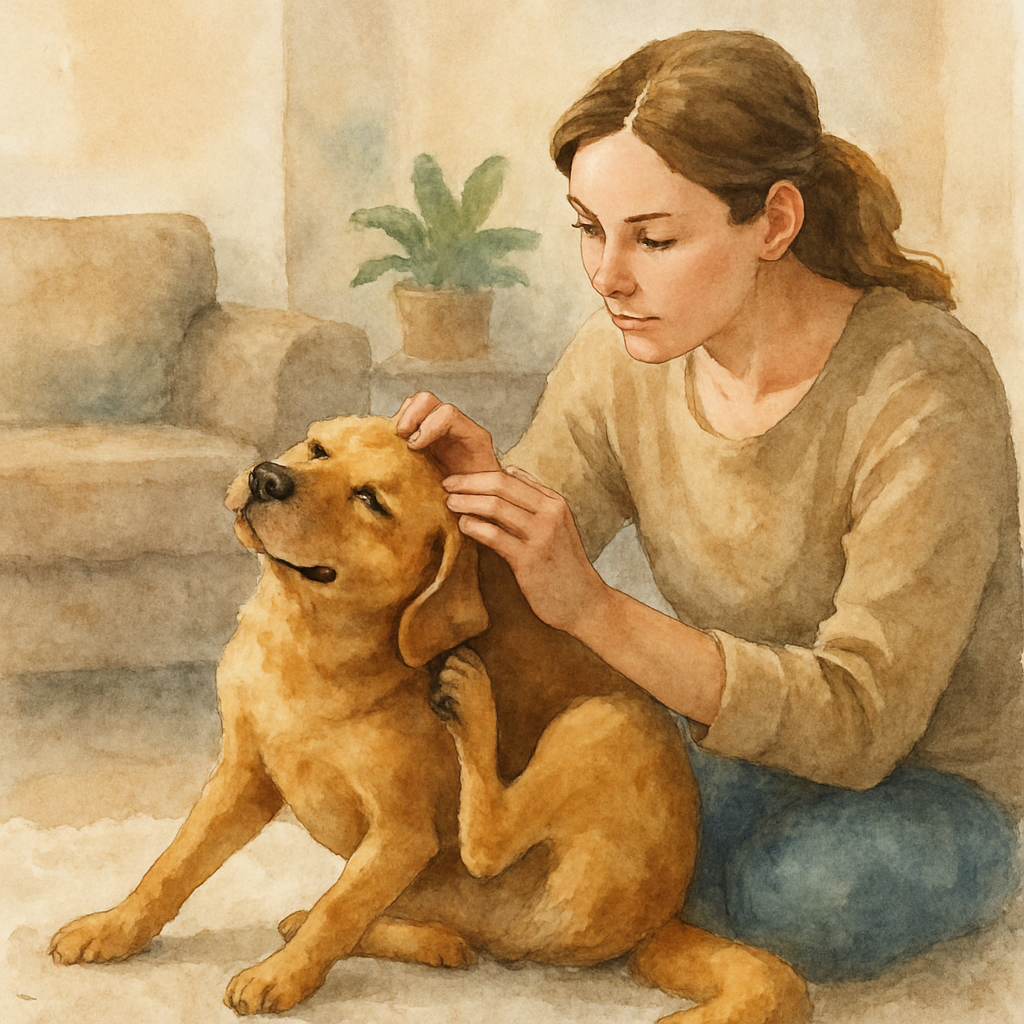
1) Fleas and Flea Allergy Dermatitis (FAD)
What you’ll see: Intense rump and tail-base scratching, sudden hair loss or scabs over the lower back and thighs, “flea
Simple home check: Use a flea comb over the lower back and hindquarters. Tap debris on a moist white towel—if it streaks rusty red, that’s digested blood (flea dirt).
Solution path: Begin vet-recommended flea control for all pets in the home, treat the environment (vacuum, wash bedding hot weekly for 3–4 weeks), and continue prescription preventives monthly or as directed. A short course of anti-itch therapy may be needed for comfort and to stop the itch–scratch cycle.
2) Mites (Sarcoptic Mange, Demodex) and Other External Parasites
What you’ll see: Sudden, severe itch (sarcoptic mange), crusting on ear margins, elbows, chest; patchy hair loss (demodex), or ear scratching and head shaking with ear mites. Some mites are contagious to other pets and occasionally to people (temporary itchy rash).
Parasites in pets symptoms: Restless itching, scabs, dandruff-like flakes, visible ear debris, and sometimes weight loss from discomfort.
Solution path: Prescription parasite treatments (often in the isoxazoline class) reliably clear mites; your vet may perform skin scrapings or ear cytology to confirm. Treat all in-contact pets as directed.
3) Ticks and Lice
What you’ll see: Ticks attached to skin; localized irritation or a small lump at the bite site. Lice are less common and usually cause a dry, itchy coat with nits attached to hair shafts.
Solution path: Safe tick removal with a tick tool, then consistent tick prevention. Ask your vet for region-specific products and Lyme risk guidance.
4) Environmental Allergies (Atopy)
What you’ll see: Seasonal or year-round itch, paw licking/chewing, face rubbing, recurrent ear infections, belly or armpit redness. Triggers include pollens, molds, house dust mites.
Solution path: Multi-pronged plan: strict flea control (flea bites worsen atopy), medicated baths or wipes, topical ear care, itch-control medications, and—when appropriate—allergy testing with immunotherapy. Wiping paws after walks can reduce pollen load.
5) Food Allergy or Adverse Food Reaction
What you’ll see: Non-seasonal itch, recurrent ear or skin infections, and sometimes soft stools. Often unresponsive to standard allergy meds alone.
Solution path: An 8–12 week veterinary-directed elimination diet using a novel protein or hydrolyzed prescription diet. No treats, flavored meds, or table scraps during the trial.
6) Skin Infections (Bacterial or Yeast)
Common pet infection signs: Red, moist, or greasy skin; odor; pustules; “elephant” skin thickening; dark staining on paws from chronic licking. Often secondary to allergies or parasites.
Solution path: Vet exam with skin cytology (swab or tape prep). Targeted topical therapy (medicated shampoos, sprays, wipes) and, when indicated, prescription antibiotics or antifungals. Continue treatment past visible improvement to avoid relapse.
7) Contact Irritants and Plants
What you’ll see: Rapid redness or small bumps where skin touches grass, cleaners, or scented products. Belly and paws commonly affected.
Solution path: Rinse off the suspected irritant, switch to pet-safe, fragrance-free cleaners, and use barrier balms on paws. Seek vet advice if lesions persist or worsen.
8) Dry Skin and Dehydration
What you’ll see: Dandruff, dull coat, mild itch; worse in winter or low humidity. Consider hydration status too.
Dehydration signs in pets: Tacky gums, sunken eyes, reduced skin elasticity, lethargy. Dehydration needs prompt veterinary attention, especially if paired with vomiting/diarrhea or heat exposure.
Solution path: Humidify indoor air, regular conditioning baths with vet-approved products, balanced diet with omega-3 fatty acids. Address any underlying illness causing fluid loss.
9) Ringworm (Dermatophytosis)
What you’ll see: Circular hair loss patches, crusts; may or may not be itchy. Contagious to other pets and people.
Solution path: Vet diagnosis (Wood’s lamp, fungal culture/PCR). Combination of topical therapy, systemic meds when needed, and careful environmental cleaning.
10) Hormonal and Metabolic Disease
What you’ll see: Skin and coat changes with minimal itch initially—thin hair coat, recurrent infections, “rat tail,” pot-bellied look (Cushing’s), or weight gain/cold intolerance (hypothyroidism). Diabetes can predispose to skin/ear infections.
Solution path: Bloodwork and endocrine testing through your vet; managing the underlying disease reduces secondary skin problems.
11) Pain, Behavioral, or Neuropathic Itch
What you’ll see: Licking a single spot (e.g., a joint or paw) due to pain, or overgrooming from stress/anxiety (common in cats). Neuropathic itch may follow injury.
Solution path: Rule out medical causes first. Then consider environmental enrichment, behavior strategies, pain control where appropriate, and vet-guided therapy.
Home Triage: A Step-by-Step Approach
- Document the pattern: When and where do they scratch? After walks? At night? Seasonally? Note diet, treats, new detergents, or yard chemicals.
- Inspect the skin: Part the fur along the back, belly, armpits, groin, and between toes. Look for redness, crusts, moist areas, fleas, flea dirt, or ticks.
- Check the ears: Any odor, redness, discharge, or head-shaking suggests an ear infection or mites.
- Comb test for fleas: Use a flea comb and the moist white towel “flea dirt” test.
- Clean and soothe: If mild, bathe with a gentle, fragrance-free, pet-safe shampoo. Rinse thoroughly and dry fully.
- Avoid irritants: Stop new sprays, perfumes, or harsh cleaners. Wipe paws after outdoor exposure.
- Do not use human meds or essential oils: Many are unsafe for pets. Never give over-the-counter human antihistamines or pain meds without veterinary guidance.
- Parasite control: If fleas or mites are suspected, start vet-recommended preventives for all pets in the home.
When to Take Your Pet to the Vet

If you are unsure, it’s always reasonable to call your clinic and ask. Seek veterinary care promptly for any of the following:
- Raw, bleeding, oozing, or rapidly expanding skin lesions (“hot spots”).
- Recurring ear infections, head shaking, or ear swelling.
- Scratching that disrupts sleep or daily activities despite home care.
- Lethargy in dogs and cats, fever, or visible pain.
- Loss of appetite in pets lasting more than 24 hours (sooner for small dogs, puppies, kittens, or any cat).
- Unintended weight change; ask about weight loss in pets causes if it develops alongside itch.
- Urinary problems in pets (straining, blood, accidents, frequent small urinations)—these are urgent, especially in male cats.
- Signs of a respiratory infection in pets (coughing, sneezing, nasal discharge, breathing effort) with systemic illness.
- Any suspicion of contagious issues (mange, ringworm) in multi-pet or household with children/immunocompromised people.
What Your Veterinarian May Do
- Skin assessment: Distribution of lesions helps narrow causes (e.g., tail base = fleas; paws/face = allergies).
- Flea combing and wood’s lamp exam.
- Skin cytology: Tape prep or swab to identify bacteria/yeast and guide treatment.
- Skin scrapings and hair plucks: To look for mites or dermatophytes.
- Fungal culture or PCR: For ringworm confirmation.
- Ear cytology: To target yeast/bacteria in otitis.
- Fecal exam: Some parasites cause skin signs or concurrent GI symptoms.
- Bloodwork and endocrine testing: If hormonal or systemic disease is suspected.
- Diet trial guidance: For suspected food allergy.
- Therapeutic plan: Relief of itch plus cause-specific therapy (and a recheck to confirm control).
Treatment Options by Cause (Overview)
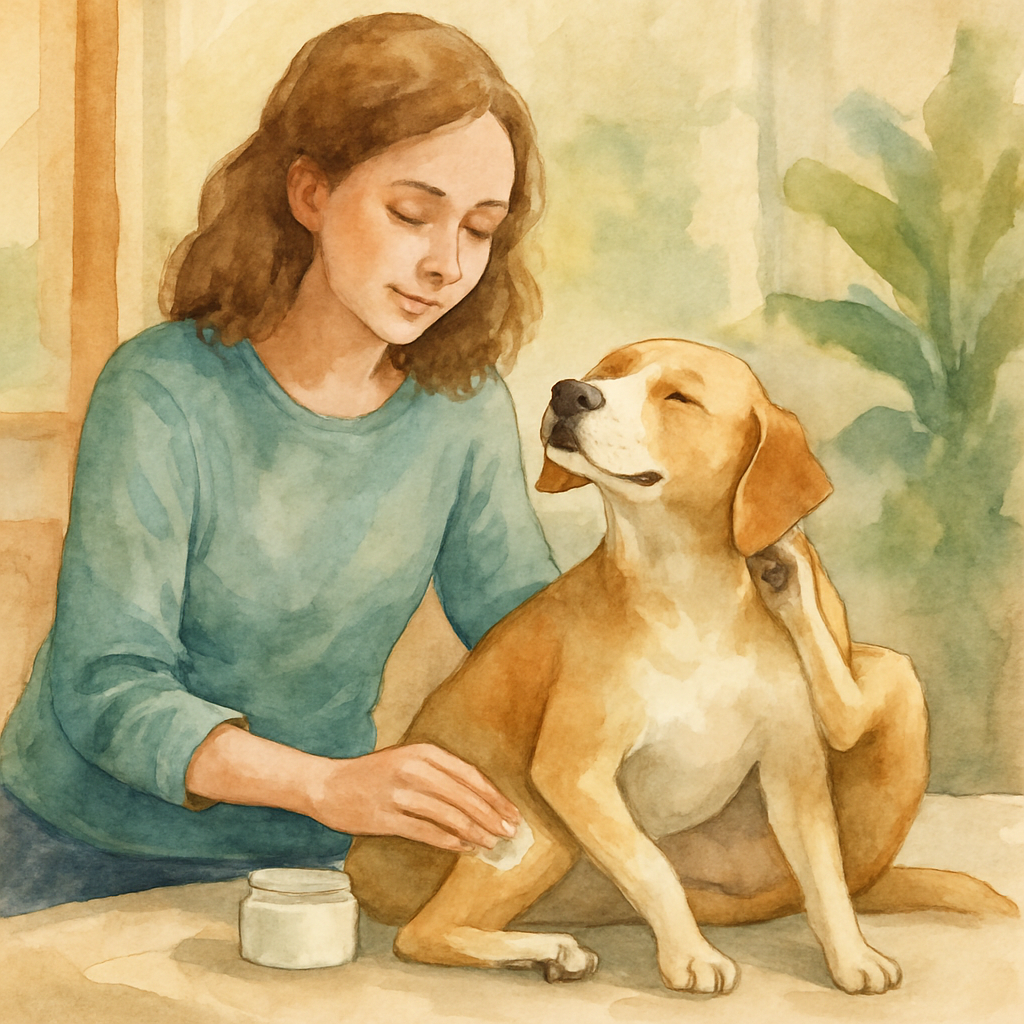
- Fleas and ticks: Modern prescription preventives (topical or oral), treat all pets, and environmental control (vacuum, hot-wash bedding, flea-control for the home when recommended).
- Mites: Vet-prescribed acaricides are highly effective; rechecks may be needed to confirm clearance.
- Skin infections: Targeted topicals (medicated shampoos/wipes) and, if needed, systemic antibiotics or antifungals based on cytology and culture guidelines. Continue full course.
- Environmental allergies: Itch-control meds, medicated baths, ear care, and sometimes immunotherapy to retrain the immune system.
- Food allergy: Strict elimination diet followed by challenges to identify triggers; long-term feeding plan to maintain control.
- Contact dermatitis: Remove/avoid triggers, gentle cleansing, and topical therapy for flares.
- Ringworm: Topical antifungals plus systemic therapy when indicated; environmental decontamination is crucial.
- Hormonal disease: Treat the underlying condition to reduce secondary infections and coat problems.
- Pain/behavioral causes: Pain management, stress reduction, enrichment, and behavior plans after medical causes are excluded.
Important: Only use medications prescribed for your pet. Some human products and “natural” oils are toxic to dogs and cats.
Preventing Future Flare-Ups
- Year-round parasite prevention: Consistency is key; lapses can trigger big flares in allergic pets.
- Routine grooming: Regular brushing and scheduled baths with vet-recommended shampoos; rinse thoroughly.
- Paw hygiene: Wipe paws after outdoor exposure to remove pollens and road salts.
- Home environment: Vacuum frequently, wash pet bedding weekly in hot water, use fragrance-free cleaners and detergents.
- Nutrition: High-quality, complete diet; discuss omega-3 fatty acids for skin support with your vet.
- Weight management and exercise: Healthy weight supports skin and immune health.
- Regular vet checks: Early intervention prevents small issues from becoming complicated infections.
Related Symptoms You Shouldn’t Ignore
Itch can be one piece of a bigger health picture. Be alert to other common pet illnesses and their warning signs:
- Lethargy in dogs and cats: If your active pet suddenly becomes withdrawn or weak, that’s a red flag.
- Loss of appetite in pets: More than 24 hours of not eating needs veterinary input, especially for cats.
- Weight loss in pets causes: Chronic infections, parasites, endocrine disease, dental disease, cancer, or malabsorption. Weight loss alongside skin disease warrants a thorough exam.
- Urinary problems in pets: Straining, blood, frequent small urinations, or accidents are urgent—particularly in male cats, where blockage is life-threatening.
- Respiratory infection in pets: Coughing, nasal discharge, sneezing, or labored breathing require prompt assessment.
- Dehydration signs in pets: Tacky gums, sunken eyes, decreased skin turgor—seek immediate care.
Two Quick Real-World Scenarios
Case 1: The itchy tail base (dog)
A 2-year-old dog starts chewing near the tail and can’t sleep. Owner finds black specks that turn red on a wet towel—flea dirt. After starting a prescription flea preventive for all pets and hot-washing bedding weekly for a month, the dog’s itch resolves. A short anti-itch course prevents self-trauma.
Case 2: The face-rubbing cat
An indoor cat rubs her face and has recurrent ear debris. Flea comb is clean, but cytology shows yeast, and the pattern recurs year-round—suggestive of allergies. With regular ear care, paw wipes after balcony time, a hydrolyzed diet trial, and targeted itch therapy, flares become rare and mild.
Frequently Asked Questions
Can an indoor-only pet still get fleas?
Yes. Fleas can hitchhike on people or other animals and survive indoors. Consistent prevention is the best defense.
How can I tell if it’s parasites or allergies?
Parasites often cause sudden, intense itch (tail base for fleas; crusty ears/elbows for sarcoptic mange). Allergies commonly target paws, face, and ears and may be seasonal or persistent. Your vet can confirm with combing, skin scrapings, and cytology.
How long does a food trial take?
Most veterinary elimination diets require 8–12 weeks of strict feeding (no treats, flavored meds, or table scraps) before judging results.
Is human shampoo safe for pets?
No. Human products can disrupt the skin barrier and worsen itch. Use vet-recommended, pet-formulated shampoos and rinse thoroughly.
Are OTC antihistamines helpful?
They’re often less effective in pets and can be unsafe in some situations. Do not use any human medications without veterinary guidance.
Is my pet’s itch contagious to people?
Most allergic itch is not contagious. Some conditions (sarcoptic mange, ringworm) can spread. If circular hair loss patches, crusts, or intense sudden itch occur—or if people develop itchy bumps—see your vet promptly.
Bottom Line
Most itchy pets improve quickly with a clear plan: confirm or rule out parasites, treat any infection, and control underlying allergies or other conditions. Because skin disease overlaps with other common pet illnesses, pay attention to whole-body signs like appetite, weight, energy, urination, and breathing. When in doubt about when to take pet to vet, call—early help prevents complications and keeps your pet comfortable.
Urgent or serious concerns? Contact your veterinarian or an emergency clinic immediately, especially for rapidly worsening skin lesions, severe lethargy, breathing difficulty, urinary blockage signs, or dehydration.