
Poisoning Symptoms in Pets: How to Recognize a Medical Emergency Quickly
Category: Pet Health & Wellness — Common Pet Illnesses
Fast recognition of pet illness symptoms can save a life—especially when poisoning is possible. Many toxins act quickly, and early actions you take at home (and how soon you reach a veterinarian) can dramatically change the outcome. Use this symptom-based guide to spot red flags, decide when to take your pet to the vet, and understand what different signs may mean, from poisoning to parasites or ear infections.
Urgent caution: If your pet may have eaten, inhaled, or absorbed a toxin; is collapsing; seizing; bleeding; or breathing poorly, contact an emergency veterinarian or a pet poison helpline immediately. When in doubt, call a vet.
Why Acting Fast Matters With Suspected Poisoning
Many poisons are absorbed into the bloodstream within minutes to a couple of hours. Some (like certain rat baits, antifreeze, and xylitol) can cause irreversible damage quickly. Rapid response improves the chances of decontamination (such as safely inducing vomiting under veterinary guidance or administering activated charcoal at the clinic) and reduces the dose absorbed.
- Time window: The first 30–90 minutes after ingestion are often critical.
- Hidden exposures: Pets may lick toxins off paws or fur, chew
Quick Home Triage: A 60-Second Check

Before you call, gather key details and assess vital signs. This helps a veterinarian advise you quickly.
- What, when, and how much? Identify the substance, time of exposure, approximate amount, and your pet’s weight. Keep packaging or a photo of the label.
- Breathing: Count respirations for 15 seconds and multiply by 4. Normal at rest: dogs 10–30/min, cats 16–30/min. Labored, noisy, or very slow/fast breathing is an emergency.
- Heart rate: Feel the chest or inner thigh (femoral) pulse. Dogs: 60–120/min (small breeds/puppies often faster). Cats: 140–220/min. Very fast, very slow, or irregular can be dangerous.
- Gum color and refill: Pink and moist is normal. Pale, blue, gray, or bright red gums are urgent. Press and release gums; color should return in <2 seconds. Delays suggest shock or poor circulation.
- Temperature: Rectal temperature normal: dogs and cats 100–102.5°F (37.8–39.2°C). High fever or low body temp can occur with toxins or severe illness.
Red-Flag Poisoning Symptoms: When to Take Your Pet to the Vet Now
Any of the following with or without known exposure should be treated as an emergency:
- Collapse, severe weakness, disorientation, or inability to stand
- Seizures, tremors, twitching, or rigid muscles
- Profuse drooling or foaming, pawing at the mouth, oral burns
- Sudden vomiting or diarrhea, especially with blood or black/tarry stool
- Labored, fast, or noisy breathing; persistent coughing; blue or very pale gums
- Abnormal bleeding or bruising, nosebleeds, blood in urine or stool (rodenticide concern)
- Extreme thirst and urination, or sudden inability to urinate (antifreeze and other toxins)
- Irregular or very fast heart rate, fainting
- Severe agitation, hyperactivity, or extreme lethargy
- Exposure to known toxins (xylitol, antifreeze, rodenticide, heavy metals, some plants, human meds) even if no signs yet
Do not: induce vomiting, give milk, or administer home remedies unless a veterinarian or poison expert instructs you. Some substances (corrosives, hydrocarbons) cause more damage if vomited.
Common Toxins and Their Typical Timelines
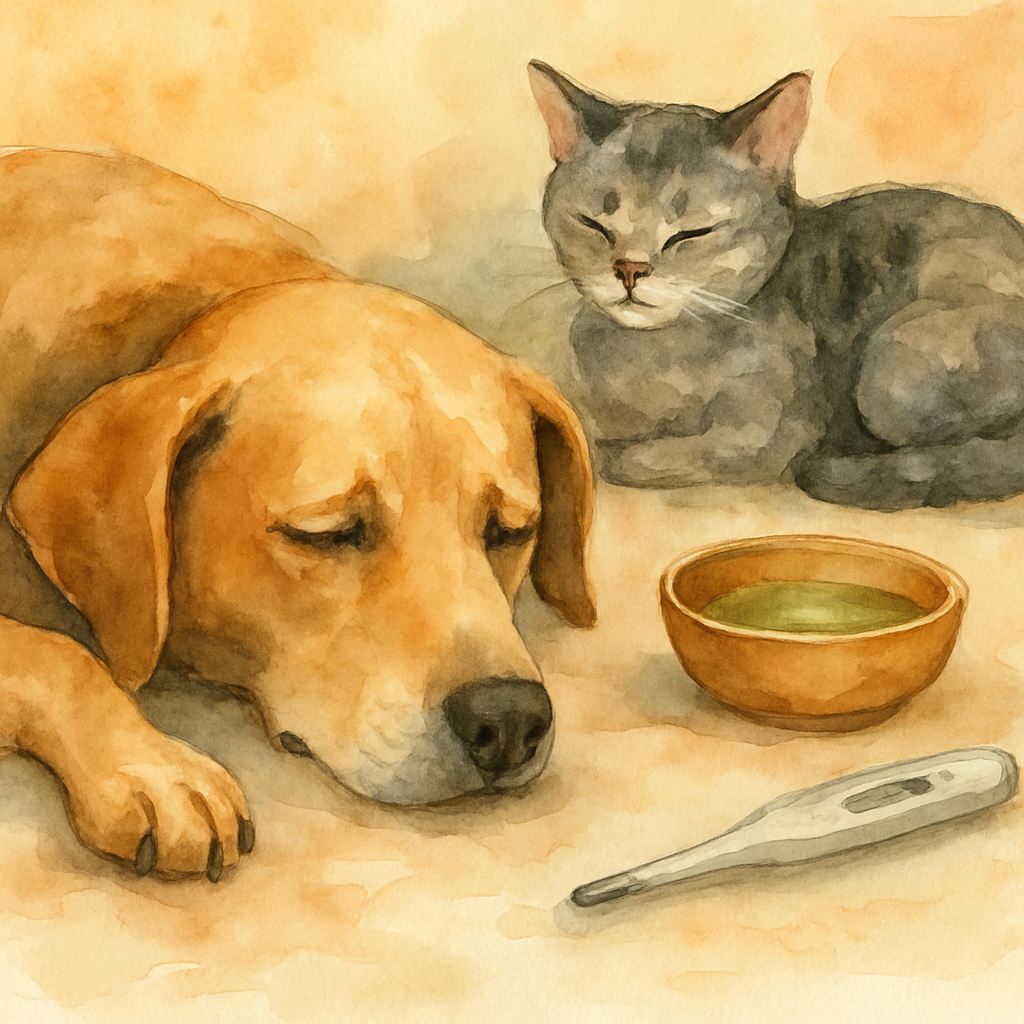
- Xylitol (sugar-free gum/candy, some peanut butters): within 15–60 minutes—vomiting, weakness, tremors, low blood sugar; later—liver failure.
- Antifreeze (ethylene glycol): within hours—staggering, vomiting, increased thirst/urination; 12–24 hours—kidney failure.
- Rodenticides: anticoagulants (delayed bleeding 2–5 days); bromethalin (neurologic signs hours to days); cholecalciferol (high calcium, kidney failure within 1–3 days).
- Human medications: NSAIDs, acetaminophen, antidepressants, ADHD meds can cause GI bleeding, liver injury, agitation, tremors, or seizures.
- Chocolate/caffeine: restlessness, vomiting/diarrhea, increased heart rate, tremors, seizures in 6–12 hours.
- Grapes/raisins: vomiting within hours, possible kidney failure in 24–72 hours.
- Onions/garlic (including powders): GI upset, then red blood cell damage and anemia 2–5 days later.
- Toxic plants: lilies (cats—kidney failure), sago palm (liver failure), oleander (heart arrhythmias). Often vomiting first, followed by organ-specific signs.
- Pesticides/insecticides: drooling, twitching, weakness, vomiting; topical permethrin is highly toxic to cats.
Immediate Steps If You Suspect Poisoning
- Secure your pet and remove exposure. Move your pet away from the source; prevent other pets from exposure. If on skin or fur, wear gloves and rinse with lukewarm water and pet-safe shampoo.
- Call a veterinarian or a pet poison helpline right away. Provide the product name, active ingredients, time and amount ingested, and your pet’s weight and health status.
- Do not induce vomiting unless a professional specifically tells you to and gives dosing instructions. Never give salt or hydrogen peroxide to cats; hydrogen peroxide can cause complications in dogs if misused.
- Save evidence. Keep packaging, plant samples, or photos. Bring them to the clinic.
- Transport safely. Keep your pet warm and calm. If seizing, protect from falls; do not put hands in the mouth.
Pet Illness Symptoms That Can Mimic Poisoning
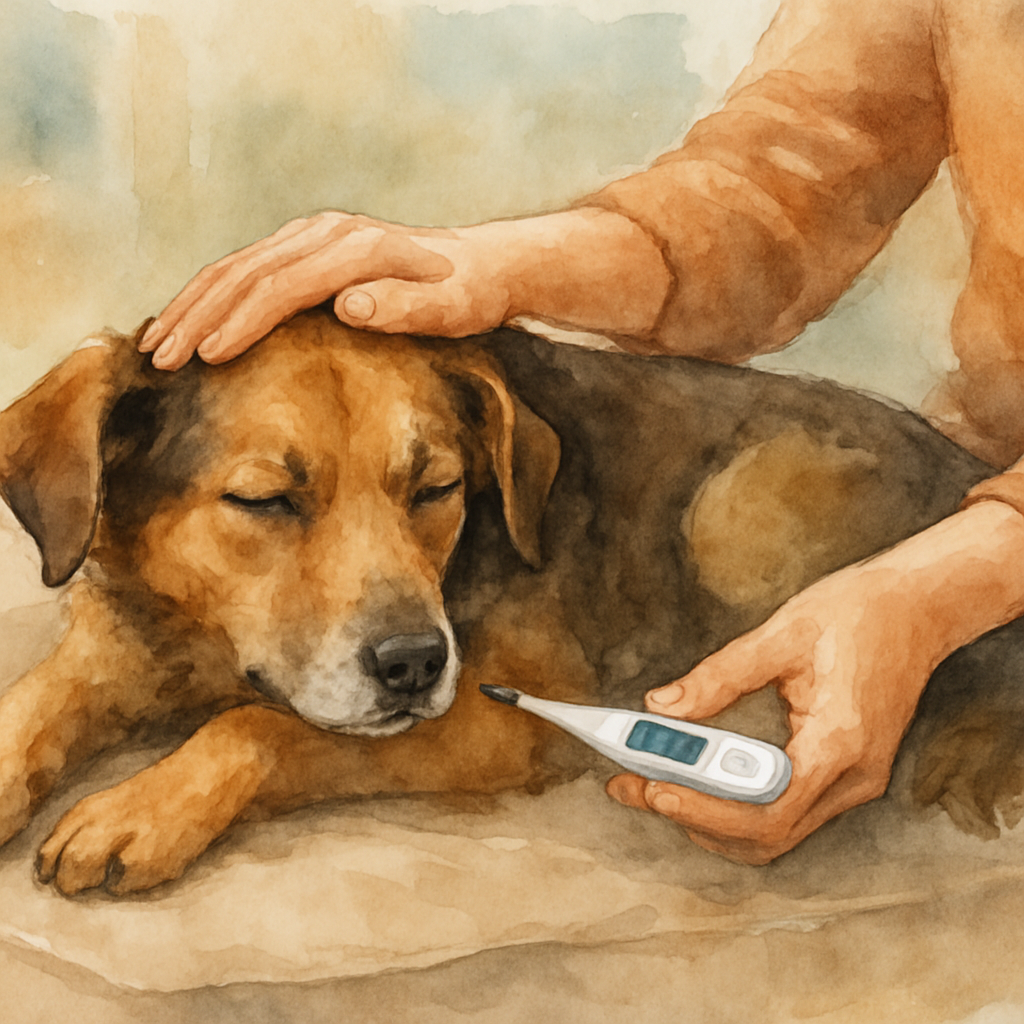
Not all sudden illness is toxic exposure. Understanding common pet illness symptoms helps you act appropriately and prevents dangerous delays.
Pet Fever Symptoms
Fever is a common response to infection or inflammation. Signs include warm ears/paws, shivering, lethargy, reduced appetite, and a rectal temperature over 102.5°F (39.2°C).
- Possible causes: respiratory infection in pets (viral/bacterial), tick-borne disease, abscesses, pancreatitis, immune disorders, some toxins (particularly those causing inflammation).
- What to do: Confirm with a thermometer; avoid human fever reducers (dangerous to pets). Seek veterinary care if fever is high (≥104°F/40°C), persistent (>24 hours), or accompanied by vomiting, trouble breathing, or neurologic signs.
Vomiting, Diarrhea, and Dehydration Signs in Pets
GI upset is common and ranges from dietary indiscretion to serious disease or poisoning.
- Dehydration signs in pets: tacky gums, sunken eyes, reduced skin elasticity, lethargy, fast heart rate. Cats may hide; dogs may appear weak.
- Concerning features: blood in stool or vomit, black/tarry stool, severe abdominal pain, bloat, repeated vomiting, foreign object ingestion, or exposure to toxins.
- What to do: Withhold food 8–12 hours if mild, then offer small bland meals. Ensure water is available. Small puppies/kittens or any pet with concerning features should be seen promptly. Persistent vomiting/diarrhea risks life-threatening dehydration.
Loss of Appetite in Pets and Weight Loss in Pets: Causes to Consider
Skipping a single meal may be normal; sustained loss of appetite in pets or visible weight loss warrants attention.
- Acute anorexia: stress, pain, fever, nausea, poisoning, pancreatitis, GI obstruction, severe dental disease.
- Weight loss in pets causes (chronic): parasites, inflammatory bowel disease, food allergies, diabetes, hyperthyroidism (cats), kidney or liver disease, cancer, dental pain, malabsorption, chronic infections.
- What to do: See a vet if your pet misses more than 24 hours of meals (sooner in small breeds, kittens, and cats). In cats, prolonged anorexia can cause hepatic lipidosis (fatty liver), an emergency.
Urinary Problems in Pets
Straining, blood in urine, frequent urination, house soiling, or painful urination can signal infection, stones, crystals, inflammation, or toxin-related kidney injury.
- Emergency: A male cat that cannot pass urine is a true emergency (risk of bladder rupture and fatal electrolyte imbalances). Signs include repeated trips to the litter box, crying, and only a few drops or none coming out.
- Other concerns: increased thirst and urination (diabetes, kidney disease, Cushing’s), strong urine odor, or dark/brown urine (possible muscle damage or hemolysis).
- What to do: Seek prompt veterinary care. Bring a fresh urine sample if possible.
Respiratory Infection in Pets
Coughing, sneezing, nasal discharge, and exercise intolerance are common. Some infections are mild; others progress quickly.
- Dogs: kennel cough complex, pneumonia, heart disease causing cough, foreign bodies, smoke inhalation.
- Cats: viral upper respiratory infections (herpesvirus/calici), asthma, heart disease, inhaled irritants, pneumonia.
- Emergency signs: open-mouth breathing in cats, blue/pale gums, rapid/labored breathing at rest, or collapse.
Ear Infection Symptoms in Pets
Ear disease is extremely common and can be painful.
- Symptoms: head shaking, scratching, redness, odor, dark or pus-like discharge, sensitivity when ears are touched, tilting head.
- Causes: yeast or bacterial infection, ear mites (especially in kittens/puppies), allergies, foreign bodies, water trapped after baths, polyps or masses.
- What to do: Have a vet examine and cytology the ear discharge to choose the right medication; never put peroxide or alcohol in ears. Severe inner ear infections can cause balance problems and nystagmus.
Itching and Scratching: Common Causes in Pets
Itching may be mild or intense and can resemble restlessness or anxiety.
- Itching and scratching causes in pets: fleas and flea allergy dermatitis, mites (mange), food or environmental allergies, bacterial/yeast skin infections, contact irritants, ringworm (a fungus), hot spots.
- Skin signs that suggest urgency: hives, facial swelling (possible allergic reaction), rapidly spreading redness, oozing lesions, or severe self-trauma.
- What to do: Use year-round flea control, bathe with vet-recommended products, and see a vet for persistent or severe itch to prevent infections and determine the trigger.
Parasites in Pets: Symptoms You’ll Recognize
Internal and external parasites can cause a range of signs that overlap with other illnesses.
- External parasites: fleas (itching, flea dirt, hair loss), ticks (visible ticks, fever, lameness), mites (ear crusts, intense itch), lice (rare; poor coat).
- Internal parasites: roundworms, hookworms, whipworms, tapeworms, giardia, coccidia.
- Parasites in pets symptoms: pot-bellied appearance, diarrhea (sometimes bloody), weight loss, vomiting, dull coat, scooting, visible rice-like tapeworm segments near the tail, coughing (lungworm/larval migration).
- What to do: Fecal testing and targeted dewormers from a veterinarian are safest. Many over-the-counter products are incomplete or ineffective.
Neurologic Signs: Seizures, Tremors, Disorientation
Neurologic problems can be due to epilepsy, metabolic disease (liver shunts, low blood sugar), brain disease, or toxins (chocolate, metaldehyde slug bait, tremorgenic molds, marijuana, human meds).
- Emergency: repeated seizures, a single seizure lasting longer than 3–5 minutes, or failing to return to normal between events.
- What to do: Protect your pet from injury, darken the room, avoid the mouth, and seek immediate veterinary help. If toxin exposure is possible, bring packaging.
How to Tell Poisoning From Other Pet Illness Symptoms
Poisoning is more likely when:
- Onset is very sudden after possible access to trash, medications, chemicals, plants, or unfamiliar foods.
- There are multiple systems involved at once (e.g., vomiting plus tremors or bleeding).
- Signs are progressing rapidly over minutes to hours.
- More than one pet is affected after sharing an exposure.
Illness is more likely when:
- Signs build gradually over days to weeks (e.g., weight loss, intermittent vomiting/diarrhea, chronic cough).
- There is a history of known disease (e.g., kidney disease, allergies) that explains the pattern.
When to Take Your Pet to the Vet: A Simple Decision Guide
- Go now (emergency): suspected toxin exposure; collapse; seizures or tremors; severe breathing problems; pale/blue gums; uncontrolled vomiting/diarrhea; blood in vomit/stool/urine; inability to urinate; severe pain; heatstroke; known ingestion of xylitol, antifreeze, rodenticide, or human meds.
- Same day appointment: fever with lethargy, persistent loss of appetite in pets (>24 hours, sooner for cats), signs of urinary problems in pets without complete blockage, worsening cough, ear infection symptoms in pets with pain, moderate diarrhea without blood, possible parasites in pets symptoms.
- Monitor 24 hours (call if unsure): mild, one-time vomiting or soft stool, minor itch without skin damage, mild sneeze/cough with normal breathing and appetite.
What Your Veterinarian May Do for Suspected Poisoning
- Stabilization: oxygen, IV fluids, temperature control, seizure control, heart rhythm monitoring.
- Decontamination: induced vomiting (timing and substance dependent), activated charcoal, skin/eye irrigation.
- Antidotes: vitamin K1 (anticoagulant rodenticide), fomepizole or ethanol (antifreeze), N-acetylcysteine (acetaminophen), intralipid therapy (some fat-soluble toxins), others as indicated.
- Diagnostics: bloodwork (liver/kidney values, electrolytes, glucose), urinalysis, X-rays/ultrasound, clotting tests, ECG.
- Supportive care: anti-nausea meds, GI protectants, pain control, antibiotics if indicated, temperature regulation, nutritional support.
Prevention: Pet-Proofing Checklist
- Store medications, vitamins, and supplements high and latched; never leave pills in bags or purses.
- Avoid xylitol in household foods and check peanut butter labels before sharing with dogs.
- Keep rodenticides, pesticides, and automotive fluids in locked cabinets; clean spills immediately.
- Choose pet-safe plants; keep lilies out of homes with cats.
- Use only veterinarian-approved flea/tick products and the correct species-specific product (never use dog permethrin products on cats).
- Secure trash and compost; prevent access to coffee grounds, alcohol, grapes/raisins, onions/garlic, and chocolate.
- Leash or supervise outdoors to avoid mushrooms, toxins, and contaminated water.
- Maintain year-round parasite prevention to reduce disease transmission.
Symptom Quick Reference
- Sudden vomiting + tremors/seizures: high suspicion for toxin (chocolate, xylitol, meds, pesticides). Emergency.
- Bloody stool/vomit or unexplained bruising: possible rodenticide or severe GI disease. Emergency.
- Straining/no urine in a male cat: urinary blockage. Emergency.
- Fever + cough or fast breathing: respiratory infection in pets or pneumonia; seek care.
- Head shaking + ear odor/discharge: ear infection symptoms in pets; schedule prompt exam.
- Itching with hair loss or flea dirt: likely parasites; start flea control and see vet.
- Persistent loss of appetite in pets + weight loss: internal disease, parasites, dental disease; vet visit needed.
What to Bring to the Clinic
- Product packaging, ingredient lists, or plant pieces/photos
- Estimate of amount ingested and the time of exposure
- Your pet’s medications and supplements
- Recent photos or videos of symptoms (e.g., seizure activity, breathing patterns)
- A fresh stool or urine sample if urinary problems in pets or parasites in pets symptoms are suspected
Special Notes for Dogs vs. Cats
- Dogs: More likely to eat non-food items and larger quantities, increasing toxin risk. Small breeds and puppies can decline faster due to size and low reserves.
- Cats: Extremely sensitive to many substances (acetaminophen, permethrin, essential oils, lilies). Even small exposures can be fatal. Cats often hide illness, so subtle pet illness symptoms matter (hiding, decreased grooming, smaller meals, reduced play).
Frequently Asked Questions
How do I know when to take my pet to the vet for a possible poisoning?
If you suspect exposure to any toxin or your pet shows red-flag signs (collapse, seizures, trouble breathing, repeated vomiting/diarrhea, bleeding, severe lethargy), go immediately. If you have the packaging or a plant ID, bring it. When in doubt, call a vet or a poison helpline for guidance.
Can I induce vomiting at home?
Only if a veterinarian or poison expert instructs you after reviewing the substance, dose, and timing. Some materials are corrosive or high-risk for aspiration and should never be vomited. Do not give salt. Cats should not be given hydrogen peroxide.
What are the first pet fever symptoms I might notice?
Warm ears/paws, shivering, lethargy, and reduced appetite. Confirm with a rectal thermometer. Fever over 104°F (40°C) or fever accompanied by neurologic signs, vomiting, or breathing difficulty requires urgent care.
Could parasites be causing my pet’s weight loss or GI upset?
Yes. Parasites in pets symptoms include diarrhea, vomiting, pot-bellied appearance, scooting, and visible worm segments. Weight loss in pets causes often include intestinal parasites. A fecal test and targeted deworming are key.
Are ear infection symptoms in pets an emergency?
Ear infections are usually urgent but not always emergent. Severe pain, head tilt, loss of balance, or neurologic signs are more urgent. Early treatment prevents chronic issues.
How can I check for dehydration signs in pets at home?
Feel for tacky/dry gums, check skin tenting over the shoulder blades, and monitor energy and appetite. These are rough guides; a vet can confirm and treat dehydration safely, often with fluids.
My indoor cat can’t be poisoned, right?
Indoor cats are still at risk from houseplants (lilies), essential oils, human meds dropped on the floor, rodenticide brought in on shoes, and topical dog flea products. Assume risk if any exposure is possible.
Key Takeaways
- Sudden, severe, or multi-system signs point to toxins; act quickly.
- Know the hallmark pet illness symptoms: fever, vomiting/diarrhea, urinary problems in pets, respiratory distress, ear issues, skin itch, appetite/weight changes.
- When in doubt about when to take your pet to the vet, err on the side of caution and call.
- Prevention and rapid response save lives; keep toxic items secured and have your vet’s number handy.
Medical and safety note: This guide is educational and not a substitute for professional veterinary care. If you suspect poisoning or your pet shows serious or rapidly worsening signs, contact a veterinarian or emergency clinic immediately.
Tags: pet illness symptoms, pet health, common pet illnesses, dog health, cat health, sick pet signs, pet care tips, vet warning signs, pet wellness, dog and cat care