Most Common Pet Illnesses by Age: What Changes From Young to Senior Pets
This practical, problem–solution guide walks you through the most common pet illnesses at each life stage, how symptoms change from puppy/kitten to senior pets, and exactly when to take your pet to the vet. You’ll also find an at‑a‑glance pet illness symptoms guide, common pet infection signs, and clear steps to prevent problems before they start.
Caution: If your pet has trouble breathing, collapse, repeated vomiting, bloated abdomen, seizures, severe pain, inability to pass urine, bleeding, exposure to toxins, or a suspected broken bone, contact your veterinarian or an emergency clinic immediately.
How Illness Risk Changes From Young to Senior Pets
- Immune system maturity: Puppies and kittens are more vulnerable to contagious diseases and parasites. Adult pets face injuries and infections. Seniors develop more chronic conditions (kidney, heart, arthritis, cancer).
- Lifestyle exposures: Young, active pets chew, swallow foreign objects, and pick up parasites. Adults encounter skin/ear infections and dental disease. Seniors struggle with organ decline, pain, and slower recovery.
- Subtle signs: Early disease in seniors often shows as behavior shifts, weight changes, or decreased activity rather than obvious illness.
Quick Pet Illness Symptoms Guide
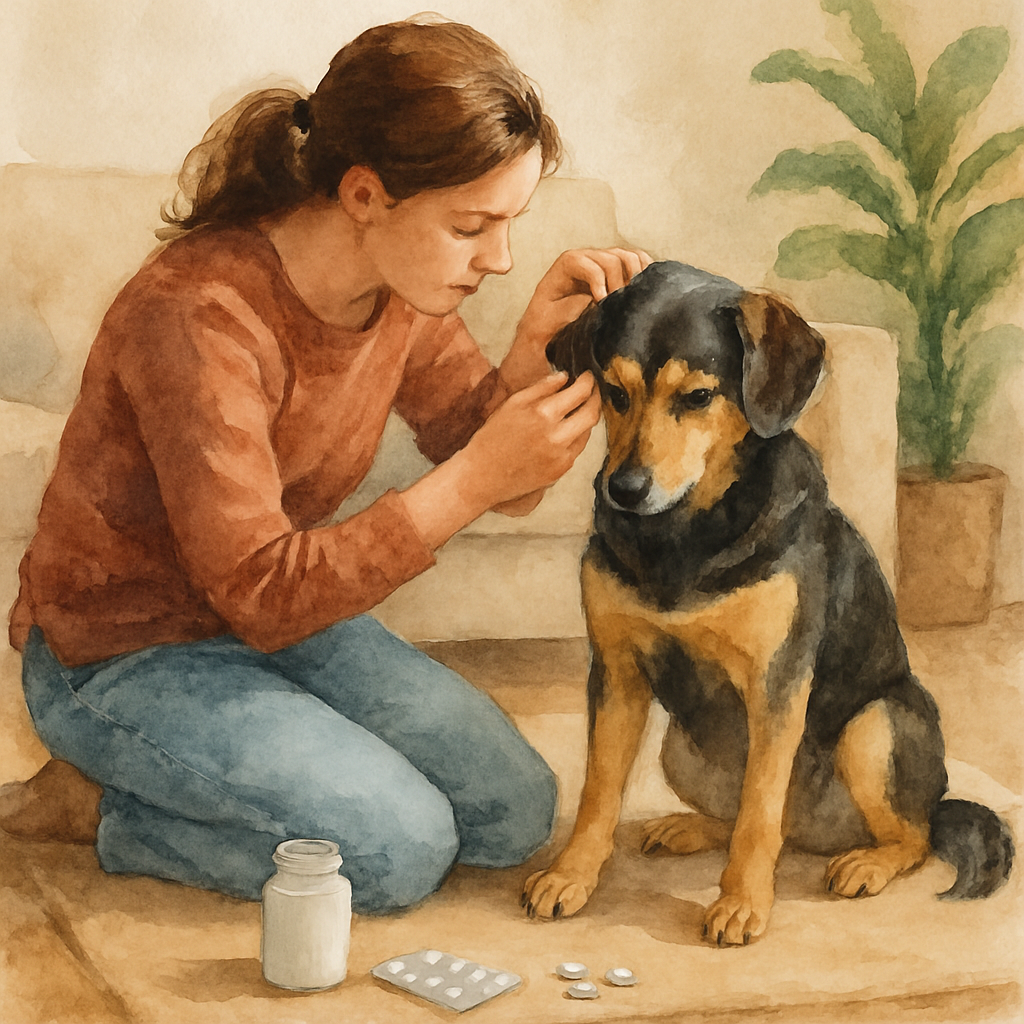
Use this pet illness symptoms guide to decide next steps. When in doubt, it’s safer to call your vet.
Emergency: Seek immediate veterinary care
- Straining to urinate with little/no urine, crying in the litter box (especially male cats)
- Trouble breathing, blue/gray gums, choking
- Repeated vomiting or retching; bloated, painful belly (risk of bloat in dogs)
- Seizures, collapse, inability to stand, severe weakness
- Known toxin exposure (e.g., xylitol, grapes/raisins, lilies, rodenticide, certain medications)
- Major trauma, uncontrolled bleeding, penetrating wounds, eye injuries
- Heatstroke signs: heavy panting, drooling, wobbliness, collapse
Urgent (see vet within 24 hours)
- Fever (ears feel hot, lethargy) or measured temperature over 103 F (39.4 C)
- Persistent diarrhea, blood in stool, repeated vomiting, or black/tarry stool
- Severe ear pain, head tilt, foul odor or discharge from ears
- Sudden severe lameness, reluctance to move, or signs of significant pain
- Marked loss of appetite in any pet; missed meals in kittens/puppies; no eating >24 hours in adults or >12 hours in small/toy breeds
- Frequent urination, accidents, straining, blood in urine, strong urine odor
- Dehydration signs: sticky/tacky gums, sunken eyes, skin tent stays up
Monitor at home (call if not improving in 24–48 hours)
- Mild, one‑time vomiting or soft stool without blood, normal energy
- Occasional cough or sneeze without labored breathing or fever
- Mild itchiness or hot spot without open wounds
- Eating and drinking normally, normal pee/poop, normal energy levels
Remember: The safest answer to “when to take pet to vet?” is early—especially for young or senior pets, or if symptoms are worsening.
Puppies and Kittens: Common Problems and Solutions (0–12 months)
Young pets are still building immunity and exploring the world with their mouths. Rapid changes can happen in just hours.
Vaccine-preventable diseases
- Parvovirus (dogs): Vomiting, foul/bloody diarrhea, lethargy, dehydration; requires hospitalization. Prevent with on‑time vaccinations and avoiding high‑risk areas until fully vaccinated.
- Distemper (dogs): Cough, nasal/eye discharge, neurologic signs; strict vaccination is essential.
- Panleukopenia (cats): Severe vomiting/diarrhea, profound lethargy; vaccinate and limit exposure until series complete.
- Feline upper respiratory infections: Sneezing, eye/nasal discharge; isolate new kittens and keep vaccines current.
Parasites in young pets
- Intestinal worms (roundworms, hookworms, whipworms): Potbelly, diarrhea, vomiting, weight loss. Deworm on schedule; test fecals as recommended by your vet.
- Coccidia/Giardia: Watery or mucus diarrhea, dehydration; treat with prescribed meds; clean environment thoroughly.
- Fleas/ticks/mites: Itching, hair loss, pale gums (severe flea anemia). Use vet‑recommended preventives; treat all pets in the home.
Dietary and digestive upsets
- Common causes: Abrupt food changes, scavenging, chewing foreign objects (socks, toys), milk intolerance.
- Warning signs: Persistent vomiting/diarrhea, abdominal pain, not eating, lethargy—call the vet early.
- Prevention: Puppy/kitten‑proof the home; supervise chew time; avoid table scraps and bones.
Other early-life risks
- Respiratory irritation from dust/litter in kittens; use low‑dust litter.
- Hypoglycemia risk in small/toy breed puppies with poor appetite—seek care promptly if weak or trembly.
- Congenital issues (heart murmurs, hernias, kneecap laxity): get early veterinary exams to plan care.
Young Adults (1–6 years): Common Pet Illnesses and Fixes
As pets mature, infections, injuries, and early dental disease dominate. Routine prevention keeps most issues small.
- Skin and ear infections: Redness, odor, discharge, head shaking, licking paws. Triggers include allergies, moisture, and parasites. Vet care for testing and medication is key; finish all meds to prevent recurrence.
- Gastrointestinal upsets: Dietary indiscretion (trash, treats, bones) causes vomiting/diarrhea. Offer water, consider bland diet per vet advice; seek care if vomiting repeats or stool has blood.
- Urinary tract infections (more common in female dogs): Frequent, urgent urination, accidents, discomfort. A urine test confirms diagnosis and guides antibiotics.
- Feline lower urinary tract disease (FLUTD): Straining, frequent small urinations, blood in urine, licking genitals, accidents. Male cats risk life‑threatening blockage—emergency if no urine passes.
- Dental disease (gingivitis, tartar): Bad breath, drooling, reluctance to chew. Start daily brushing, dental diets/chews, and professional cleanings as recommended.
- Orthopedic injuries: Sprains or ligament tears from high activity. Rest and vet evaluation if limping lasts more than 24–48 hours or if severe.
- Parasites: Continue monthly preventives for fleas/ticks/heartworm and routine fecal tests for intestinal worms.
Mature and Senior Pets (7+ years): What Changes and What to Watch
Older pets experience slower metabolism, decreased organ reserve, and higher cancer risk. Subtle “slowing down” may be a medical problem, not just aging.
- Arthritis and joint pain: Stiffness, reluctance to jump/climb stairs, slower walks, irritability when touched. Solutions: weight control, low‑impact exercise, vet‑recommended pain control, joint supplements, ramps, non‑slip floors.
- Dental disease and oral pain: Dropping food, pawing at mouth, bad breath, facial swelling. Professional dental care prevents infection and tooth loss.
- Kidney disease (common in older cats): Increased drinking and urination, weight loss, decreased appetite, vomiting. Early blood/urine screens help; diet changes and meds can slow progression.
- Endocrine disease:
- Cats: Hyperthyroidism—weight loss despite appetite, hyperactivity, vomiting.
- Dogs: Hypothyroidism—weight gain, lethargy, coat/skin issues; Cushing’s—excess thirst/urination, potbelly, hair loss.
- Diabetes: Excess thirst/urination, weight loss, increased appetite initially. Requires prompt diagnosis and treatment.
- Heart disease: Cough, exercise intolerance, fainting spells. Early detection through exams and imaging improves outcomes.
- Cancer risk rises: New lumps, non‑healing sores, unexplained weight loss, bleeding. Biopsy or imaging may be needed.
- Cognitive dysfunction: Night pacing, accidents, altered sleep, confusion. Environmental enrichment, routines, and vet therapies can help.
- Vision/hearing loss: Bumping into objects, startle responses. Keep environments consistent and use gentle cues.
Common Infection Signs in Dogs and Cats
These common pet infection signs signal your pet needs a checkup:
- Ear infections: Head shaking, scratching, redness, odor, discharge; often painful—don’t insert cotton swabs into the canal.
- Skin infections: Red, oozing, or crusty patches (hot spots), hair loss, intense itching. Rule out fleas and allergies; treat promptly to prevent spreading.
- Urinary infections: Frequent urination, straining, accidents, strong odor, blood in urine. Always test urine—symptoms overlap with more serious problems (stones, blockages).
- Respiratory infections: Coughing, sneezing, nasal/eye discharge, fever, lethargy. Isolate from other pets and seek vet guidance.
- Gastrointestinal infections: Repeated vomiting/diarrhea, blood or mucus in stool, fever, abdominal pain—dehydration can develop quickly.
Parasites in Pets: Symptoms and Prevention
Parasites remain a major cause of common pet illnesses across all ages.
- Fleas: Itching, flea dirt (black specks), hair loss, pale gums in severe infestations. Treat all pets and the environment; continue year‑round prevention.
- Ticks: Embedded tick, swelling at site; can transmit diseases. Use preventives and perform tick checks after outdoor time.
- Mites (ear, skin): Head shaking, intense itch, crusting. Requires specific medications—see your vet.
- Intestinal worms (roundworm, hookworm, whipworm, tapeworm): Diarrhea, weight loss, dull coat; tapeworm segments may look like grains of rice near the tail.
- Giardia/coccidia: Watery or foul diarrhea; needs tests and targeted treatment.
- Heartworm: Dogs—cough, exercise intolerance, collapse in advanced cases. Cats—sometimes no signs, or sudden breathing distress. Year‑round prevention is critical.
Tip: Parasites in pets symptoms may be subtle. Annual fecal tests and consistent preventives protect both pets and family members.
Pain, Fever, and Dehydration: How to Tell
Pet pain signs
- Hiding, restlessness, trembling, yelping when touched
- Changes in posture or gait; reluctance to jump or climb
- Facial tension, pinned ears, squinting, decreased grooming in cats
- Behavior changes: irritability, reduced social interaction, decreased appetite
Never give human pain relievers like ibuprofen or acetaminophen without veterinary direction; they can be toxic or fatal to pets.
Pet fever symptoms
- Warm ears/paws, shivering, lethargy, reduced appetite
- Measure a rectal temperature with a digital thermometer: normal is about 99.5–102.5 F (37.5–39.2 C) in dogs and cats.
- A temperature over 103 F (39.4 C) is a concern; 104.5 F (40.3 C) or higher is an emergency. Never use a glass thermometer.
Dehydration signs in pets
- Dry, tacky gums; stringy saliva
- Skin “tent” at the shoulder stays elevated or falls slowly
- Sunken eyes, lethargy, fast heart rate
Offer small amounts of water frequently. Seek care if vomiting prevents drinking, if your pet seems weak, or if signs persist.
Urinary Problems: Why They’re Emergencies in Many Cats
Male cats are prone to urethral blockage. This is rapidly life‑threatening and requires immediate veterinary treatment.
- Warning signs: Repeated trips to the box, straining, yowling, small drops of urine or none, blood in urine, vomiting, lethargy, hiding, painful belly.
- Do not wait: If your cat can’t pass urine, go to an emergency clinic now.
Dogs and female cats can also develop stones or infections; any urinary blood, accidents in a house‑trained pet, or strong odor warrants a vet visit.
Loss of Appetite in Pets: What It Means by Age
- Puppies/kittens: Skipping even one or two meals can lead to low blood sugar and dehydration; contact your vet if they won’t eat or seem weak.
- Adults: A single missed meal with normal energy can be observed; if appetite doesn’t return within 24 hours or other symptoms appear (vomiting, diarrhea, pain), call the vet.
- Seniors: Reduced appetite often signals dental pain, kidney or liver disease, cancer, or medication side effects. Seek evaluation promptly.
Note: Sudden food refusal plus lethargy, vomiting, fever, or dehydration is a red flag. Also watch water intake; increased thirst can signal diabetes, Cushing’s, or kidney issues.
At-Home Monitoring and First Aid (What You Can Do Now)
- Track symptoms: Note appetite, water intake, energy, urination/defecation, vomiting/diarrhea frequency, and any coughing/sneezing.
- Check vital signs: Temperature, gum color (should be pink and moist), breathing rate/effort. Video unusual behavior to show your vet.
- Hydration: Offer fresh water; for mild tummy upset, ask your vet about oral rehydration options. Do not force water if vomiting persists.
- Diet for mild GI upset: With vet guidance, consider a bland diet (e.g., a veterinary prescription GI diet). Avoid fatty foods, bones, and unfamiliar treats.
- Rest and restrict activity if limping; avoid stairs/jumps. Use a crate or small room for calm rest.
- Elizabethan collar (cone): Prevent licking/chewing wounds or hot spots until examined.
- Isolation: Keep a coughing/sneezing pet away from other pets until cleared by your vet.
Do not give over‑the‑counter human medications without veterinary advice. Many are unsafe for pets, and wrong dosing can be dangerous.
Prevention Checklist by Life Stage
Puppies and kittens
- Veterinary exams every 3–4 weeks until vaccines are complete
- Core vaccines on schedule; deworming and fecal tests
- Start flea/tick and heartworm prevention
- Spay/neuter at vet‑recommended timing
- Nutrition tailored for growth; gradual diet transitions
Adults
- Annual checkups; sooner if symptoms appear
- Consistent parasite prevention year‑round
- Dental care: daily brushing, dental diets/chews, professional cleanings
- Weight management and daily activity
- Safe environments: trash secured, toxins out of reach, pet‑proofed spaces
Seniors
- Checkups every 6 months; baseline and follow‑up blood/urine tests
- Pain screening and mobility support plans
- Monitor thirst, urination, appetite, weight, and behavior changes
- Comfort upgrades: ramps, soft bedding, non‑slip rugs, litter boxes with low sides
- Adjust diet for kidney, heart, or weight needs per vet guidance
When to Take Your Pet to the Vet: Clear Triggers
- Emergency now: Breathing trouble, collapse, seizures, severe pain, repeated vomiting/retching, bloated abdomen, inability to urinate, major trauma, toxin exposure.
- Urgent within 24 hours: Fever, persistent vomiting/diarrhea or blood in stool/urine, severe ear/skin infections, sudden lameness, marked lethargy, eye injuries, suspected urinary infection.
- Prompt appointment: Weight loss or gain without diet change, increased thirst/urination, recurrent coughing/sneezing, new lumps, worsening breath/teeth issues, behavior changes (especially in seniors).
If you’re unsure, call your veterinarian. A quick call can prevent a small problem from becoming serious.
Examples by Age: What a Day of Symptoms Can Mean
- 8‑week‑old puppy with diarrhea and low energy: Possible parasites or parvovirus—urgent same‑day care.
- 2‑year‑old dog with head shaking and ear odor: Likely ear infection—appointment within 24 hours to prevent complications.
- 4‑year‑old indoor cat urinating outside the box: Could be stress cystitis or stones—call your vet; if straining with no urine, go to ER.
- 10‑year‑old cat losing weight but eating more and vocalizing at night: Possible hyperthyroidism—schedule exam and labs soon.
- 12‑year‑old dog stiff after resting, better after warm‑up: Likely arthritis—vet visit for pain plan and mobility support.
Frequently Asked Questions
What are the most common pet illnesses?
By age: Young pets—parasites, GI upsets, contagious infections. Adults—skin/ear infections, dental disease, UTIs, injuries. Seniors—arthritis, dental disease, kidney/heart issues, diabetes/endocrine disorders, and cancer.
How do I know if my pet has a fever?
Warm ears/paws, lethargy, and reduced appetite can hint at fever. Confirm with a digital rectal thermometer; normal is about 99.5–102.5 F (37.5–39.2 C). Over 103 F (39.4 C) warrants a vet call; 104.5 F (40.3 C) or higher is an emergency.
What are warning signs of sick pets I should never ignore?
Trouble breathing, inability to urinate, repeated vomiting/retching, severe pain, collapse, seizures, significant bleeding, or known toxin exposure. These require immediate care.
Can I wait 24 hours if my pet vomits once?
If your pet vomits once but is bright, eating, drinking, and has no other symptoms, you can monitor. Call the vet if vomiting repeats, if there’s blood, or if your pet becomes lethargic or stops eating.
Do indoor pets need parasite prevention?
Yes. Fleas, mosquitoes (heartworm), and intestinal parasites can enter homes on clothing, other pets, or through screens. Year‑round prevention and periodic fecal tests are recommended.
What are subtle pet pain signs?
Reluctance to jump, slower stairs, changes in grooming (especially in cats), decreased play, irritability, and sleeping more. If you notice these, ask your vet about a pain and mobility assessment.
Bottom Line
Common pet illnesses shift with age—from infectious and parasite‑related diseases in the young to chronic and degenerative conditions in seniors. Know the warning signs, use this pet illness symptoms guide, and act early. When in doubt about when to take your pet to the vet, call—your timely decision can be life‑saving.
Caution: This article is educational and not a substitute for professional veterinary care. If you suspect a serious issue or your pet’s symptoms worsen, contact your veterinarian or an emergency clinic right away.