Dog vs Cat Illness Symptoms: How to Spot Trouble Before It Gets Serious
Dogs and cats get sick in different ways and show discomfort differently. This practical pet illness symptoms guide compares common dog and cat health issues, highlights red flags, and explains when to take your pet to the vet—before a minor issue turns serious.
Quick Safety Note
If your pet is struggling to breathe, can’t stand, is severely lethargic, has seizures, is bleeding, or may have eaten something toxic, contact an emergency veterinarian now. Cats who stop eating for 24–48 hours, male cats straining to urinate, and dogs with a swollen, painful belly and unproductive retching are also emergencies.
How Dogs and Cats Show Illness Differently
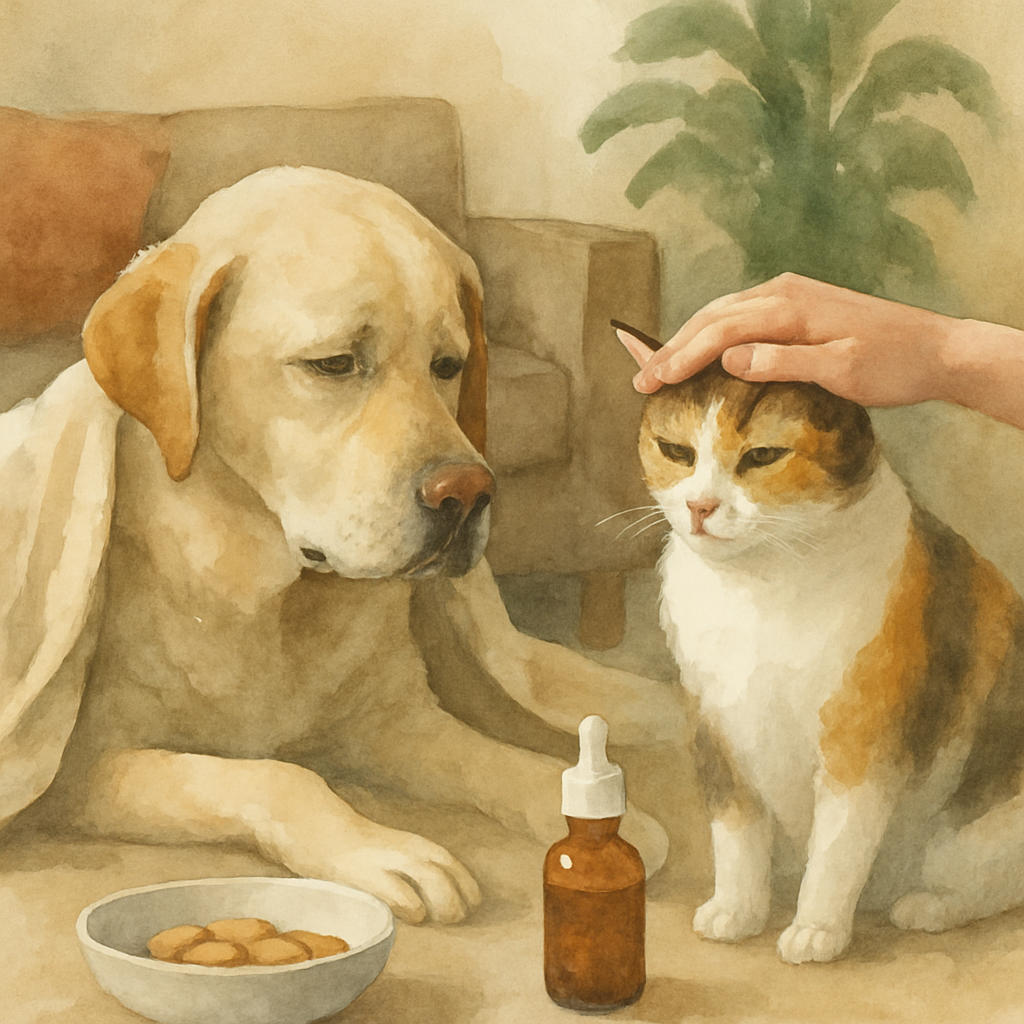
- Cats are subtle. They tend to hide, sleep more, stop grooming, or avoid jumping. Loss of appetite in cats is especially serious.
- Dogs are usually more obvious. They may whine, pace, pant, vomit, or have diarrhea sooner after a problem starts.
- Bathroom clues differ. Litter box habits in cats and outdoor potty changes in dogs offer early warning signs.
- Social behavior changes matter. Withdrawn cats or clingy
Fast Triage: Red, Yellow, and Green Flags
Red flags: Go to a veterinarian or ER immediately
- Difficulty breathing, open-mouth breathing in cats, blue/pale gums
- Unproductive retching/belching with a distended, painful abdomen (possible bloat/GDV in dogs)
- Male cat straining to urinate with little/no urine, crying, or licking the penis
- Seizures, collapse, inability to stand, severe trauma
- Known toxin ingestion (human meds, antifreeze, xylitol, lilies in cats, grapes/raisins, rodenticide)
- Profuse vomiting or diarrhea with blood, especially in puppies/kittens
- Heat stroke signs: heavy panting, drooling, weakness, confusion, very high temperature
Yellow flags: Call your vet today or within 24 hours
- Repeated vomiting (more than 1–2 times), especially with loss of appetite
- Diarrhea lasting more than 24 hours in adult pets or any diarrhea in very young/senior pets
- Coughing, sneezing with fever or lethargy
- Ear odor, head shaking, discharge, or pain
- Limping, stiffness, back pain, frequent hiding (cats), or restlessness (dogs)
- Increased thirst/urination, sudden weight loss, or foul breath
Green flags: Monitor, but don’t ignore
- Mild, single soft stool or one-time vomit in an otherwise bright pet
- Brief appetite dip following a known stressor (e.g., travel), with normal energy and hydration
- Occasional hairballs in cats without other signs
Core Pet Illness Symptoms Guide (Dog vs Cat)
1) Pet fever symptoms
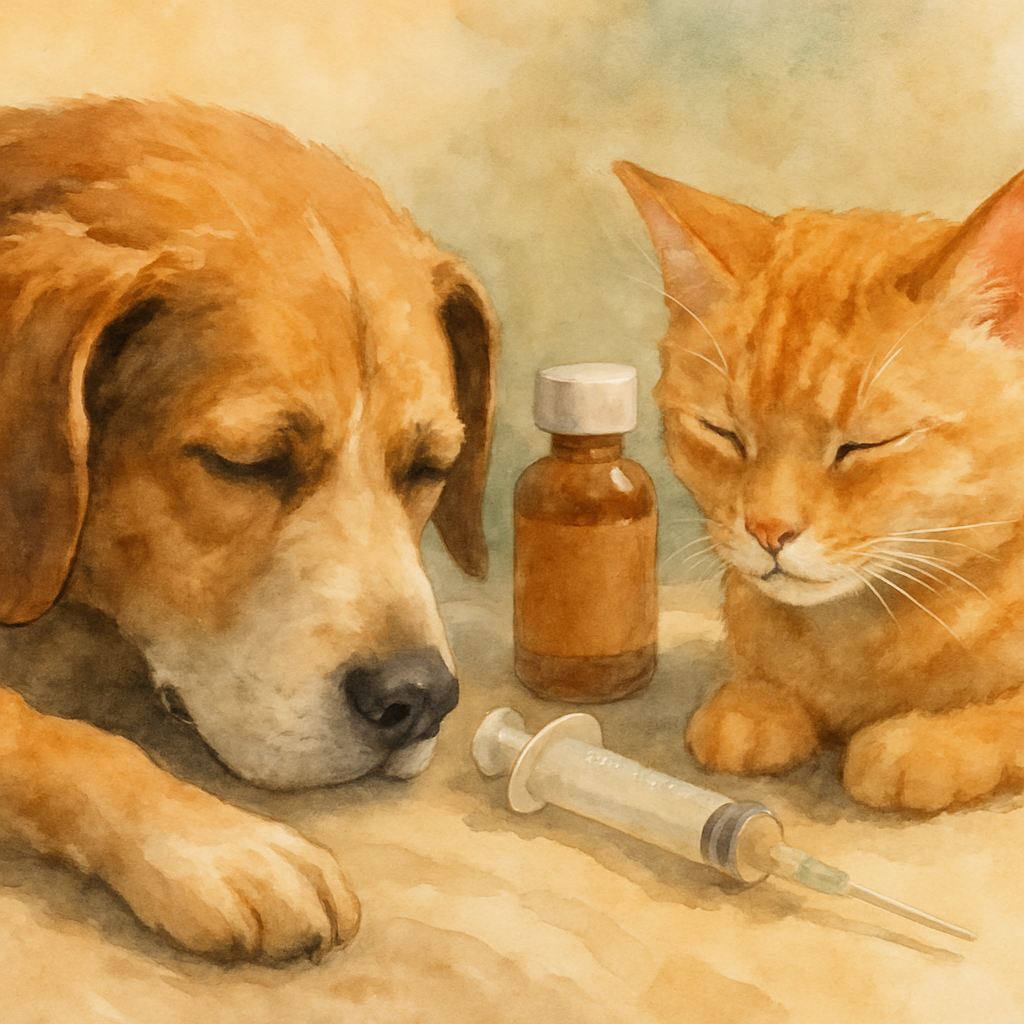
Warm ears or nose are not reliable. Use a digital rectal thermometer.
- Normal temperature: Dogs 100.0–102.5°F (37.8–39.2°C); Cats 100.5–102.5°F (38.1–39.2°C)
- Signs of fever: Lethargy, shivering, reduced appetite, warm body/ears, rapid breathing/heart rate
- Do not give human fever reducers (ibuprofen, acetaminophen)—they can be fatal to pets, especially cats.
2) Vomiting (dog vomiting causes vs. cat causes)
Vomiting is forceful abdominal heaving; regurgitation is passive. Frequent vomiting is not normal.
- Common dog vomiting causes: Dietary indiscretion (“garbage gut”), abrupt diet change, parasites, gastritis, pancreatitis, foreign body, toxin exposure, kidney/liver disease, Addison’s disease. Unproductive retching with a big belly is an emergency (possible bloat/GDV).
- Common cat vomiting causes: Hairballs, diet intolerance, parasites, foreign body/string, pancreatitis, inflammatory bowel disease, hyperthyroidism (older cats), kidney disease, toxins (lilies are deadly).
- Red flags: Blood, coffee-ground material, repeated vomiting, abdominal pain, weakness, known toxin or foreign body, dehydration.
3) Diarrhea (including cat diarrhea causes)
- Common dog causes: Sudden diet change, stress, parasites, bacterial/viral infections (parvo in unvaccinated pups), pancreatitis, food intolerance.
- Common cat causes: Diet change, stress/boarding, parasites (giardia, coccidia), IBD, hyperthyroidism, pancreatitis, antibiotic side effects, viral infections (panleukopenia).
- Red flags: Black tarry stool (melena), bright red blood, severe lethargy, fever, dehydration, diarrhea in very young/senior pets.
4) Breathing, coughing, and sneezing
- Dogs: Kennel cough (harsh honking cough), pneumonia (fever, lethargy), heart disease (night cough, exercise intolerance), collapsing trachea (toy breeds), allergies.
- Cats: Asthma (wheezing, posture with neck extended), heart disease (open-mouth breathing is an emergency), respiratory infections.
- Red flags: Open-mouth breathing in cats, rapid or labored breathing, blue/pale gums, fainting, continuous cough.
5) Appetite and weight changes (loss of appetite in pets)
- Dogs: Skipping one meal might be okay if alert; more than 24–48 hours or any additional symptoms—call your vet.
- Cats: Not eating for 24–48 hours can lead to hepatic lipidosis (fatty liver), especially in overweight cats—this is urgent.
- Unplanned weight loss can signal dental disease, parasites, diabetes, kidney disease, hyperthyroidism (cats), cancer, chronic GI disease.
6) Pet pain signs
- Dogs: Restlessness, whining, panting at rest, reluctance to jump or climb, licking one spot, guarding the belly, limping.
- Cats: Hiding, decreased grooming, not jumping, crouched/hunched posture, squinting, reduced play, aggression when touched.
- Don’t give human pain medication; many are toxic to pets. Call your vet.
7) Urination and thirst
- Dogs: Straining, frequent small urinations, accidents, blood in urine can indicate UTI, stones, prostate issues (males), or diabetes/kidney disease.
- Cats: Frequent litter box trips with little urine, crying, or licking the genitals—especially in male cats—can indicate urinary blockage (emergency). Increased urine volume or accidents may signal diabetes or kidney disease.
- Increased thirst can reflect kidney disease, diabetes, Cushing’s disease (dogs), hyperthyroidism (cats), infection, or medication effects (steroids).
8) Gums, eyes, and nose
- Healthy gums are bubble-gum pink and moist. Pale, blue, or yellow gums are emergencies or urgent concerns.
- Eye pain: Redness, squinting, discharge, cloudiness—seek prompt care to prevent vision loss.
- Nasal discharge that’s thick, green, bloody, or one-sided warrants a vet visit.
9) Skin and coat
- Fleas and flea dirt (black specks that turn red on wet tissue), dandruff, hair loss, hot spots, or excessive licking suggest allergies, parasites, infection, pain, or anxiety.
- Sudden swelling of the face or hives can indicate an allergic reaction—call your vet; severe reactions with breathing trouble are emergencies.
10) Behavior and neurologic
- New aggression, hiding, disorientation, head tilt, circling, collapse, or seizures all need veterinary assessment.
- Older cats that yowl at night or dogs that pace/confuse day and night could have cognitive dysfunction or medical pain.
Common Causes by Symptom: Dog vs Cat Health Issues Explained
Vomiting or retching
- Dogs: Food indiscretion, GI foreign body (chewed toys, socks), pancreatitis, parvo (unvaccinated), bloat/GDV (emergency), toxin ingestion.
- Cats: Hairballs vs. true vomit, string foreign body (never pull on a string), kidney disease, hyperthyroidism, dietary intolerance, toxins (lilies).
Diarrhea
- Dogs: Rapid diet change, parasites, stress colitis, infectious disease, food intolerance/allergy.
- Cats: Parasites (giardia, coccidia), IBD, hyperthyroidism (older), sudden food change, infection, stress from environment changes.
Coughing
- Dogs: Kennel cough, collapsing trachea, pneumonia, heartworm disease, heart enlargement.
- Cats: Asthma, heart disease, hairball retching (often mistaken for cough), URI. Heartworm in cats may cause coughing or sudden collapse.
Skin and ears
- Dogs: Allergies (environmental/food), fleas, mites, bacterial/yeast infections, hot spots, ear infections after swimming or with allergies.
- Cats: Flea allergy dermatitis, ringworm (contagious), ear mites (especially young or shelter cats), allergic skin disease, abscesses from cat bites.
Urination issues
- Dogs: UTIs, bladder stones, prostate disease, diabetes/Cushing’s. Straining with pain could be stones—needs imaging.
- Cats: Feline lower urinary tract disease (FLUTD), stress-induced cystitis, crystals, stones, and urethral obstruction in males (emergency).
Fever and lethargy
- Dogs: Tick-borne disease, infections, immune conditions, post-vaccination mild fever.
- Cats: Viral infections, abscesses, inflammatory disease, post-vaccination mild fever.
At-Home Checks and Monitoring
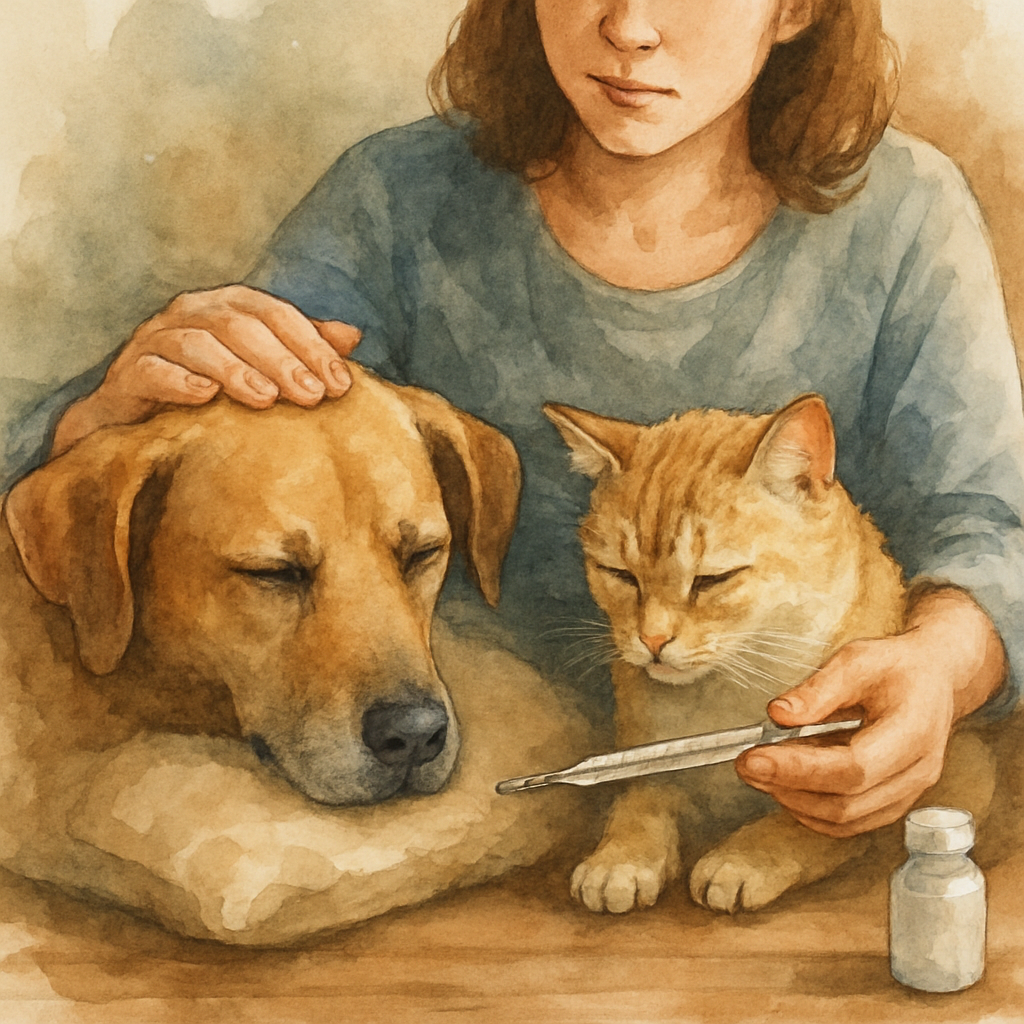
Basic checks help you track changes and explain them clearly to your vet.
- Temperature: Use a digital rectal thermometer with lubrication. Normal: Dogs 100.0–102.5°F; Cats 100.5–102.5°F.
- Respiratory rate at rest: Count breaths for 30 seconds and double. Dogs: 10–30/min; Cats: 16–30/min. Sleeping cats/dogs should usually be under 30/min. Consistent rates above 30 at rest are a reason to call your vet.
- Heart rate: Feel inside the back leg (femoral pulse) or over the left chest. Dogs: 60–120 bpm (smaller dogs higher); Cats: 140–220 bpm (stress elevates).
- Hydration: Gums should be moist, skin should spring back in 1–2 seconds when gently tented (between shoulders). Tacky gums, sunken eyes, prolonged skin tent suggest dehydration.
- Gum color: Healthy pink. Pale/white, blue, or yellow require urgent evaluation.
- Bathroom log: Note frequency, volume, blood/mucus, straining, accidents, litter box visits. Bring a fresh stool sample if diarrhea persists.
- Food/water intake: Track portions eaten and water levels daily; changes help detect early disease.
- Photos/videos: Record coughing, limping, breathing pattern, or abdominal effort to show your vet.
Parasites in Pets: Symptoms and What to Watch For
- Fleas: Itching, hair loss over rump/tail base, flea dirt (black specks that turn red when wet). Cats may overgroom instead of scratching.
- Ticks: Embedded tick, swelling at site, fever/lameness in tick-borne disease. Remove safely with a tick tool; avoid twisting the body off and leaving mouthparts.
- Intestinal worms: Pot-belly in young pets, weight loss, dull coat, vomiting worms, rice-like segments near the anus (tapeworms), blood or mucus in stool.
- Giardia/Coccidia: Intermittent diarrhea, foul odor, weight loss—more common in young or group-housed pets.
- Heartworm: Dogs—cough, exercise intolerance, fainting in advanced cases. Cats—cough, vomiting, sudden collapse or death even with low worm burden.
- Ear mites (more common in cats): Coffee-ground discharge, intense itching, head shaking.
Use vet-recommended year-round parasite prevention. Over-the-counter products can vary in safety and efficacy; some dog products are toxic to cats.
Ear Infection Symptoms in Pets
- Common signs: Ear odor, redness, discharge (brown, yellow, black), head shaking, scratching, pain when touched, scabs or hair loss around the ear, head tilt, or balance issues.
- Dogs: Often linked to allergies or moisture (swimming). Floppy-eared breeds are at higher risk.
- Cats: Ear mites in younger cats; bacterial/yeast infections; polyps can cause chronic discharge.
- What to avoid: Don’t use Q-tips deep in the canal, alcohol, or hydrogen peroxide. Don’t share ear meds between pets.
- Vet care: Your vet may examine with an otoscope, take a cytology sample, and choose targeted drops. Culture or imaging may be needed for recurrent cases.
Special Cases and Age-Related Risks
- Puppies and kittens: Dehydrate quickly; vomiting/diarrhea or poor appetite is urgent. Parvovirus (dogs) and panleukopenia (cats) cause severe GI signs—vaccination is critical.
- Senior pets: Kidney disease (cats), heart disease, arthritis, dental disease, cancer become more common. Subtle signs—reduced jumping (cats), reluctance to climb stairs (dogs), weight loss—warrant early screening.
- Male cats: Urinary blockage risk—straining, frequent box trips, vocalizing, small dribbles of urine. This is an emergency.
- Dogs at risk for bloat/GDV: Large, deep-chested breeds (Great Danes, Dobermans). Unproductive retching and a swollen belly—go now to ER.
- Diabetes: Increased thirst/urination, weight loss despite eating; cats may walk plantigrade (hocks down). Needs veterinary diagnosis and management.
- Hyperthyroidism (cats): Weight loss, ravenous appetite, vomiting, hyperactivity, increased thirst/urination.
- Pancreatitis: Vomiting, abdominal pain, inappetence; often follows fatty foods in dogs. Cats show vague signs—lethargy, decreased appetite, vomiting.
- Dental disease: Bad breath, drooling, pawing at mouth, dropping food, facial swelling, sneezing (upper canine tooth root near nasal passages in dogs). Dental pain reduces appetite and quality of life.
When to Take Your Pet to the Vet: Practical Scenarios
- My dog vomited once but is bright: Withhold food for 6–8 hours (water available) and offer a small bland meal; if vomiting repeats, there’s blood, or your dog becomes lethargic—call your vet the same day.
- My cat skipped breakfast and is hiding: If no eating by evening or if any vomiting/diarrhea/weakness—call the vet today. Cats should not go more than 24–48 hours without food.
- My dog has soft stool after a food change: If one or two episodes and energy is normal, monitor and feed bland. If diarrhea lasts more than 24 hours, there’s blood, or your pet seems unwell—schedule a visit and bring a stool sample.
- My cat is coughing: If open-mouth breathing, lethargy, or labored breaths—ER now. Otherwise, schedule a visit within 24–48 hours for asthma/heart evaluation.
- My pet is scratching ears and they smell yeasty: Call for a same-week appointment; earlier if there’s pain or balance issues.
- My dog is drinking more and peeing more: Book an exam and lab work within a week to check for diabetes, kidney disease, Cushing’s, or infection.
What to Tell the Vet and What to Bring
- Timeline: When signs started, how they changed, any known triggers (diet change, new treats, stress, travel, boarding, houseguests).
- Diet and medications: Brand, flavor, recent changes, supplements, preventives. Include doses and timing of any meds given.
- Environment: Access to trash, plants (especially lilies with cats), chemicals, small toys/strings, other animals.
- Samples and media: Fresh stool sample (in a sealed bag), photos of stool/vomit, videos of coughing or breathing, pictures of rashes/ears.
- Vitals log: Resting respiratory rate, appetite/water intake notes, weight changes.
Prevention and Wellness Tips
- Vaccines: Keep core vaccines up to date to prevent severe diseases (e.g., parvo, distemper, panleukopenia, rabies).
- Parasite prevention: Year-round flea/tick/heartworm protection; use species-appropriate products only.
- Nutrition: Consistent, balanced diet; avoid sudden changes. Transition over 5–7 days to reduce GI upset.
- Weight and activity: Maintain lean body condition; adjust calories with age and activity. Exercise dogs appropriately; provide cats with vertical spaces and play.
- Dental care: Daily or frequent brushing with pet-safe toothpaste; schedule professional cleanings as recommended.
- Hydration: Fresh water always; consider multiple water stations and fountains for cats.
- Stress reduction: Predictable routines, enrichment, safe hiding spots (cats), positive training (dogs). Stress can trigger urinary and GI issues.
- Regular checkups: Annual or semiannual exams, especially for seniors, to catch issues early.
Short FAQ: Dog vs Cat Illness Symptoms
How can I tell if my pet has a fever?
Use a digital rectal thermometer. Dogs: 100.0–102.5°F; Cats: 100.5–102.5°F. Lethargy and shivering may accompany fever. Don’t use human fever medications—call your vet for guidance.
When should I worry about my dog vomiting?
One isolated vomit in a bright dog can be monitored. Repeated vomiting, blood, abdominal pain, lethargy, known toxin/foreign object, or unproductive retching with a swollen belly needs urgent care.
What causes diarrhea in cats?
Common cat diarrhea causes include diet changes, stress, parasites (giardia, coccidia), inflammatory bowel disease, hyperthyroidism, and infections. Persistent or bloody diarrhea requires a vet visit and a stool test.
What are ear infection symptoms in pets?
Odor, discharge, head shaking, redness, pain. Dogs often have allergy-linked ear infections; cats may have mites or polyps. See your vet for proper cleaning and targeted medication.
How do I know if my pet is in pain?
Dogs may pant at rest, whine, limp, or lick one area. Cats tend to hide, stop jumping, or hunch. Any sudden behavior change or mobility issue merits a vet exam.
What are signs of parasites in pets?
Fleas cause itching and flea dirt; ticks attach to the skin; worms can cause weight loss, pot-belly, scooting, rice-like segments in stool; heartworm leads to coughing (dogs) or vomiting/collapse (cats). Use vet-recommended preventives.
When to take a pet to the vet for loss of appetite?
Dogs: If appetite doesn’t return within 24–48 hours or other symptoms appear. Cats: If a cat refuses food for 24–48 hours, call your vet—risk of fatty liver increases rapidly, especially in overweight cats.
Bottom Line
Small changes—skipped meals, subtle hiding in cats, mild coughs, or ear scratching—can be early clues. By learning dog vs cat differences and watching for red flags, you’ll know when to monitor and when to act. When in doubt, call your veterinarian—early care often prevents serious complications and speeds recovery.