Early Signs of Common Pet Illnesses Every Owner Should Never Ignore
Noticing subtle changes early often makes the difference between a quick recovery and a medical emergency. This symptom-based guide explains the most important pet illness symptoms for dogs and cats, what they can mean, and what to do next. Use it to spot early signs of pet sickness, track changes at home, and know when to take your pet to the vet.
Caution: If your pet is in distress, has trouble breathing, is unresponsive, is bleeding heavily, or you suspect poisoning, contact your veterinarian or the nearest emergency clinic immediately.
Quick Takeaways
- Any sudden change in appetite, energy, breathing, urination/defecation, or behavior can be a warning sign of sick pets.
- Loss of appetite in pets that lasts longer than 24 hours (or any loss in kittens/puppies) needs veterinary advice.
- Pet fever symptoms include warm ears or body and lethargy, but only a rectal/axillary thermometer confirms fever.
- Dehydration signs in pets include sticky gums, reduced skin elasticity, sunken eyes, and lethargy.
- Ear infection symptoms in pets: head shaking, scratching, odor, discharge, redness, or pain around ears.
- When in doubt about when to take pet to vet, call—vet teams can triage by phone and save critical time.
How to Do a
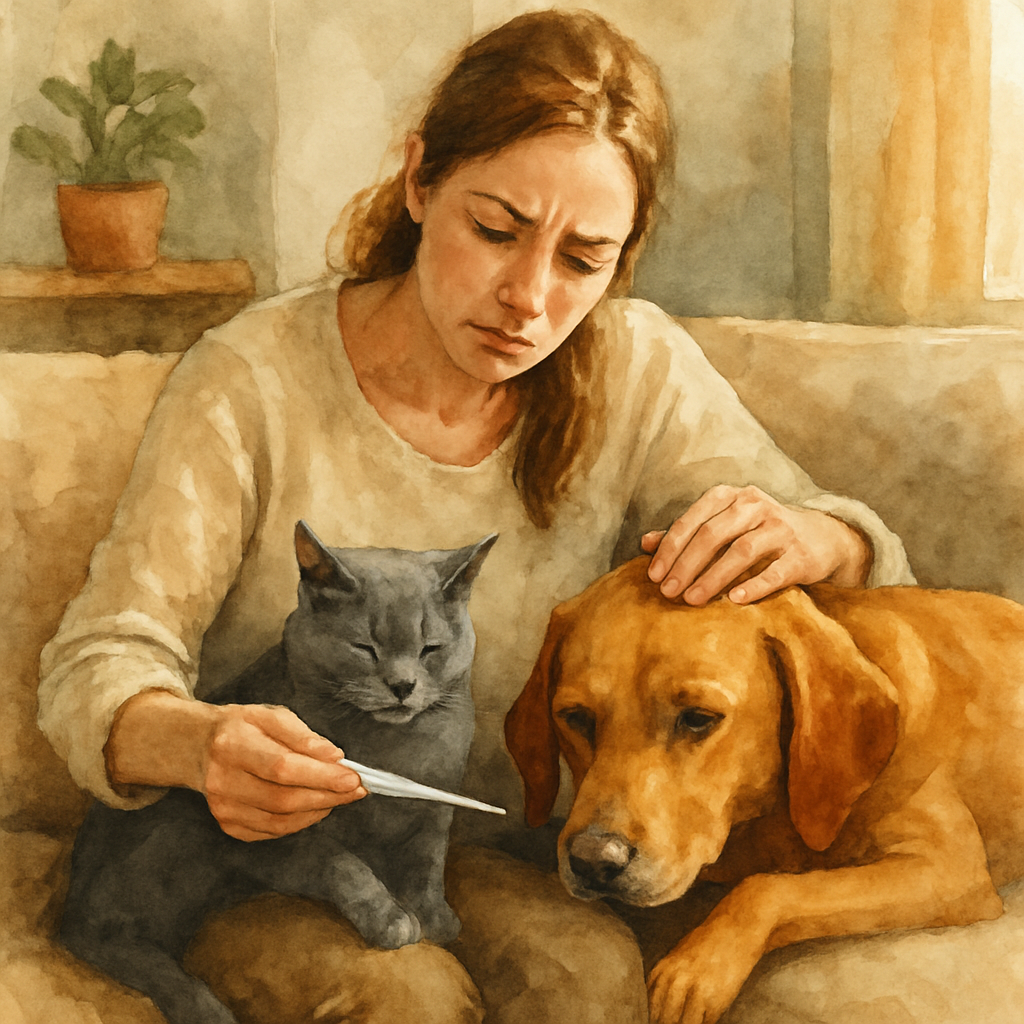
Regular, quick checkups help you recognize pet illness symptoms early:
- Look: Check eyes (clear, no discharge), nose (clean, not crusty), mouth (pink/moist gums), coat (shiny, no bald patches), walking (no limping), litter box or yard (normal stool/urine).
- Listen: Any coughing, wheezing, noisy breathing, or excessive meowing/barking/whining?
- Feel: Gently run hands over the body for lumps, heat, swelling, or pain. Lightly press gums—color should return in 1–2 seconds.
- Measure (if concerned):
- Temperature: Dogs 100.0–102.5°F (37.8–39.2°C); Cats 100.5–102.5°F (38.1–39.2°C).
- Heart rate at rest: Dogs 60–120 bpm (small dogs faster); Cats 140–220 bpm.
- Breathing at rest: Dogs 10–30/min; Cats 16–30/min. Sleeping rates should be on the lower end.
General Warning Signs of Sick Pets
These are the most common pet illness symptoms across many conditions:
- Loss of appetite or refusing favorite foods; in cats, even 24 hours without eating is concerning due to risk of fatty liver disease.
- Excessive thirst or urination (or much less than normal). Cats visiting the litter box frequently or dogs asking to go out at night can signal kidney, urinary, or endocrine issues.
- Vomiting or diarrhea, especially if frequent, bloody, projectile, or paired with lethargy or abdominal pain.
- Lethargy or hiding; cats often hide when unwell, dogs may withdraw or sleep more.
- Respiratory changes: coughing, sneezing, noisy or open-mouth breathing (especially in cats), or breathing faster at rest.
- Behavior changes: sudden aggression, clinginess, confusion, or disorientation can indicate pain or neurologic issues.
- Gait changes: limping, stiffness, reluctance to jump or climb stairs.
- Skin/coat changes: dull coat, dandruff, hot spots, hair loss, rashes, or bad odor.
- Eye changes: redness, cloudiness, squinting, discharge, or pupils of different sizes.
- Ear changes: scratching, head tilt, odor, redness, waxy or pus-like discharge.
- Mouth changes: bad breath, drooling, dropping food, pawing at mouth, bleeding gums.
- Weight changes: sudden loss or gain without diet change.
Pet Pain Signs: What Pain Looks Like in Dogs and Cats
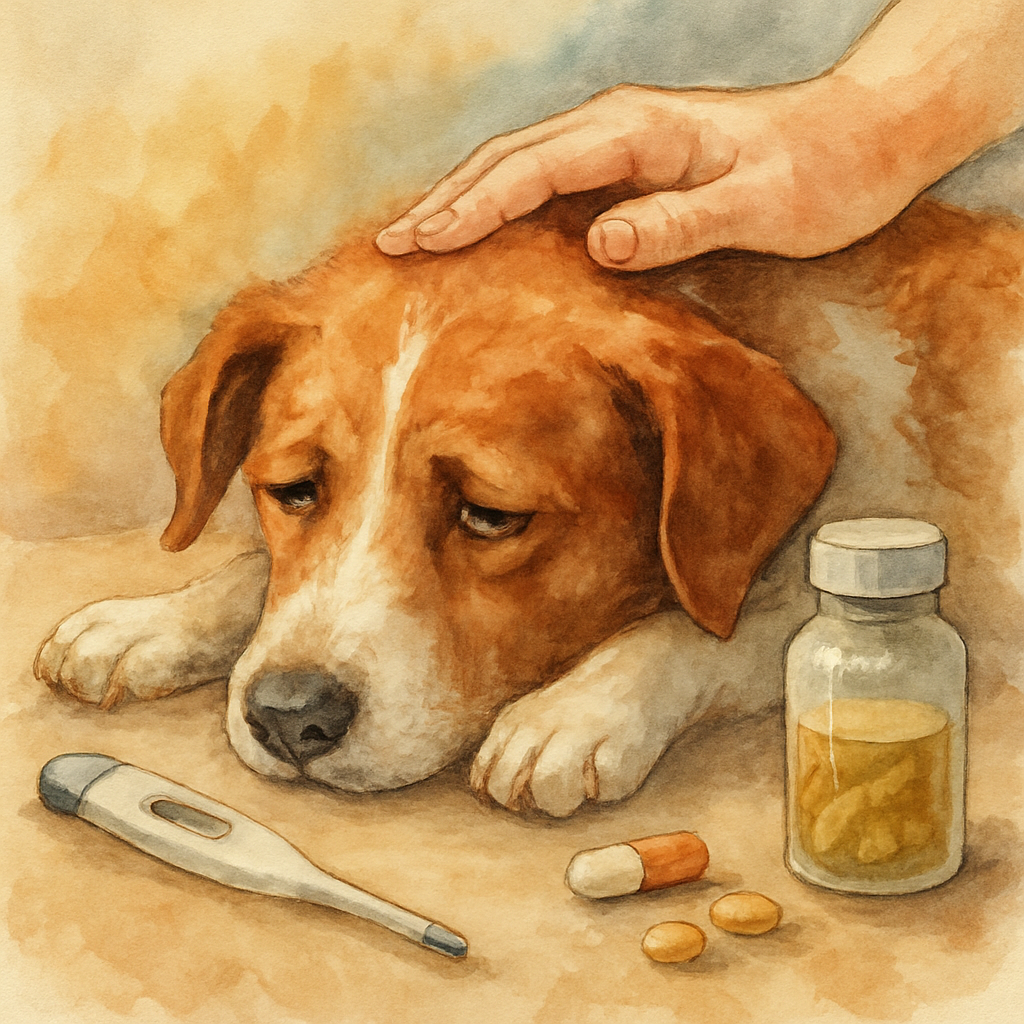
Pain is one of the most overlooked early signs of pet sickness. Look for:
- Behavior: restlessness, pacing, hiding, reluctance to be touched, reduced grooming (cats), or excessive licking of a specific spot.
- Movement: stiffness, limping, hesitation to jump, slow to rise, hunched back, tail tucked.
- Vocalization: whining, yelping, growling when touched, changes in meow/bark pitch.
- Facial cues: squinted eyes, furrowed brow, ears pinned back, changes in whisker position (cats).
- Physiologic signs: elevated heart rate and breathing, trembling, panting when not hot or stressed.
If you suspect pain, do not give human pain medications (many are toxic to pets). Contact your veterinarian for safe options.
Dehydration Signs in Pets and How to Check
Dehydration can develop quickly with vomiting/diarrhea, heat, or poor appetite. Key dehydration signs in pets:
- Sticky, tacky gums instead of slick and moist.
- Reduced skin elasticity: gently lift skin over shoulders—if it doesn’t snap back quickly, dehydration is possible.
- Sunken eyes, dry nose, lethargy, or weakness.
- Concentrated, dark urine or very small urine amounts.
Note: The skin “tent” test is less reliable in seniors, very thin, or obese pets. If you suspect dehydration, especially with other symptoms, call your vet.
Pet Fever Symptoms and How to Take a Temperature
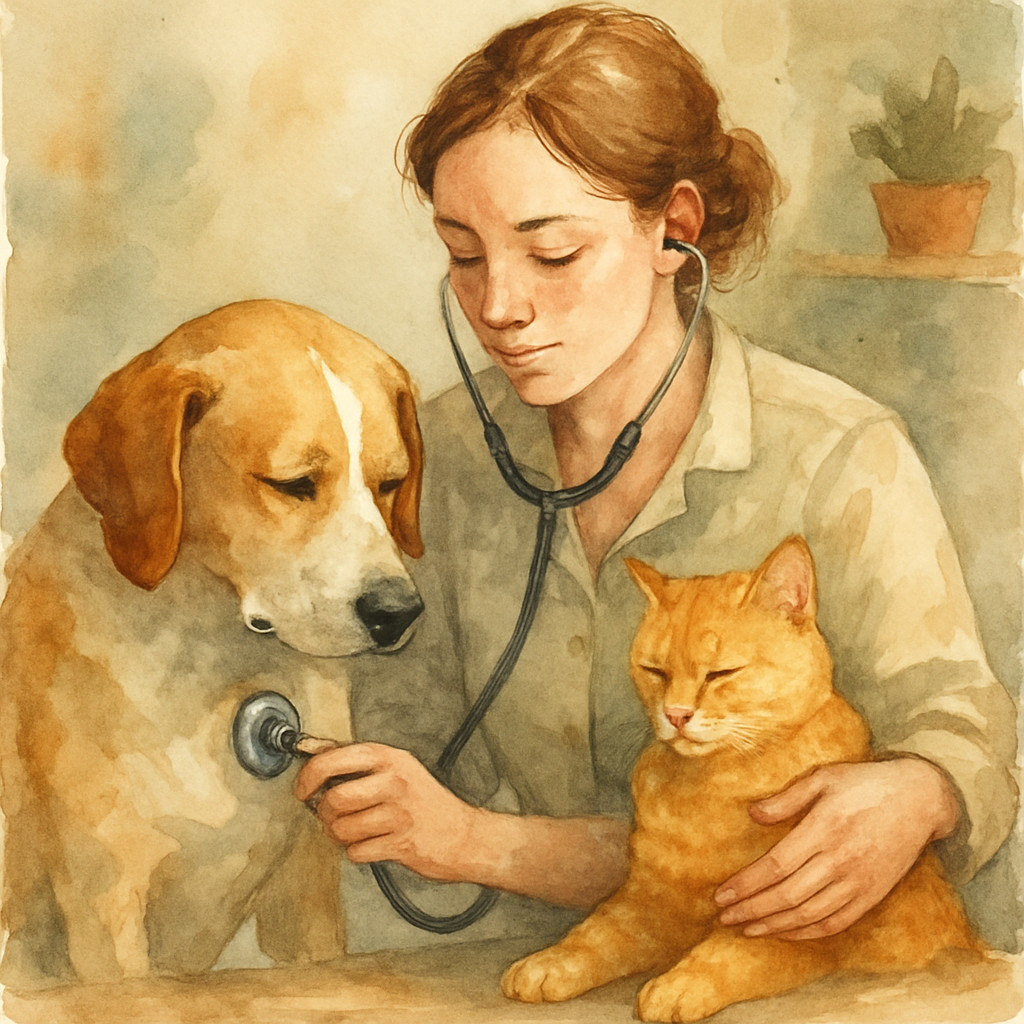
Warm ears or a hot head alone don’t diagnose fever. Confirm with a digital thermometer:
- Normal: Dogs 100.0–102.5°F (37.8–39.2°C); Cats 100.5–102.5°F (38.1–39.2°C).
- Fever: Typically above 103.0°F (39.4°C). Over 104.5°F (40.3°C) is urgent, and 106°F (41.1°C) is an emergency.
Pet fever symptoms may include lethargy, shivering, warm ears/paws, decreased appetite, and rapid breathing. If your pet has a confirmed fever or seems very unwell, contact your veterinarian.
System-by-System: Early Signs and What They Can Mean
Gastrointestinal (Stomach and Intestines)
- Early signs: soft stools, intermittent vomiting, lip smacking, drooling, gurgly stomach, reluctance to eat, eating grass, abdominal discomfort.
- Common causes: dietary indiscretion, parasites, viral/bacterial infections, pancreatitis, foreign bodies, food allergies, inflammatory bowel disease.
- What to do now:
- Offer small amounts of water; avoid sudden diet changes without guidance.
- Withhold food 6–8 hours after a single vomiting episode (unless very young or tiny breed), then offer a bland diet if your vet agrees.
- Collect a stool sample if diarrhea persists; track frequency, appearance, and any blood or mucus.
- Urgent signs: repeated vomiting, blood in stool or vomit, projectile vomiting, severe pain (crying, tense abdomen), lethargy, collapse, bloating (particularly in large, deep-chested dogs—possible bloat/GDV; emergency).
Respiratory (Nose, Throat, Lungs)
- Early signs: sneezing, mild cough, nasal discharge (clear or cloudy), occasional gagging, exercise intolerance.
- Common causes: viral/bacterial infections (kennel cough, feline upper respiratory infections), allergies, asthma (cats), heart disease, collapsing trachea, inhaled irritants.
- What to do now:
- Monitor resting breathing rate: dogs 10–30/min; cats 16–30/min. Over 30 consistently at rest or increasing—call your vet.
- Check gum color: should be pink; pale/blue/gray signals emergency.
- Avoid smoke, strong cleaners, and high-exertion play until evaluated.
- Urgent signs: open-mouth breathing in cats, labored or noisy breathing, blue/pale gums, coughing pink froth, collapse—seek immediate care.
Urinary and Reproductive
- Early signs: urinating more or less than usual, straining, frequent small puddles, accidents in house, licking genital area, strong urine odor.
- Common causes: urinary tract infections, bladder stones, kidney disease, diabetes, Cushing’s disease, urinary obstruction (especially male cats), prostate issues, uterine infection (pyometra) in unspayed females.
- What to do now:
- Observe if urine volume is truly increased or just more frequent attempts with small amounts.
- Encourage water intake and note any blood in urine.
- Collect a fresh urine sample if your vet requests it.
- Urgent signs: a cat straining in the litter box with little/no urine, crying, or repeated visits—possible life-threatening blockage; swollen/painful abdomen; vomiting with urinary signs; fever; lethargy—seek immediate care.
Skin, Ears, and Coat
- Early skin signs: itching, scratching, nibbling, hair loss, redness, dandruff, small bumps, hot spots, odor.
- Common causes: allergies (food, flea, environmental), parasites (fleas, mites), fungal/bacterial infections, endocrine disease, stress overgrooming (cats).
- What to do now:
- Check for fleas/flea dirt; use vet-recommended preventives.
- Avoid over-bathing; harsh shampoos can worsen irritation.
- Prevent self-trauma with an e-collar if scratching/chewing is severe.
Ear Infection Symptoms in Pets
- Early signs: head shaking, scratching, rubbing head on furniture, sensitivity to touch, ear odor, waxy or dark discharge, redness or swelling of the ear canal.
- Common causes: allergies, moisture after swimming/bathing, floppy ear anatomy, foreign material, ear mites (more common in kittens/young cats), bacterial or yeast overgrowth.
- What to do now:
- Do not insert cotton swabs into the canal; clean only the outer ear flap with a vet-approved cleanser.
- Schedule a vet visit—proper diagnosis (including ear cytology) directs the right medication.
- Complete the full course of treatment; stopping early can lead to recurrence.
- Urgent signs: severe head tilt, loss of balance, walking in circles, vomiting, or pain—this can signal middle/inner ear involvement and needs prompt care.
Eyes
- Early signs: redness, squinting, watery or mucous discharge, rubbing at eyes, cloudiness, light sensitivity.
- Common causes: conjunctivitis, corneal ulcers, dry eye, allergies, injury, glaucoma, infections.
- What to do now:
- Prevent rubbing with an e-collar; avoid human eye drops unless prescribed.
- If the eye is cloudy, very red, or your pet holds it closed, see a vet promptly—ulcers and glaucoma can worsen quickly.
Neurologic
- Early signs: intermittent wobbliness, mild head tilt, disorientation, behavior change, unusual pupil sizes, staring into corners, brief tremors.
- Common causes: inner ear disease, toxin exposure, spinal issues, seizures, metabolic disease (liver/kidney), high blood pressure (cats), cognitive dysfunction in seniors.
- Urgent signs: seizures, collapse, continuous circling, sudden blindness, severe disorientation—seek immediate veterinary care.
Musculoskeletal (Bones and Joints)
- Early signs: subtle limp after exercise, reluctance to jump on furniture, stiffness when rising, slipping on floors, decreased play.
- Common causes: soft tissue sprains, arthritis, hip/elbow dysplasia, cruciate ligament injury, tick-borne disease, spinal pain.
- What to do now:
- Restrict high-impact activity for several days and monitor.
- Avoid human pain meds; discuss safe anti-inflammatories or supplements with your vet.
- Provide non-slip surfaces and a supportive bed.
Dental and Oral Health
- Early signs: bad breath, tartar buildup, red gums, pawing at the mouth, dropping kibble, chewing on one side, drooling, blood on toys.
- Common causes: periodontal disease, fractured teeth, resorptive lesions (cats), oral masses, foreign bodies (sticks, bones).
- What to do now:
- Schedule a dental exam and cleaning plan; untreated dental disease causes pain and can affect heart, liver, and kidneys.
- Use vet-approved dental treats or brushing routines if recommended.
Special Considerations: Puppies, Kittens, Seniors, and Chronic Conditions
- Puppies/kittens: can decline rapidly from vomiting, diarrhea, or not eating. Even mild symptoms may be urgent. Never fast very young animals without veterinary guidance.
- Seniors: subtle changes (drinking more, stiffness, weight loss, nighttime restlessness) are common early signs of endocrine disease, arthritis pain, or organ issues—don’t ignore them.
- Chronic disease pets: if your pet has diabetes, kidney, heart, thyroid, or GI disease, small changes in appetite, thirst, or breathing can signal a flare or medication adjustment is needed.
- Brachycephalic breeds (short-nosed dogs/cats): breathing changes escalate quickly; be proactive about overheating and respiratory effort.
Common Pet Infection Signs You’ll See First
- Upper respiratory infections: sneezing, watery eyes, mild fever, reduced appetite; in cats, can progress to conjunctivitis and nasal discharge quickly.
- Skin/ear infections: itch, redness, odor, waxy or pus-like discharge, hot spots, pain on touch.
- Urinary infections: straining, frequent small urinations, accidents, licking genital area, strong-smelling urine, possible blood.
- Dental infections: foul breath, drooling, facial swelling, reluctance to eat, dropping food.
When to Take Your Pet to the Vet
Use the lists below to decide the urgency. When uncertain, call your vet for triage.
Immediate Care (Go to ER or Call Now)
- Breathing trouble: open-mouth breathing (cats), blue/pale gums, fast or labored breathing at rest, choking signs.
- Seizures, collapse, unresponsiveness, severe confusion, inability to stand.
- Suspected poisoning: xylitol, chocolate, grapes/raisins, lilies (cats), rodenticide, human medications, essential oils around cats, severe insect stings.
- Severe trauma: hit by car, high fall, bite wounds to chest/abdomen, uncontrolled bleeding.
- Bloated, tight abdomen with unproductive retching (possible GDV in dogs).
- Male cat repeatedly straining to urinate with little/no urine.
- High fever over 104.5°F (40.3°C) or any fever with profound lethargy.
Urgent (Same Day Appointment)
- Repeated vomiting or diarrhea, especially with blood or lethargy.
- Loss of appetite in pets lasting more than 24 hours; any refusal to eat in kittens/puppies.
- Sudden eye redness, squinting, cloudiness, or unequal pupils.
- Ear infection symptoms with pain, head tilt, or balance changes.
- Straining to urinate or defecate; blood in urine or stool.
- New limping, severe pain signs, or inability to bear weight.
- Foreign body ingestion, toy/string chewing (especially cats with string).
Soon (Within 1–2 Weeks)
- Mild, intermittent cough/sneeze without distress, normal appetite and energy.
- Gradual weight loss or gain, increased thirst/urination, mild stiffness, or skin itch without open sores.
- Bad breath, tartar, mild drool, or dropping kibble without facial swelling.
What You Can Safely Do at Home
- Hydration: Offer fresh water or ice chips; consider a pet water fountain for cats. For mild GI upset, ask your vet about bland diet options.
- Rest and comfort: Provide a quiet, warm space with easy access to litter box or yard. Use non-slip rugs for stability.
- Monitoring: Keep a simple log—food/water intake, urination/defecation, vomiting/diarrhea events, breathing rate at rest, temperature if measured.
- Prevent injury: Use an e-collar to stop scratching/chewing. Confine if wobbly to prevent falls.
- Do not give human medications without veterinary approval—ibuprofen, acetaminophen, naproxen, and decongestants can be fatal to pets.
- Call sooner, not later if symptoms persist, worsen, or you’re worried—early treatment is usually simpler and less costly.
How to Prepare for a Vet Visit
- Bring a list of symptoms with timing, frequency, and any changes in appetite, water intake, urination, or behavior.
- Note all foods, treats, chews, plants, and medications/supplements your pet received recently.
- Bring fresh stool/urine samples if relevant, and photos/videos of symptoms (coughing, limping, seizures, breathing while resting).
- Know your pet’s baseline: normal appetite, energy, litter box schedule, and behavior patterns.
Real-World Examples of Early Signs You Shouldn’t Ignore
- Cat skipping meals and hiding: Even 24 hours without eating can be risky for cats. Hiding plus reduced appetite may indicate dental pain, nausea, or fever—call your vet the same day.
- Dog drinking more and peeing more: This pair of symptoms can signal diabetes, Cushing’s disease, kidney issues, or uterine infection (unspayed female). Schedule an exam and lab work soon.
- Head shaking with ear odor: Classic ear infection symptoms in pets. Early care prevents deeper ear involvement and balance problems.
- Nighttime restlessness in a senior dog: Could be pain, cognitive changes, or increased urination from endocrine or kidney disease—worth a timely checkup.
- Cat breathing faster at rest: A resting rate over 30–35/min consistently can signal heart or lung disease—seek prompt evaluation.
Pet Illness Symptoms Guide: Species Differences
- Cats hide pain exceptionally well; changes may be subtle: less jumping, decreased grooming, smaller meals, or litter box avoidance.
- Dogs often show pain by limping, slowing down on walks, or seeking attention; GI signs after scavenging are common.
- Grooming and coat: Cats that stop grooming may be painful or nauseated; dogs may overgroom itchy areas leading to hot spots.
- Litter box vs yard: Increased trips with small clumps in cats often indicate urinary irritation; dogs may ask to go out frequently or have house accidents.
Common Myths That Delay Care
- “He’s just tired.” A sudden drop in energy without a clear reason can be an early warning sign—monitor and call if it persists.
- “Warm nose means fever.” Nose temperature isn’t reliable; use a thermometer.
- “If she’s still eating, it’s not serious.” Many pets eat through serious illness; look at the whole picture.
- “Ear infections go away on their own.” Most need medication based on ear cytology to resolve and prevent recurrence.
- “Human pain meds are fine in small amounts.” False—some are deadly to pets even at low doses.
Prevention Tips to Reduce Common Illnesses
- Vaccinate per your vet’s schedule to prevent infectious diseases.
- Parasite control: year-round flea, tick, and heartworm prevention where recommended.
- Routine screening: annual or semiannual exams, bloodwork, and urine tests for seniors.
- Weight and diet: maintain a healthy body condition; measure meals and limit high-fat table scraps.
- Dental care: regular professional cleanings and home care as advised.
- Environment: reduce stress for indoor cats (vertical space, hiding spots, multiple litter boxes); safe, regular exercise for dogs.
FAQ
How do I know if my pet has a fever?
Use a digital rectal or pet-appropriate thermometer. Normal is about 100.0–102.5°F for dogs and 100.5–102.5°F for cats. Over 103°F is usually a fever. If you suspect fever and your pet seems unwell, call your vet.
When should I worry about loss of appetite in pets?
If your dog or cat skips more than one meal, call your vet—especially if there are other symptoms. For kittens, puppies, and very small breeds, even a single missed meal can be risky.
What are the most important early signs of pet sickness?
Changes in appetite, thirst, urination, stool, energy, breathing, and behavior are key. Ear, eye, and mouth changes also signal common problems that are easier to treat early.
Which pet pain signs are easiest to miss?
Cats that stop jumping or grooming, dogs that slow down on walks, and pets sleeping more than usual. Subtle posture changes, reluctance to be touched, or hiding are meaningful.
Can I treat an ear infection at home?
You can gently clean the ear flap with a vet-approved cleanser, but medication should be prescribed after your vet identifies yeast, bacteria, or mites. Avoid inserting swabs into the ear canal.
What should I bring to the vet for GI issues?
A symptom timeline, a fresh stool sample, details on diet/treats/chews, and videos of vomiting or abdominal postures. Note exposure to trash, plants, or toxins.
The Bottom Line
Trust your instincts—if your pet just “isn’t right,” that is valuable information. Track changes, use this pet illness symptoms guide to recognize warning signs of sick pets, and call your veterinarian early. Prompt care leads to better outcomes and a faster, more comfortable recovery.
Urgent or serious concern? Contact your veterinarian or an emergency clinic right away. Never delay if breathing is difficult, your pet can’t urinate, has repeated vomiting, shows severe pain, or you suspect poisoning.