Behavior Correction for Pets: How to Fix Common Problems Without Making Them Worse
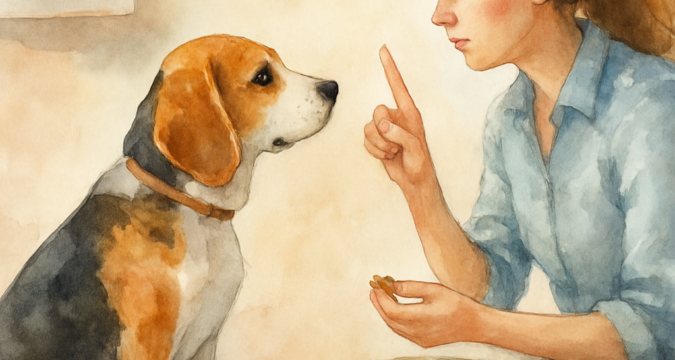
Behavior correction for pets works best when it’s strategic, humane, and based on how animals actually learn. Whether you live with a boisterous dog, a timid cat, a chatty bird, or a nibbling small pet, the key is to guide the behavior you want while preventing the behavior you don’t. This article gives you a no-nonsense system to diagnose what’s driving problem behaviors and a step-by-step plan to fix them without backfiring.
Quick safety note: If your pet shows sudden behavior changes, severe fear, bites or breaks skin, injures themself, or seems ill or in pain, contact your veterinarian or a certified behavior professional promptly. Medical issues can look like behavior problems, and urgent or serious concerns should be handled hands-on by qualified experts.
What Behavior Correction Really Means
“Correction” doesn’t have to mean punishment. In modern training, behavior correction for pets means identifying what triggers the unwanted behavior, preventing rehearsals of that behavior, and heavily reinforcing an alternative that meets the same need in a better way. We’re not just stopping something; we’re teaching what to do instead.
Three core ideas explain almost every pet behavior you see:
- ABC Model:
- Antecedent: What happens right before the behavior (e.g., doorbell rings).
- Behavior: What the pet does (e.g., barking, scratching, jumping).
- Consequence: What happens right after (e.g., attention, access, noise stops), which makes the behavior more or less likely next time.
- Reinforcement makes a behavior more likely. Reinforcers can be food, toys, attention, access to outside, or the removal of something uncomfortable (like pressure on a leash).
- Function of the behavior: Behavior isn’t “spite.” It serves a purpose (get something, avoid something, communicate). If you understand the function, you can replace it with a better behavior.
When people rely on punishment (yell, spray, shock, jerk), two things often happen: the underlying need remains, and the fear or frustration grows. That’s how simple issues become difficult ones. Effective correction protects welfare, builds trust, and fits how pets learn best.
Golden Rules to Avoid Making Problems Worse
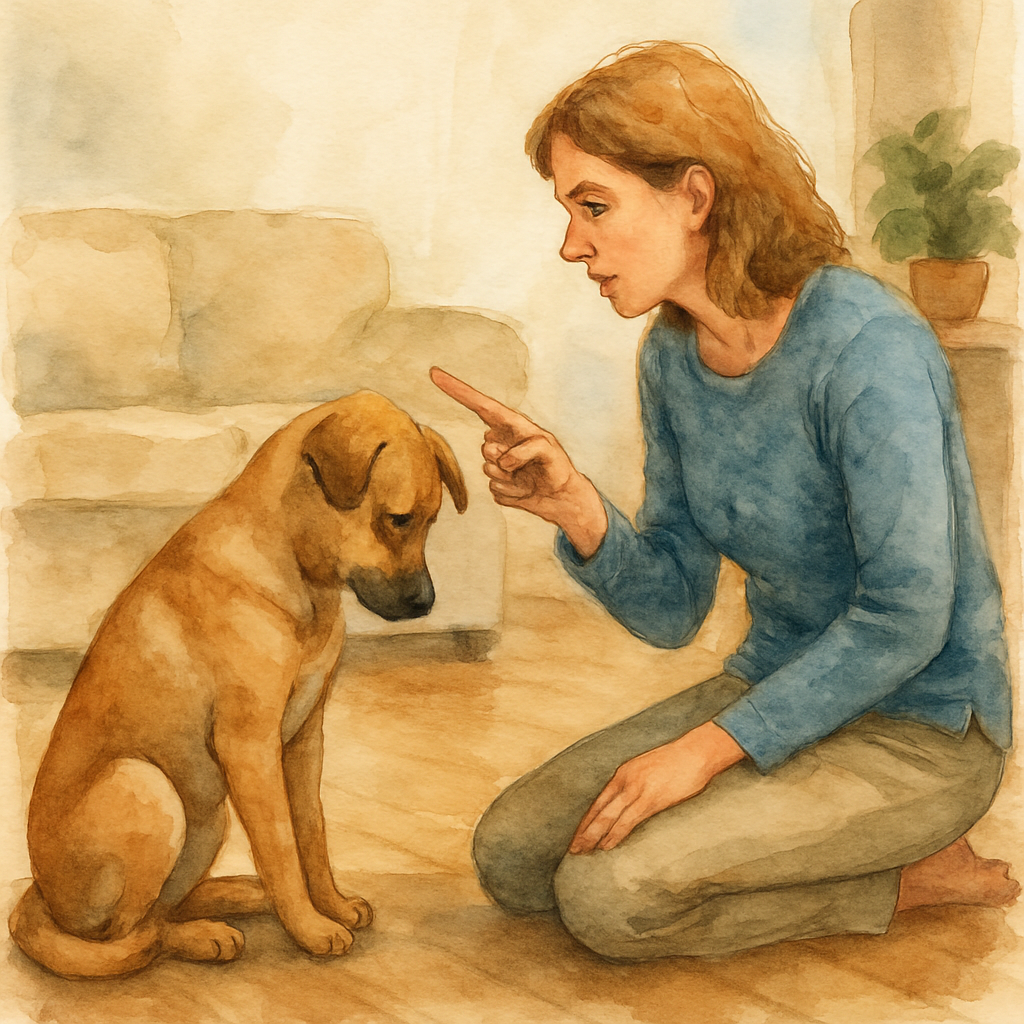
- Start with management. Prevent the unwanted behavior now (gates, leashes, crates, tethers, covered windows, litter box upgrades). Every repetition builds a habit.
- Reinforce what you want, not what you don’t. Catch good choices and pay them generously.
- Use humane equipment. Favor front-clip harnesses, head halters (introduced slowly), crates as safe dens, and pheromone diffusers for cats. Avoid aversive collars and punishment-based tools that increase fear or aggression.
- Split, don’t lump. Break skills into tiny, winnable steps to prevent frustration.
- Control criteria. Increase difficulty one variable at a time: duration, distance, distraction, or intensity—but not all at once.
- Consistency beats intensity. Five minutes twice daily often outperforms a single hour on weekends.
- Mind the emotional state. A scared or overstimulated pet can’t learn well. Keep them under threshold where they can still take food and focus.
- Check the health. Pain, GI upset, dental disease, UTIs, thyroid issues, and more can cause or worsen behavior problems.
Quick Diagnostic: Training, Management, Health, or Environment?
Use this fast triage to decide your first move:
- Could pain or illness be involved? Sudden changes, sensitivity to touch, accidents in a previously house-trained pet, increased irritability, or decreased interest in play/eating warrant a veterinary exam.
- Is the environment triggering it? Loud street noise, visible animals outside, lack of resting spots, too few litter boxes, or boredom are common culprits.
- Is it a skill deficit? If your pet has never been taught what to do, they’ll guess. Teach a clear alternative behavior and reinforce it.
- Can you manage it now? Block practice opportunities while you teach new skills: close blinds, use baby gates, confine during deliveries, provide legal chew/scratch outlets.
Safety and Welfare First
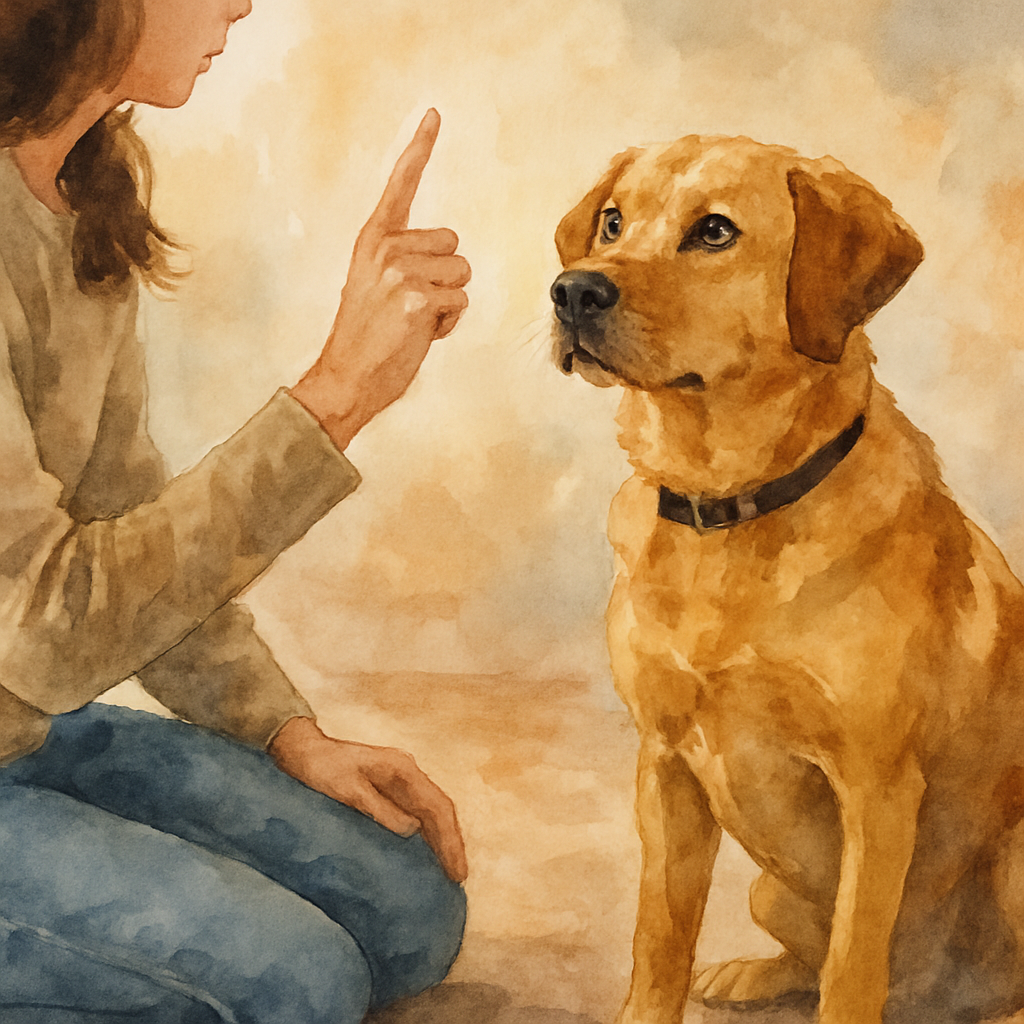
For medical or safety concerns, err on the side of caution. If you’re facing aggression, long-standing separation distress, or sudden changes, consult your veterinarian and a qualified trainer or veterinary behaviorist. If there’s any chance of injury, use management (muzzles trained positively for dogs, separation of pets, safe rooms) and keep sessions brief and controlled.
Step-by-Step Behavior Change Plan (5-Part Template)
Use this repeatable blueprint for nearly any behavior issue.
- Baseline and define the behavior.
- Describe it objectively: “Barks 10–15 times when doorbell rings,” not “being naughty.”
- Log when it happens, what happens right before, and what the pet gets after (attention, space, escape, etc.).
- Record intensity (1–5), duration, and your pet’s body language.
- Immediate management.
- Prevent rehearsals: cover windows, use harness and short leash indoors, block access to problem rooms, add litter boxes, provide chews and enrichment.
- Protect your pet’s emotional state and your household while you train.
- Teach an alternative behavior that serves the same function.
- Example: Dog who jumps to get attention learns “Sit to say hi.” Cat who scratches sofa gets a cat tree placed right where they like to scratch.
- Desensitization and counterconditioning (DS/CC) for triggers.
- Desensitization: Present the trigger at a level your pet can handle without reacting, then gradually increase.
- Counterconditioning: Pair the trigger with something wonderful (super treats, play), changing the emotional response from “uh-oh” to “oh yay.”
- Generalize, proof, and maintain.
- Practice in new rooms, times of day, and with varied people or contexts. Slowly reduce food rewards by switching to life rewards and a variable schedule.
Common Problems and How to Fix Them
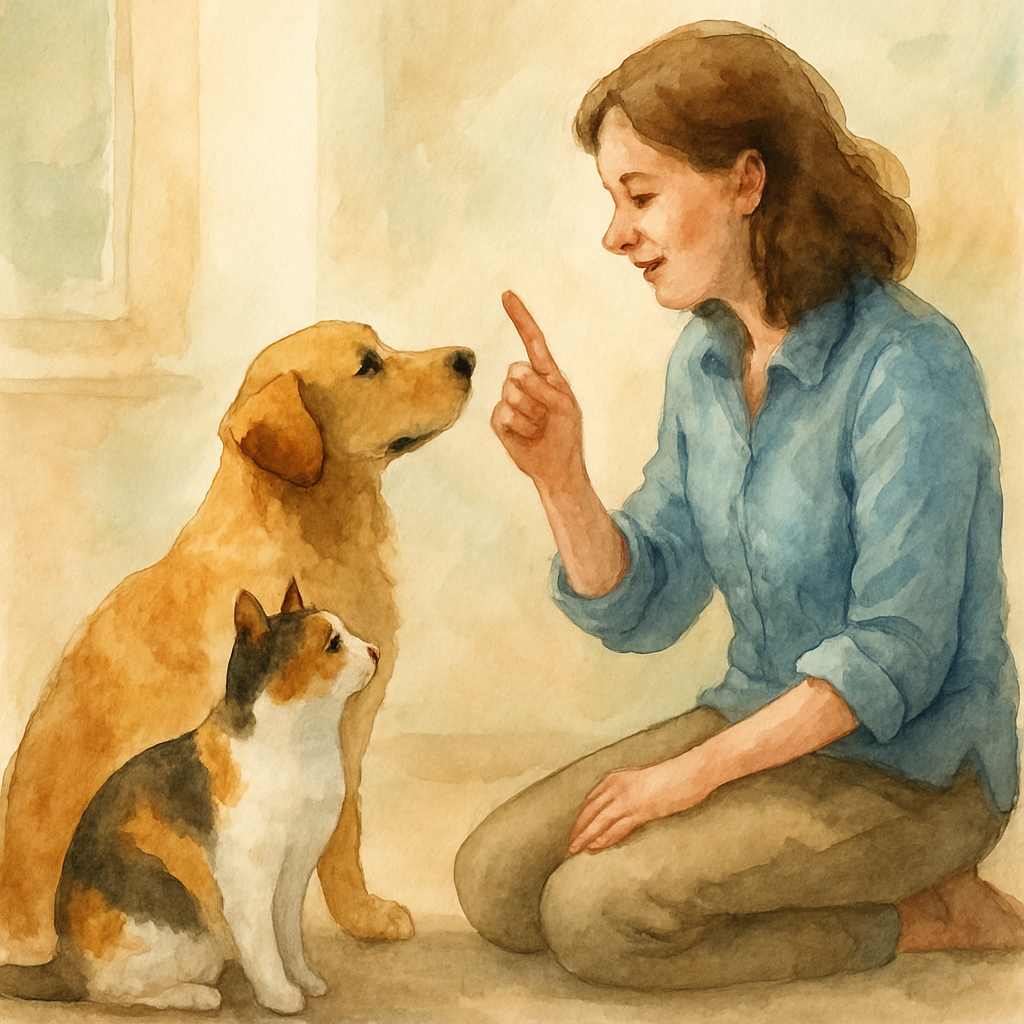
Leash Pulling (Dogs)
Why it happens: Forward motion is inherently rewarding; pulling gets dogs to smells faster. Tight leashes can also create opposition reflex, making them pull harder.
Management: Use a well-fitted front-clip harness. Choose low-distraction areas while you teach. Shorten walks on days when arousal is high; swap in sniffaris or backyard foraging.
Teach this instead: “Walk with me” or “Loose leash” with a clear position near your side.
- In a quiet area, mark and reward for being by your side while you stand still. Feed where you want the head to be.
- Take one step; if the leash stays slack, mark and feed. Gradually add steps between rewards.
- When the leash tightens, stop moving. Wait for slack or lure back gently one time, then reinforce the return. Avoid jerking.
- Use “cookie scatters” on grass to reset focus and reduce arousal.
Common mistakes: Speeding up when the dog pulls (accidentally reinforcing) and practicing near heavy distractions too soon.
Progress markers: Slack leash for 10 steps in your driveway, then 30, then to the corner, then around the block.
Jumping Up on People (Dogs)
Why it happens: Dogs jump to greet face-to-face. Any touch or talk can reinforce it.
Management: Use a leash before guests enter. Ask visitors to ignore jumps. Station a mat near the door.
Teach this instead: Sit-for-greetings.
- Practice sits with high-value rewards in calm contexts until automatic.
- At door practice, approach the guest only while all four paws are on the ground or your dog is sitting. Mark and reward. If they jump, step back quietly and wait. Advance only when paws are down.
- Teach a “go to mat” cue for arrivals; pay generously on the mat with a scatter of treats.
Common mistakes: Pushing the dog off (feels like play), or yelling (attention). Inconsistent visitor rules.
Excessive Barking (Dogs)
Why it happens: Alerts, boredom, frustration, fear, or barrier frustration. Identify the function.
Management: Cover sightlines, play white noise, enrich the environment, and reduce rehearsal of trigger events.
Teach this instead: “Quiet” through DS/CC or “Look at That” game.
- Start below threshold. When your dog notices the trigger but isn’t barking, mark and treat. Over time, the trigger predicts rewards, reducing intensity.
- Train an incompatible behavior like going to a bed when hearing the doorbell. Pair the bell with treat scatters on the bed.
Vet check: Rule out cognitive decline, pain, or hearing/vision changes in older dogs.
House Soiling (Dogs and Cats)
Why it happens: Incomplete training, anxiety, substrate preference, medical issues (UTIs, GI upset), or litter box aversion in cats.
Management for dogs: Supervise or confine when you can’t watch. Take out on a schedule after sleep, play, and meals. Reward immediately after elimination outdoors (within 2 seconds).
Training: Use a regular feeding schedule and water access routines. Clean accidents with enzymatic cleaner. Interrupt gently if you catch them mid-act (no scolding), then guide outside and reward.
Management for cats: Provide at least one litter box per cat plus one extra, in different quiet locations. Use unscented, soft clumping litter. Keep boxes large and clean (scoop daily, wash weekly).
When to see the vet: Any sudden change, straining, blood, frequent small urinations, or vocalizing can be urgent.
Destructive Chewing (Dogs) or Scratching (Cats)
Why it happens: Puppies explore with mouths; adult dogs may chew from boredom or anxiety. Cats scratch to stretch, maintain claws, and mark territory.
Management: Dog-proof areas; provide chew stations with a variety of legal chews. For cats, place scratching posts where they already scratch; offer both vertical and horizontal options.
Training:
- Dogs: Trade-up games to teach drop/leave cues. Reinforce calm chewing on designated items. Use food-stuffed toys when you want rest time.
- Cats: Reward with treats or play when they use the post. Add catnip or silvervine to posts. Use double-sided tape or furniture guards on off-limits areas.
Separation Distress (Dogs)
Why it happens: Anxiety when left alone. True separation anxiety is an emotional disorder, not a training failure.
Management: Avoid absences beyond the dog’s comfort while you work the plan. Use pet sitters or day care temporarily. Provide calming background sounds and enrichment.
Training: A gradual desensitization plan starts with absences so short the dog stays calm, then builds duration slowly. Pair pre-departure cues with neutral or positive experiences. Many cases benefit from professional guidance.
Vet collaboration: Medication or supplements may be appropriate. Seek veterinary input.
Resource Guarding (Dogs and Cats)
Why it happens: Guarding protects valued items or spaces. Punishment can escalate guarding and bites.
Management: Avoid reaching, chasing, or forcibly taking items. Set up trade and exchange routines. Feed pets separately; give high-value chews in quiet zones.
Training: “Drop” and “give” with trade-ups. Approach-and-toss: walk by at a safe distance, toss a better treat, and keep walking. Over time, your approach predicts something better, reducing tension.
Safety: If there’s growling, snapping, or biting, work with a qualified professional.
Litter Box Avoidance (Cats)
Why it happens: Pain, stress, box aversion, substrate or location preference.
Checklist:
- Vet exam to rule out UTIs, stones, arthritis, constipation.
- Boxes: 1 per cat + 1 extra, multiple locations, large and uncovered.
- Litter: unscented, fine-grain clumping; depth 2–3 inches; scoop daily.
- Location: quiet, easy access, far from food/water.
- Stress: vertical perches, hiding spots, predictable routines, pheromone diffusers.
Training: If a cat prefers a certain surface, offer a box with that surface and gradually blend to your preferred litter.
Overgrooming or Self-Mutilation (Cats, Birds, Small Pets)
Why it happens: Often medical (skin allergies, parasites, pain) or stress-related. For birds, feather destructive behavior can relate to nutrition, lighting, boredom, or anxiety.
Action: See a veterinarian first. Then address enrichment, routines, diet, and gentle DS/CC around stressors.
“Screaming” or Loud Vocalizing (Birds)
Why it happens: Social species vocalize to connect or signal needs. Attention can reinforce loud calls.
Management: Predictable attention windows, foraging toys, correct light cycles, and more sleep (10–12 hours dark, quiet).
Training: Catch and reinforce “inside voice” moments. Teach a contact call cue and respond consistently. Avoid reacting to loud calls; reward quiet immediately after a pause.
Biting or Nipping (Small Pets: Rabbits, Rodents; Also Birds)
Why it happens: Fear, pain, guarding, or learned behavior when hands predict unpleasant handling.
Management: Respect body language; avoid cornering. Offer hand-feeding at the animal’s choice. Create safe retreats and multiple exits.
Training: Pair your approach with treats. Teach stationing (target to a perch, platform, or mat). Handle in very short, positive sessions and end before stress escalates.
Tools and Treats: What Helps and What Hurts
Helpful tools:
- Front-clip harness or head halter (introduced with treats).
- Clicker or verbal marker (“Yes!”) for precise timing.
- Baby gates, crates/x-pens, tethers for management (crate should be a safe, positive space).
- Long lines for safe decompression walks.
- Puzzle feeders, snuffle mats, lick mats, stuffed Kongs, and chew stations.
- For cats: sturdy scratching posts, window perches, hideaways, vertical spaces, interactive toys, puzzle feeders, pheromone diffusers.
- For birds: foraging toys, variable perches, safe chew materials, proper lighting.
Avoid or use caution:
- Shock, prong, and choke collars, leash jerks, alpha rolls, or yelling—these increase fear and often worsen aggression.
- Spray bottles for cats—can create anxiety and damage trust without solving the underlying reason.
Reinforcement Schedules and Fading Food Lures
Food kick-starts learning because it’s fast and clear. That doesn’t mean you’ll always need a treat in hand.
- Phase 1: Teach with continuous reinforcement (reward every correct rep). Use a visible lure if needed, then fade it quickly by removing it from your hand and rewarding from a pouch.
- Phase 2: Build reliability by rewarding most correct responses and starting short sequences (two behaviors, one reward).
- Phase 3: Maintain with a variable schedule (sometimes a treat, sometimes praise, play, sniff time, or access to a favored location). Variability makes behaviors resilient.
- Life rewards matter: opening the door, permission to greet, throwing a toy, or releasing to sniff counts as reinforcement.
Socialization and Enrichment as Prevention
Many “problems” are unmet needs. Enrichment outlets reduce frustration and anxiety, making training easier.
- Dogs: Sniff-heavy walks, decompression time in low-traffic areas, chew sessions, training games, and social contact with compatible dogs (if your dog enjoys it).
- Cats: Play that mimics hunting (stalk-chase-pounce), vertical climbs, window views, puzzle feeding, and quiet safe zones.
- Birds: Foraging, shredding toys, supervised out-of-cage time, and consistent daylight/dark cycles.
- Small mammals: Hideouts, tunnels, chew options, digging boxes, and gentle, choice-based handling.
Behavior Correction in Multi-Pet Households and with Children
- Resource control: Separate feeding areas; pick up bowls after meals. Provide multiple resting spots and litter boxes.
- Structured introductions: Use barriers at first; reward calm looks. Keep sessions short and positive. Avoid forcing proximity.
- Teach kids pet body language: No hugging, chasing, or grabbing. Let pets approach instead of reaching in. Create kid-free safe zones for pets.
- Individual training: Work with one pet at a time to prevent competition and confusion.
When to Seek Professional Help
Call your veterinarian and a credentialed trainer or veterinary behaviorist if you observe any of the following:
- A bite that breaks skin, repeated near-bites, or escalating aggression.
- Severe fear, panic, or self-injury.
- Persistent separation anxiety, noise phobias, or compulsive behaviors.
- Litter box issues that don’t resolve with environmental changes.
- Any behavior change that appears suddenly or after illness, injury, or stressful life events.
Sample 4-Week Behavior Correction Plan
Use this as a template; swap the specific behavior and alternative according to your case.
Goal Example: Reduce doorbell barking and teach “Go to bed.”
Week 1: Foundation and Management
- Set up management: cover front window, play white noise, and have treats staged near the door and the bed.
- Teach “bed” cue: lure onto bed, mark, feed 5–10 treats one by one on the bed. Release with a cue and repeat in 3–5 short sessions daily.
- Build duration on the bed to 10–20 seconds with intermittent treats.
- Log barking frequency and duration this week to get a baseline.
Week 2: Introduce Low-Level Triggers
- Play a very soft doorbell sound. Immediately cue “bed” and jackpot on the bed. Turn sound off while feeding.
- Gradually increase volume only if your dog remains under threshold (will take treats and stay on the bed).
- Add a knock at a low volume or a pretend approach; pair with “bed.”
Week 3: Realistic Practice and Generalization
- Have a household member ring the real bell once, then step away. Cue “bed,” feed a scatter on the bed, and keep sessions brief.
- Vary time of day and your distance from the bed.
- Practice one “surprise” drill per day; the rest are planned and easy wins.
Week 4: Proofing and Maintenance
- Invite a familiar friend to do a real arrival. Dog goes to bed before the door opens; friend enters only when your dog is settled.
- Fade food to a variable schedule. Start using life rewards: door opens only when on the bed.
- Update your log; you should see reduced barking frequency and quicker recovery times.
Tracking Progress: Logs and Metrics
Data keeps training honest and motivating. Track:
- Frequency: How many times per day/week does the behavior occur?
- Intensity: Rate 1–5. Are reactions getting milder?
- Duration: How long until calm returns?
- Context: What triggers are hardest? Are new environments improving?
- Reinforcers: Which rewards work best today? Rotate to prevent satiation.
Set simple milestones, like “loose leash for 30 seconds in the backyard,” “two greet-sits in a row at the door,” or “zero off-litter accidents this week.” Celebrate each checkpoint.
Frequently Asked Questions
Is it ever okay to punish my pet?
Harsh punishment (yelling, hitting, shock) risks fear, anxiety, and aggression and usually fails to teach a better alternative. If you use “negative punishment,” such as calmly removing attention when a dog jumps, immediately follow up by reinforcing the correct behavior (sit). Prioritize prevention, teaching, and reinforcement.
How long will behavior correction take?
Simple skills (loose leash, sit for greeting) can improve within days to weeks if practiced consistently. Emotional behaviors (separation anxiety, reactivity, resource guarding) often take weeks to months and may require professional support and veterinary input.
What if my pet won’t take treats during training?
They may be over threshold, not hungry, or dislike the options. Lower the difficulty, try higher-value rewards (soft, smelly), use play or access to environment as reinforcement, and train at times they’re more receptive.
Can older pets learn new behaviors?
Yes. Learning remains possible throughout life. For seniors, adjust session length, use softer treats, and check for pain or sensory changes that affect training.
My cat scratches the couch even with a scratching post. What now?
Place the post exactly where the cat scratches, anchor it to prevent wobble, and entice with catnip or play. Reinforce every use of the post with praise and treats. Block the couch area temporarily with furniture guards or tape while you build the new habit.
Will a head halter or front-clip harness fix pulling by itself?
These tools help manage and reduce pulling but don’t replace training. Pair them with loose-leash practice and reinforcement for walking near you.
How do I prevent my training from becoming “treat dependent”?
Fade visible lures early, switch to variable reinforcement, and make life rewards (sniffing, greeting, access) part of your plan. Keep occasional jackpots to maintain enthusiasm.
When should I call the vet?
Any sudden behavior change, pain signs, elimination issues, or severe anxiety and aggression warrant a veterinary exam. For urgent or serious concerns, seek professional help right away.
Key Takeaways
- Behavior correction for pets is most effective when it combines management, positive reinforcement, and stepwise exposure to triggers.
- Prevent rehearsals of unwanted behaviors while you teach clear alternatives that meet the same need.
- Work under threshold, control criteria, and keep sessions short and consistent.
- Prioritize welfare: avoid aversive tools and check for medical issues.
- Track progress with simple metrics and celebrate small wins.
- Seek professional and veterinary help early for serious, emotional, or safety-related issues.
With a thoughtful plan and humane methods, you can replace chaotic moments with predictable routines and satisfying, species-appropriate behaviors—improving life for you and your pet without making the problem worse.