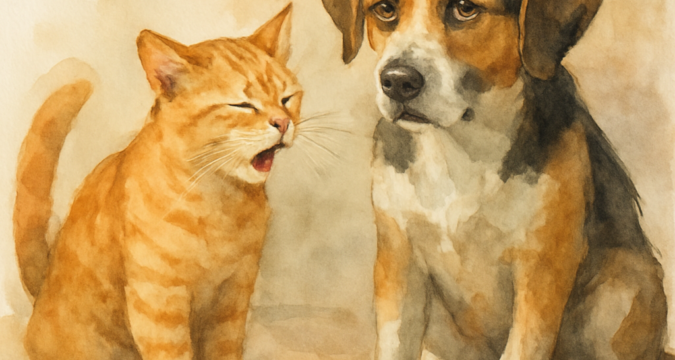
Coughing and Sneezing in Pets: Allergy, Infection, or Emergency?
Coughing or sneezing can be normal reflexes in dogs and cats—but they can also be early signs of illness in pets. The challenge for pet parents is knowing when these sounds are harmless, when they point to allergies or a minor irritant, and when they signal a contagious respiratory infection in pets or even an emergency. This practical guide shows you how to triage symptoms at home, what information to note before calling your veterinarian, and which treatments and prevention steps make the most difference.
Quick Triage: Is It an Emergency Right Now?
Before anything else, decide whether your pet needs urgent care. Seek emergency veterinary help immediately if you notice any of the following:
- Severe breathing effort: heaving sides, head and neck stretched out, open-mouth breathing (especially in cats), or wheezing that doesn’t stop
- Blue, gray, or very pale gums or tongue
- Continuous, unproductive coughing fits, coughing up pink/frothy fluid, or fainting/collapse
- Foreign object suspicion (chewed stick, bone shard, grass awn) or sudden choking
- High fever (≥104°F / 40°C) with profound lethargy in dogs and cats
- Rapid breathing at rest: consistently over ~40 breaths per minute while sleeping or very relaxed
- Known heart disease, heartworm risk, or recent toxin exposure
Caution: If you are worried your pet is in distress, call your veterinarian or the nearest emergency clinic now. Delays can be dangerous with breathing problems.
Allergy, Infection, or Something Else? How to Tell
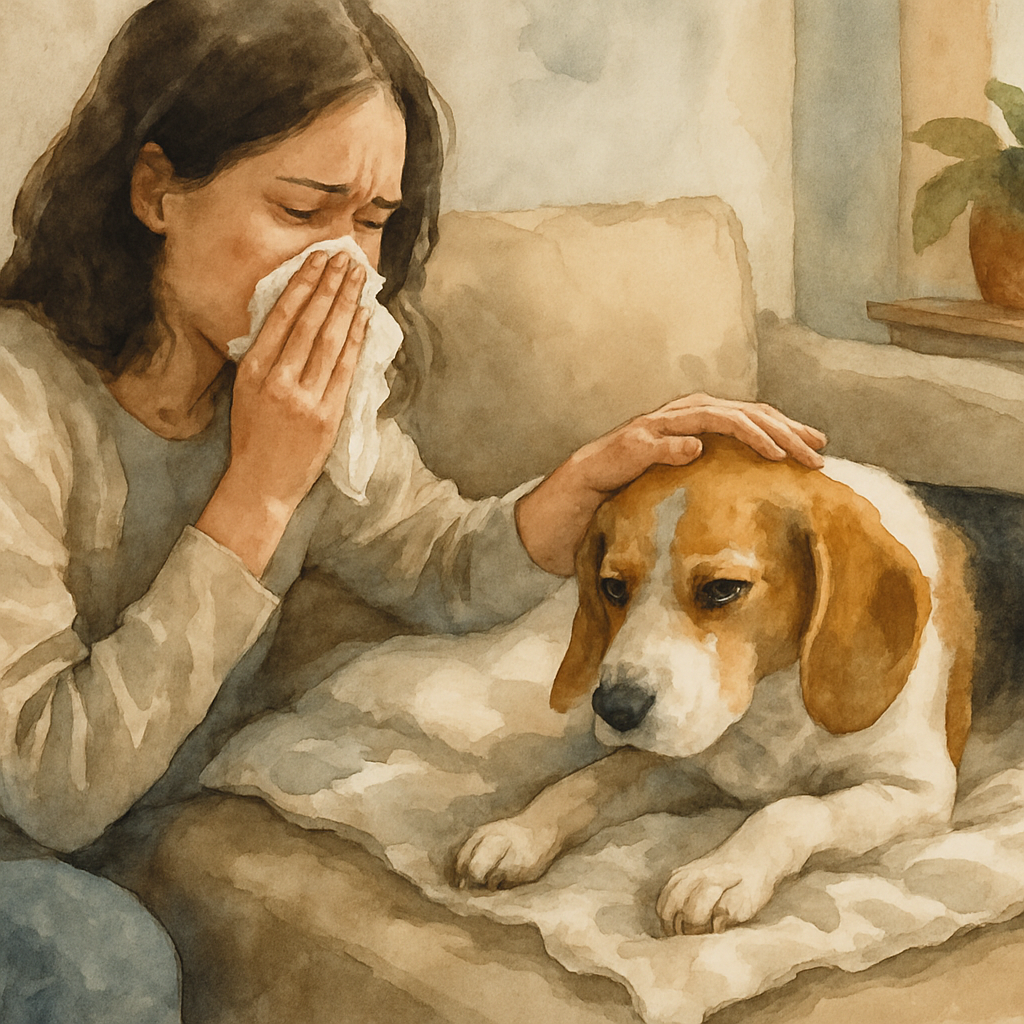
Many different conditions can cause coughs or sneezes. Think about timing, triggers, and accompanying symptoms to narrow it down.
Allergies and Irritants
Allergies and irritant exposures are common reasons for sneezing and occasional coughing, especially in spring and fall or in dusty, smoky, or fragranced environments.
- Typical clues: watery eyes, clear nasal discharge, frequent face rubbing, and itching and scratching causes in pets (pollen, dust, mold, household cleaners, perfumes, smoke)
- Usually: normal energy, normal appetite, symptoms fluctuate with environment
- Less common in cats than in dogs for coughing; cats more often sneeze with allergies/irritants
Help your vet by noting patterns: Does sneezing spike after yard time or house cleaning? Did you change litter, detergents, candles, or air fresheners? Reducing triggers often reduces symptoms.
Upper Respiratory Infection (URI)
A respiratory infection in pets is especially common in shelter-adopted cats and social dogs (daycare, boarding, dog parks). These infections can be viral, bacterial, or mixed.
- Cats: feline herpesvirus, calicivirus, and bacterial coinfections often cause sneezing, nasal/eye discharge, mouth ulcers, fever, and decreased appetite
- Dogs: “kennel cough” complex (e.g., Bordetella, parainfluenza, adenovirus) often causes a dry, honking cough and gagging; some dogs also have nasal discharge
- Contagious: isolate sick pets from others and wash hands, bowls, and bedding
- Common pet infection signs to watch: fever, thick yellow/green discharge, lethargy, and loss of appetite in pets
Lower Airway Disease and Asthma
Lower airway inflammation can cause cough, wheeze, and fast or effortful breathing.
- Cats: feline asthma often shows episodic coughs (sometimes misread as hairballs), wheeze, and effortful breathing
- Dogs: chronic bronchitis tends to cause a persistent cough that worsens with excitement or exercise
- Triggers: dust, smoke, aerosols, stress, cold air
Heart Disease and Heartworm
A persistent cough—especially in middle-aged to older dogs—may reflect heart enlargement or fluid buildup. In heartworm-endemic areas, chronic cough and exercise intolerance are red flags.
- Clues: slower onset, worse after activity, potential fainting spells in advanced cases
- Testing: chest X-rays, echocardiogram, and heartworm testing (dogs; cats can be harder to test)
Foreign Bodies, Dental/Nasal Issues, and Polyps
Occasional violent sneezes or coughing after chewing sticks or running through tall grass can indicate a foreign object. Dental infections, nasal tumors, or polyps can also cause one-sided nasal discharge, nosebleeds, bad breath, or chronic sneezing.
- Clues: sudden onset after outdoor play or chewing; one-sided nasal discharge; blood-tinged mucus; facial pawing
- Action: foreign bodies and masses are not DIY; prompt veterinary attention is important
Parasites and Less Common Causes
Parasites in pets symptoms can include respiratory signs too. Nasal mites, lungworms, and migrating larvae may trigger coughs or sneezes.
- Clues: exposure to wildlife, raw prey, or contaminated water; outdoor cats who hunt
- Action: targeted dewormers and preventives; your vet may request fecal testing or specialized parasite tests
At-Home Check: What to Observe Before You Call the Vet
These details help your veterinarian assess urgency and likely causes:
- Breathing rate at rest: count chest rises for 30 seconds while sleeping; double the number; normal is usually under 30–35 breaths/min
- Breathing effort: using belly muscles, flaring nostrils, or neck extension suggests more serious trouble
- Nasal/eye discharge: clear vs. colored (yellow/green), one-sided vs. both sides
- Cough description: dry/honking vs. wet/productive; triggers (excitement, leash pressure, exercise, lying down)
- Appetite and drinking: note any loss of appetite in pets or increased thirst
- Energy: degree of lethargy in dogs and cats or intolerance to exercise
- Temperature: if you can safely take a rectal temperature, normal is about 100–102.5°F (37.8–39.2°C)
- Exposure history: new animals, boarding/daycare, shelter/rescue origin, recent travel, smoke/dust/fragrances
- Preventives and vaccines: current on respiratory vaccines (Bordetella, parainfluenza, influenza for dogs; FVRCP for cats) and parasite prevention
Also assess hydration. Common dehydration signs in pets include tacky gums, sunken eyes, reduced skin elasticity (tenting), and lethargy. Dehydration is more likely if your pet has fever or isn’t eating/drinking well.
What You Can Safely Do at Home (While You Arrange Care)
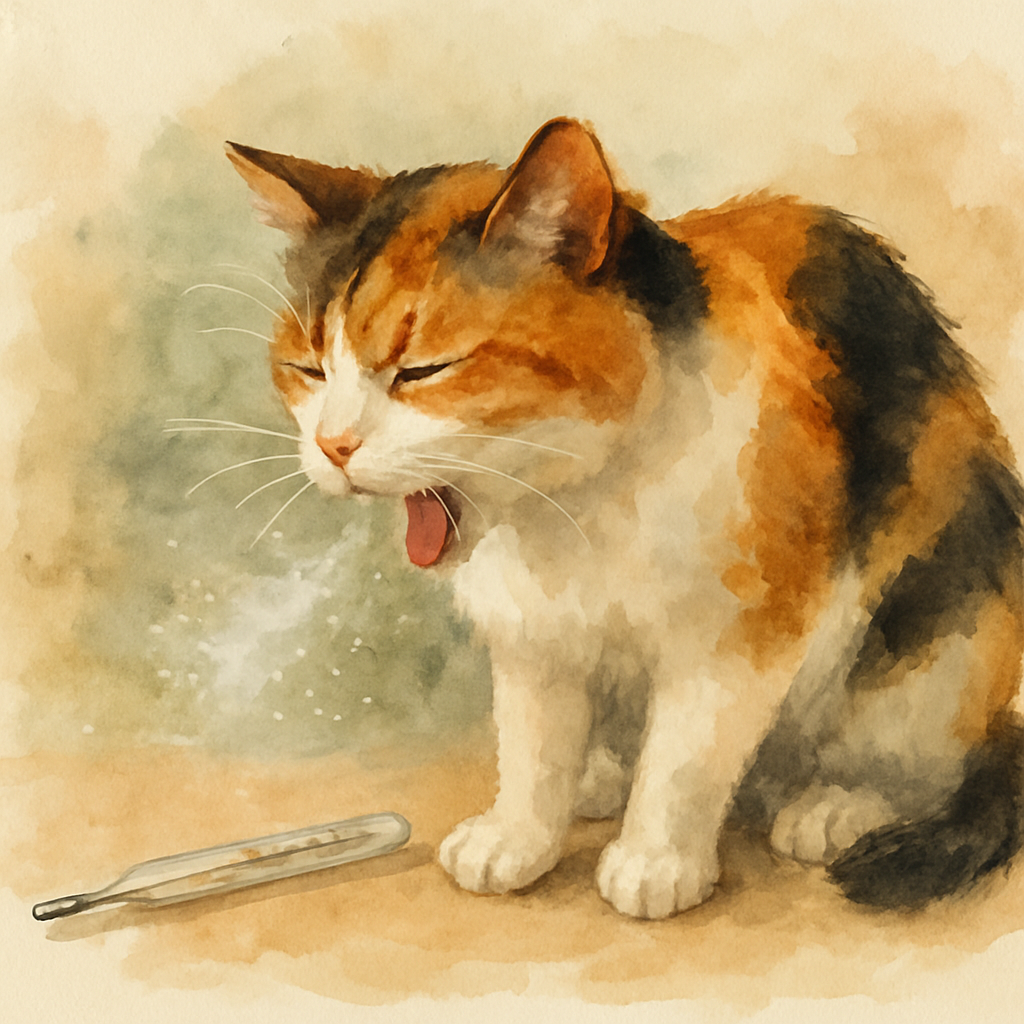
- Provide a calm, warm, well-ventilated room and use a cool-mist humidifier to ease airway irritation
- Wipe nasal/eye discharge with a warm, damp cloth to keep airways clear
- Offer soft, smelly foods to encourage eating; small frequent meals if appetite is low
- Limit vigorous exercise until coughing has resolved per your vet’s guidance
- Isolate sick pets from other pets; wash bowls, bedding, and hands to reduce spread
- Avoid human over-the-counter cough/cold medicines—many are unsafe for pets
- For suspected allergies/irritants: reduce dust and smoke, switch to unscented cleaners and litter, vacuum with a HEPA filter, and ventilate the home
Important: Home measures are for comfort only and do not replace an exam. If symptoms worsen or your pet struggles to breathe, seek emergency care immediately.
When to See the Vet and What to Expect
Schedule a prompt veterinary appointment if coughing or sneezing persists beyond 24–48 hours, is accompanied by fever, colored discharge, poor appetite, or lethargy, or occurs in a high-risk pet (very young, senior, brachycephalic breeds, or those with known heart/lung disease).
Your veterinarian may recommend:
- Physical exam: nasal/oral exam, lymph nodes, chest auscultation, gum color, temperature
- Lab tests: complete blood count, chemistry, and possibly infectious disease panels
- Imaging: chest X-rays for cough; skull/nasal imaging if chronic sneezing or one-sided discharge
- Swabs and PCR testing for respiratory pathogens in outbreaks or severe cases
- Heart tests: heartworm test, BNP/NT-proBNP, echocardiogram if heart disease suspected
- Airway sampling or scoping: for foreign bodies, growths, or chronic unexplained cases
- Fecal testing: to screen for lungworms or GI parasites linked to respiratory signs
Treatment Options by Likely Cause
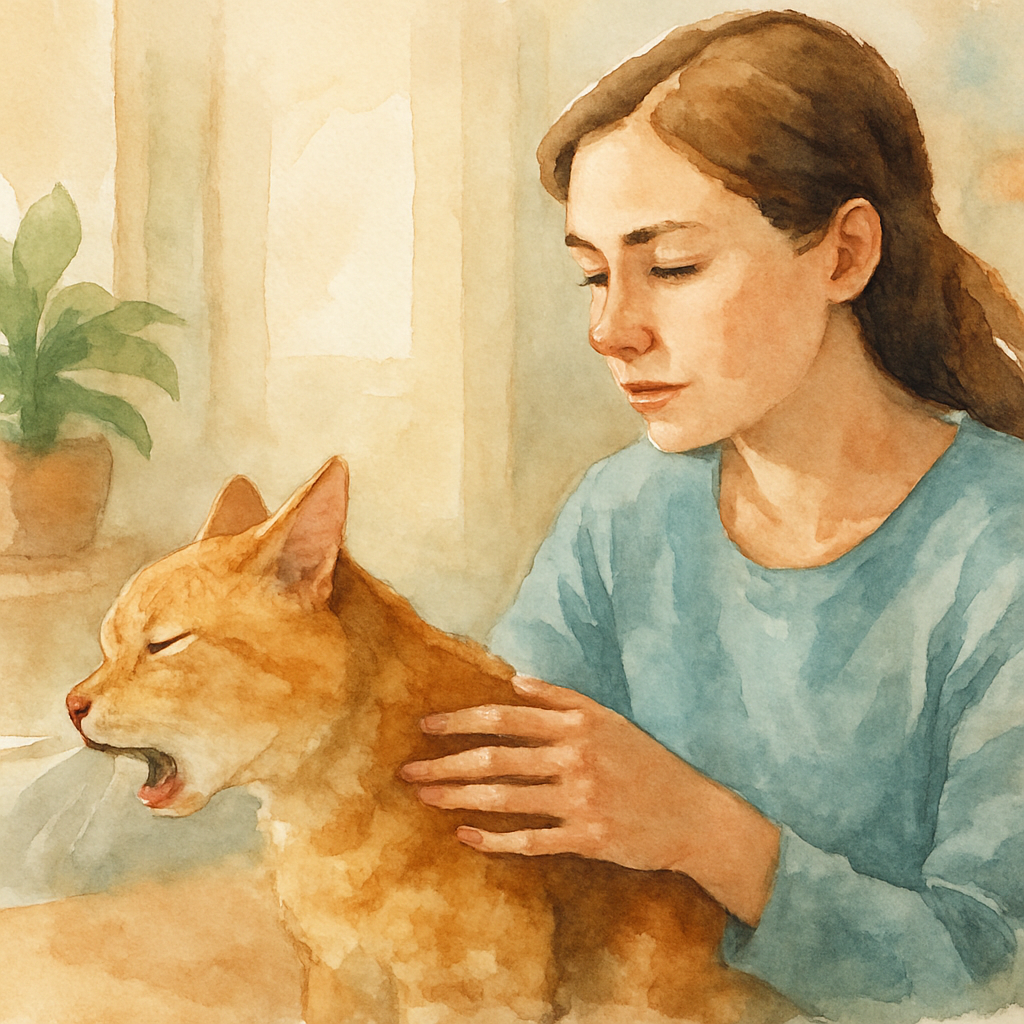
Treatment is tailored to diagnosis and your pet’s overall condition.
Allergies and Irritants
- Environmental control: reduce smoke, dust, fragrances; air purifiers with HEPA filters; regular grooming and bathing per vet advice
- Medications your vet may prescribe: antihistamines, anti-inflammatories, or inhaled therapies for asthma in cats
- Allergy plans: in some cases, allergy testing and desensitization
Upper Respiratory Infections
- Supportive care: rest, humidification, hydration, and nutritional support
- Antibiotics: used by your vet if bacterial infection is suspected or confirmed
- Antivirals or immune-modulating care: sometimes used in feline herpesvirus cases
- Isolation and hygiene: to protect other pets
Lower Airway Disease (Asthma/Bronchitis)
- Anti-inflammatory therapy and bronchodilators as prescribed
- Inhaled medications via pet-specific spacers may reduce side effects and improve control
- Trigger reduction: smoke-free, low-dust environment; avoid strong aerosols
Heart Disease and Heartworm
- Cardiac medications as indicated, plus lifestyle adjustments (controlled activity)
- Heartworm treatment per current guidelines and strict exercise restriction
Foreign Bodies, Dental/Nasal Disease, and Polyps
- Procedures: endoscopic removal, dental treatment, or surgery depending on location and cause
- Post-procedure care to reduce inflammation and prevent infection
Parasitic Causes
- Targeted deworming based on identified species
- Year-round parasite prevention to reduce recurrence
Prevention: Fewer Flare-Ups, Healthier Airways
- Vaccination: keep dogs current on Bordetella/parainfluenza/canine influenza as advised; keep cats current on FVRCP
- Parasite prevention: year-round heartworm prevention for dogs (and in some regions for cats), and broad-spectrum parasite control to curb parasites in pets symptoms
- Air quality: smoke-free home, fragrance-free cleaners, dust control, HEPA filtration
- Grooming and home care: regular brushing and bathing (breed-appropriate) to reduce dander and allergens
- Weight and fitness: maintain healthy weight to ease breathing; manage concurrent conditions like dental disease and reflux that can worsen coughing
- Responsible socialization: avoid high-risk exposures during outbreaks; choose reputable boarding/daycare with vaccination requirements and good ventilation
Related Signs of Illness in Pets You Shouldn’t Ignore
Respiratory signs often appear alongside other problems. Early attention can prevent complications.
- Ear infection symptoms in pets: head shaking, ear scratching, odor, redness, dark discharge, pain when ears are touched
- Urinary problems in pets: straining, frequent attempts, blood in urine, accidents, vocalizing—especially urgent in male cats with any blockage signs
- Itching and scratching causes in pets: fleas, mites, allergies, infections; look for hair loss, redness, hot spots
- Loss of appetite in pets: more than 24 hours for adult pets or any refusal in small/toy breeds and kittens/puppies warrants a call to the vet
- Lethargy in dogs and cats: unusual tiredness, hiding, or exercise intolerance may indicate infection, pain, anemia, or metabolic disease
- Dehydration signs in pets: tacky gums, sunken eyes, reduced skin elasticity—offer water and seek care if persistent
- Weight loss in pets causes: dental pain, parasites, thyroid disease, diabetes, kidney disease, cancer—unexplained weight loss deserves prompt evaluation
Real-World Scenarios
- Puppy after daycare: a new dry, honking cough that worsens with excitement suggests kennel cough. Isolate, monitor appetite and energy, and call your vet to discuss supportive care and whether antibiotics are indicated.
- Indoor-only cat with sudden violent sneezing: if one-sided and blood-tinged, think foreign material, dental-root involvement, or a nasal polyp—schedule a veterinary visit and avoid home nasal rinses.
- Senior small-breed dog who coughs when excited or when pulling on the leash: discuss tracheal sensitivity or chronic bronchitis with your vet, consider a harness instead of a collar, and review weight management and air-quality improvements.
- Young outdoor cat with cough and hunting history: ask your vet about testing for lungworms and ensure deworming and preventives are up to date.
How to Help Your Vet Help Your Pet
- Bring a short video of the cough or sneeze episode, including sound and posture
- List exposures: new pets, travel, boarding, grooming, smoke/fragrance use, yard or household changes
- Know your pet’s meds, supplements, and vaccine/prevention history
- Track appetite, water intake, urination/defecation, and activity levels
FAQ: Coughing and Sneezing in Dogs and Cats
How long is a “normal” cough or sneeze episode?
A few sneezes after dust exposure or a brief cough after excitement can be normal. If symptoms persist beyond 24–48 hours, recur frequently, or are accompanied by fever, colored discharge, poor appetite, or lethargy, schedule a vet visit.
Is reverse sneezing dangerous?
Reverse sneezing (common in small dogs) sounds like rapid snorting. It’s usually benign and brief, often triggered by excitement or irritants. If episodes are frequent, prolonged, or your pet struggles to breathe, see your vet.
Can allergies cause coughing?
Yes, especially in dogs and in cats with asthma-like disease. Environmental control (smoke-free, fragrance-free, dust reduction) plus vet-guided therapies can help.
Are respiratory infections contagious to other pets?
Often, yes. Isolate sick pets, clean shared items, and follow your vet’s guidance on when it’s safe to reintroduce them. Keep vaccines current to reduce severity and spread.
Should I give my pet human cold medicine?
No. Many human products are toxic to pets. Call your veterinarian for safe options.
When is sneezing more serious in cats?
Cats rarely breathe through their mouths; any open-mouth breathing, labored breathing, or refusal to eat due to nasal congestion is urgent. One-sided discharge, bloody mucus, or facial swelling also needs prompt evaluation.
Could secondhand smoke be the cause?
Yes. Smoke is a potent airway irritant and increases risks for respiratory disease. Create a smoke-free home and consider HEPA air filtration.
Key Takeaways
- Coughing and sneezing can be benign—but they’re often early signs of illness in pets, from allergies and infections to heart or airway disease.
- Act fast if there’s breathing distress, blue gums, collapse, severe lethargy, or high fever.
- Track patterns, exposures, appetite, energy, hydration, and discharge type to help your vet pinpoint the cause.
- Prevent with vaccines, year-round parasite control, clean air, and good hygiene—especially after social exposures.
- Never use human OTC cold/cough meds; partner with your veterinarian for diagnosis and safe, effective treatment.
If you suspect an emergency or your pet’s symptoms are severe or worsening, contact your veterinarian or an emergency clinic immediately.