Category: Rescue Centers
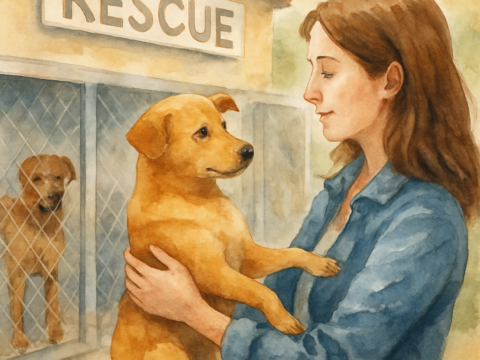
Rescue Centers for Pets: How to Choose the Right Place to Adopt From
Rescue Centers for Pets: How to Choose the Right Place to Adopt From
Choosing where to adopt is just as important as choosing which pet to bring home. The right rescue center will be transparent, ethical, and focused on lasting matches. The wrong one can leave you with gaps in information, unexpected costs, or preventable health and behavior challenges. This guide walks you through what makes a high‑quality rescue center, how to assess options, and how to come home with a happy, healthy new companion.
What Is a Rescue Center? Understanding the Different Models
“Rescue center” is often used broadly to describe organizations that take in animals and place them in homes. You’ll run into several models, and each has strengths worth knowing:
- Municipal shelters (open intake) – City- or county-run facilities that must accept local stray or owner-surrendered animals. They often have high intake volumes and variable resources.
- Private shelters (limited or managed intake) – Nonprofit facilities that accept animals within capacity, typically prioritizing local cases or transfers from overcrowded shelters.
- Foster-based rescues – Networks of volunteers who house pets in their homes until adoption. Pets live in a home setting and may have more known behavior history.
- Breed-specific rescues – Focused on one breed or breed type, often deeply knowledgeable about typical health and behavior needs of those dogs or cats.
- Sanctuaries – Long-term care for animals that are unlikely to be adopted due to medical or behavioral issues. Some adopt out suitable animals.
- Transport rescues – Move animals from high-intake regions to areas with higher adoption demand. Quality varies widely; transparency is key.
No model is automatically “better.” What matters is transparency, animal care standards, and a thoughtful adoption process that matches families and pets well.
Why Adopt from a Rescue Center?
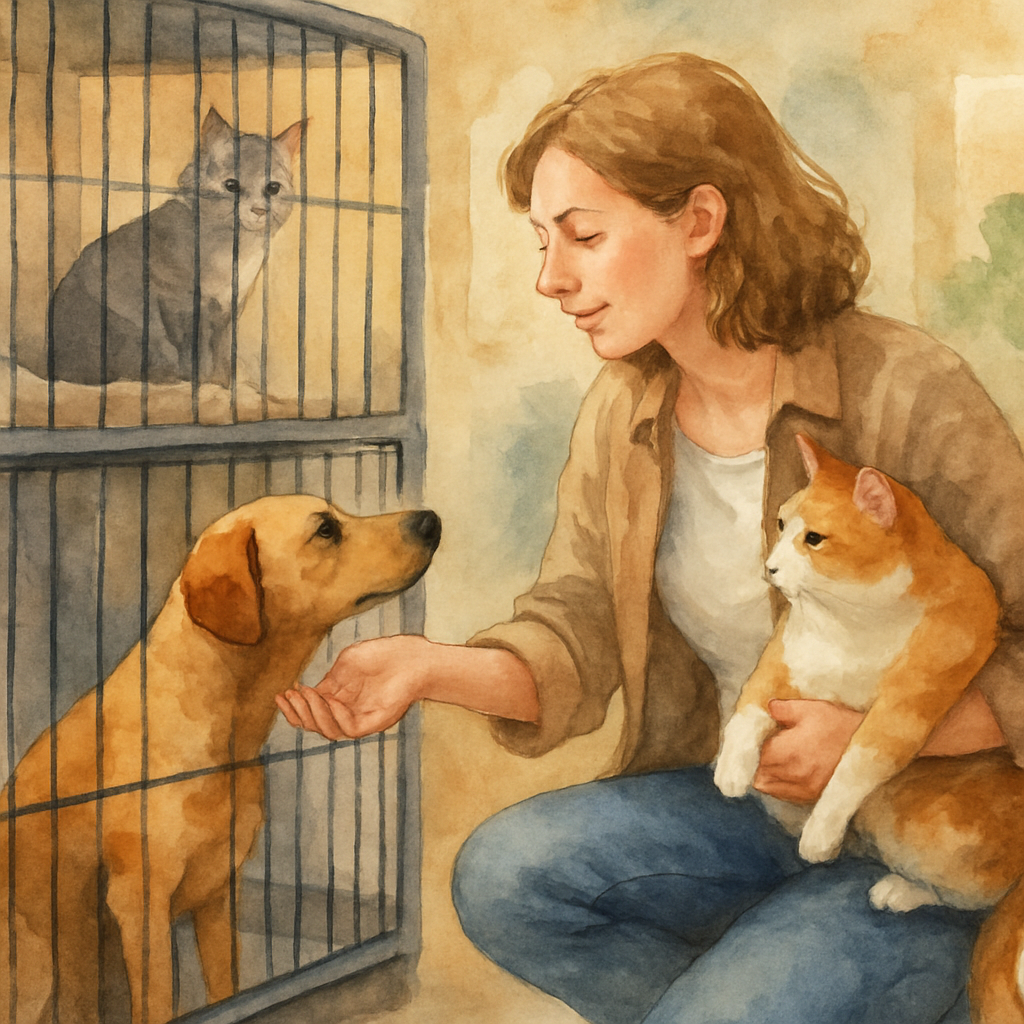
Adopting from a reputable rescue saves lives and helps your community. Strong rescues offer:
- Medical care and screening – Vaccinations, spay/neuter, deworming, flea/tick prevention, and testing for regionally relevant diseases.
- Behavior evaluation – Basic temperament checks and honest disclosure about needs and quirks.
- Support – Advice after adoption, returns if the match isn’t right, and referrals to trainers or veterinarians.
- Responsible placement – A structured process that prioritizes fit over speed.
- Ethical practices – Community services like lost-and-found support, microchip clinics, and public education.
The 10-Point Checklist for Evaluating Any Rescue Center
Use this checklist to compare organizations before you apply:
- Transparency
- They share their policies, adoption fees, what those fees cover, and realistic timelines.
- They provide medical and behavior records they have—no surprises.
- Green flag: Upfront about known issues and unknowns. Red flag: Vague answers or resistance to basic questions.
- Animal Care Standards
- Clean, well-ventilated spaces; fresh water; appropriate bedding; species-appropriate enclosures.
- Reasonable staff-to-animal ratios and daily enrichment protocols.
- Medical Protocols
- Core vaccines (dogs: DHPP, rabies per age and law; cats: FVRCP, rabies per age and law), spay/neuter or a written plan, deworming, flea/tick control, and microchips.
- Testing based on species/region (e.g., dogs: heartworm; cats: FeLV/FIV; rabbits: dental checks; birds: exam by an avian vet when feasible).
- Behavior Evaluation and Enrichment
- Basic temperament assessments (e.g., handling, sociability, resource guarding checks for dogs) performed by trained staff.
- Enrichment like toys, puzzle feeders, walks, and socialization when appropriate.
- Adoption Counseling
- Staff ask about your routine, experience, children, other pets, and housing to help you choose a good fit.
- They suggest alternatives if a pet isn’t right for your situation.
- Follow-Up and Return Policy
- Clear return policy if the placement doesn’t work out. Some offer trial periods or foster-to-adopt.
- Post-adoption check-ins, resources for training/behavior, and medical referrals.
- Professionalism and Governance
- Nonprofit status with a board (if applicable), published contact info, and prompt, courteous communication.
- Volunteer training and safety policies.
- Community Reputation
- Consistent positive reviews focusing on honesty and support, not just “fast adoptions.”
- Willingness to collaborate with vets, trainers, and other rescues.
- Ethical Sourcing of Animals
- Intakes are from local stray/owner surrenders or reputable transport partners with documentation.
- They do not purchase animals from breeders or auctions to resell as adoptions.
- Documentation and Record-Keeping
- Adopters receive medical records, microchip info, and clear contracts.
- Each pet has an ID and notes you can review.
Prepare Before You Visit: Make a Plan

Great adoptions start with self-assessment. Be honest about what fits your life:
- Time – Daily exercise, training, litter or habitat care, and grooming all take time. Puppies and kittens can need hours of hands-on supervision.
- Budget – Beyond the fee, expect recurring costs:
- Food, litter, toys, and enrichment
- Routine vet care (vaccines, preventives, annual exams, dental care)
- Pet insurance or a medical savings fund
- Training classes or behavior help if needed
- Boarding or pet sitting when you travel
- Housing – Landlord or HOA rules, size limits, breed or species restrictions, and pet deposits. Secure your approvals before applying.
- Family and Other Pets – Energy level, tolerance for noise, allergies, and the needs of resident animals.
- Species-specific needs – For example, rabbits need space to roam and chew-safe areas; birds need time out of the cage and specialized diets; reptiles need precise temperatures and UVB lighting.
Questions to Ask on Your First Call or Email
Good rescues welcome thoughtful questions. Try these:
- What veterinary care has this pet received, and can I see the records?
- Is the pet spayed/neutered? If not, what’s the plan and cost?
- What behavior assessments have been done? Any notes on children, cats, dogs, or handling?
- What’s included in the adoption fee? Microchip registration? A starter supply of food or medications?
- Do you offer a trial period, post-adoption support, or training resources?
- What’s your return policy if the match isn’t right?
- For transport rescues: Where did the pet come from? How was medical care handled before transport? Are there quarantine protocols?
Polite, timely, and transparent responses are a strong sign you’re dealing with a responsible organization.
What to Look for During an In-Person Visit
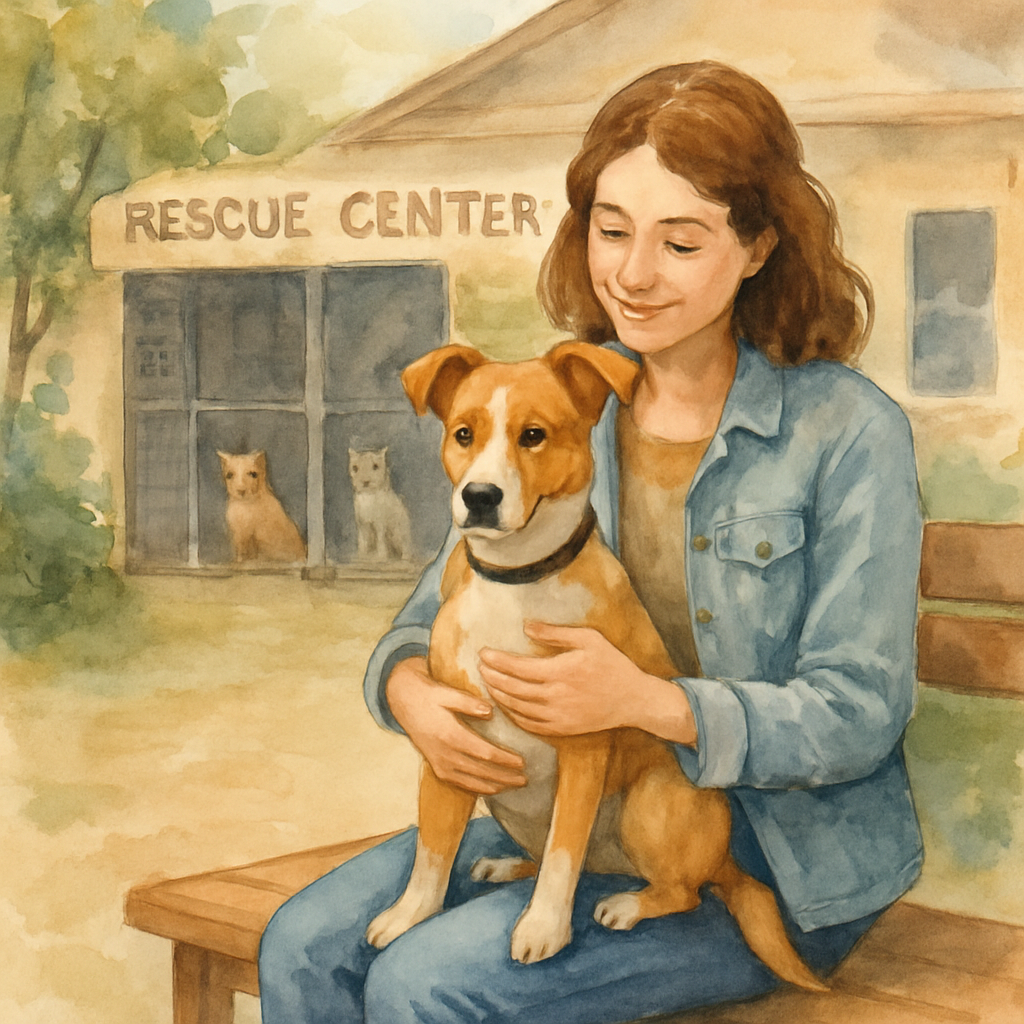
When you step into a rescue center, use your senses and common sense:
- Cleanliness and odor – Some animal smell is normal; overwhelming ammonia or feces odor is not.
- Animal appearance – Clear eyes, clean coats or feathers/fur, healthy body weight, and alertness. Sneezing, coughing, crusty eyes, or lethargy warrant questions.
- Enrichment – Toys, scratching posts for cats, chew items for dogs, perches for birds, hides for reptiles and small mammals.
- Handling – Staff and volunteers interact calmly and confidently. Pets are moved safely with minimal stress.
- Meet-and-greet protocol – Introductions happen in neutral, safe spaces with staff input. For dogs, look for gradual intros with resident pets.
- Records available – Staff can quickly find the pet’s chart, medical history, and behavior notes.
Understanding Adoption Fees and Contracts
Fees vary and are not profit—they offset medical and care costs. A clear breakdown builds trust. Common inclusions:
- Spay/neuter surgery or a signed agreement with a deadline
- Core vaccinations appropriate to age and local law
- Deworming and parasite control
- Microchip and registration instructions
- Testing where relevant (e.g., heartworm for dogs; FeLV/FIV for cats)
- Starter food or a list of current diet and medications
Read the contract carefully. Look for:
- Return policy – You should be able to return the pet to the rescue if the placement fails.
- Medical disclosure – Known conditions and any ongoing treatments.
- Ownership and microchip – Chip should be registered to you, sometimes with the rescue as secondary contact.
- Geographic or housing clauses – Some rescues restrict out-of-area adoptions or require landlord approval.
- Trial or foster-to-adopt options – Helpful for pets with special needs.
Red flags to avoid:
- Pressure to pay or sign before you’ve met the pet or reviewed records
- No medical documentation or unwillingness to share it
- Refusal to accept returns under any circumstance
- Unusually high “transport fees” without an itemized explanation
Matching the Right Pet to Your Lifestyle
Ask for help matching energy level, age, and temperament to your household. Consider these quick guides:
Dogs
- Puppies – Intensive time commitment for house training, socialization, and exercise. Great for active households with patience for learning curves.
- Adult dogs – More predictable size and temperament; often already house-trained. Match energy level with your exercise routine.
- Senior dogs – Calmer, often lower exercise needs, may have medical considerations. Wonderful companions for quieter homes.
- Behavior notes – Ask specifically about leash reactivity, resource guarding, crate comfort, and handling during exams or grooming.
Cats
- Kittens – High play drive, can be rowdy, often better in pairs to prevent boredom.
- Adult cats – Personalities are clearer; look for cats that match your desired activity level.
- Multi-cat homes – Choose cats with a history of coexisting peacefully; introduce slowly with a room-by-room plan.
- Behavior notes – Litter box use, scratching preferences, and comfort with handling.
Rabbits and Small Mammals
- Need chew-safe exercise space, gentle handling, and regular habitat cleaning.
- Ask about diet (hay-heavy), dental health, and social compatibility (many rabbits prefer companions).
Birds
- Require daily interaction, proper cage size, toys for foraging, and specialized diets.
- Noise level and lifespan can be significant—plan long term.
Reptiles
- Focus on husbandry: correct temperatures, humidity, UVB lighting, and enclosure size.
- Ask about feeding habits and prior shedding/health issues.
Foster-Based Rescues vs. Shelter Facilities
Both can be excellent when well-run. Here’s how to weigh them:
- Foster-based rescues
- Pros: Real-world behavior notes, home training progress, and tailored advice from the foster.
- Cons: Harder to meet multiple pets at once; scheduling can take longer; policies vary by foster.
- Shelter facilities
- Pros: Many pets in one place, consistent processes, on-site meet-and-greets.
- Cons: Shelter stress can mask true personality; ask for staff insights and quiet meeting spaces.
With either model, ask how they support decompression, training, and returns if a placement isn’t a fit.
Red Flags That Signal You Should Walk Away
- Refusal to share medical records or behavior notes
- “Pay now, meet later” policies without clear protections
- Dirty, overcrowded conditions with no plan for enrichment
- Promises that sound too good to be true (“guaranteed hypoallergenic,” “never sheds,” “perfect with all dogs/cats/kids”)
- No return policy or penalties for returning an animal due to safety or compatibility issues
- Pressure tactics or shaming if you ask questions
- Purchasing animals from breeders/auctions under the guise of “rescue”
Green Flags That Indicate a Responsible Rescue
- They emphasize fit, not speed, and may suggest alternatives if a match isn’t right.
- They offer transparent fee breakdowns, medical records, and realistic behavior descriptions.
- They welcome home checks and landlord verification, and they’re happy to speak with your vet.
- They provide post-adoption support and encourage training and enrichment.
- They treat staff, volunteers, and adopters respectfully and professionally.
Realistic Timelines and What to Expect
Adoption processes vary. Typical steps include:
- Application and initial review (1–7 days)
- Phone interview and reference checks (1–5 days)
- Meet-and-greet and introductions with resident pets (same day to 1 week)
- Home visit or virtual tour (same day to 1 week)
- Contract signing, fee payment, and pick-up or delivery
Common reasons for delays or denials:
- Incomplete application or missing landlord approval
- Mismatch between housing and pet needs (e.g., high-energy dog for a household with no time for exercise)
- Concerns about safely integrating with resident pets
- Inflexibility about required training or containment (e.g., secure fencing or supervision)
How to improve your chances:
- Be upfront and thorough on the application.
- Provide vet records for current pets and proof of landlord approval.
- Demonstrate your plan for exercise, training, and decompression.
- Be open to the counselor’s recommendations; they know their animals well.
Bringing Your New Pet Home: First 30 Days
The first month is about decompression and trust-building. Expect an adjustment curve. A helpful structure is the “3-3-3 rule” (rough guideline, not a strict timeline):
- First 3 days – Overwhelm is common. Keep routine quiet, supervise closely, and use a safe space (crate or room) for rest.
- First 3 weeks – Personalities start to emerge; continue gradual introductions to new people and pets. Begin training and enrichment consistently.
- First 3 months – Your pet understands routines; deepen training and socialization; schedule routine vet follow-ups as advised.
Immediate to-do list:
- Schedule a wellness exam with your veterinarian within the first 1–2 weeks.
- Register the microchip with your contact details and the rescue as secondary, if applicable.
- Continue the current diet initially to avoid stomach upset; transition gradually if you plan to change.
- Start a predictable routine for feeding, bathroom breaks, play, and rest.
- Enroll in a positive-reinforcement training class for dogs; provide scratching posts and vertical space for cats; confirm husbandry settings for reptiles and small mammals.
Safety and health caution: If your new pet is struggling to breathe, has severe vomiting or diarrhea (especially with blood), is extremely lethargic, refuses food or water, or shows sudden neurological signs, contact your veterinarian or an emergency clinic immediately. For less urgent but concerning issues, call your vet promptly for guidance.
Integrating with Resident Pets
- Dogs meeting dogs – Parallel walks, neutral territory, and short, positive sessions. Avoid crowded dog parks early on.
- Cats meeting cats – Room-by-room introductions with scent and site swapping; reward calm curiosity; don’t rush face-to-face contact.
- Multi-species homes – Use barriers and leashes; maintain safe distances; never leave prey species unsupervised with predator species.
If tensions rise, separate and slow down. Ask the rescue for support or a trainer referral.
Working with Trainers and Behavior Support
Quality rescues encourage positive, evidence-based training. Look for trainers who use rewards, management, and humane methods rather than punishment or dominance-based techniques. Ask your rescue for recommended professionals and local classes.
How to Support a Good Rescue (Even If You’re Not Adopting Today)
- Foster – Short- or long-term. Vital for pets needing medical recovery or socialization.
- Volunteer – Walking dogs, socializing cats, cleaning, transport, photography, event staffing.
- Donate – Money stretches farthest; supplies on wish lists help daily operations.
- Share – Promote adoptable pets and fundraisers on social media; write honest reviews.
- Community help – Support spay/neuter, TNR (trap-neuter-return) for community cats, and lost-and-found pet networking.
Examples: Applying the Checklist to Real Scenarios
Scenario 1: Foster-Based Dog Rescue
You inquire about a medium-energy adult dog. The coordinator sends medical records, explains a mild resource-guarding history, offers a meet-and-greet with your current dog, and suggests management and training tips. They provide a return policy and a 2-week trial. This is a green-light case of transparency and support.
Scenario 2: Transport Cat Rescue
A group brings cats from out of state. They list vaccines given pre-transport, test results, and quarantine info. Adoption includes microchip registration. They encourage a slow, room-based introduction plan. This is strong practice—especially good if they can provide original shelter records.
Scenario 3: Questionable Organization
A rescue demands a deposit before you can meet the pet, declines to provide medical info, and says the dog is “perfect with everything.” The facility visit shows overcrowded kennels and no enrichment. Walk away and report serious welfare concerns to local authorities if needed.
Frequently Asked Questions
Are rescue pets more likely to have behavior problems?
Not necessarily. Many are great pets who landed in the system due to life changes for previous owners. Quality rescues disclose known issues and provide support. A decompression period and consistent routine go a long way.
What if I rent? Can I still adopt?
Yes—many renters adopt successfully. Confirm pet policies in writing, including species, size, and breed rules. Provide your rescue with landlord contact information and pet deposit details to streamline approval.
How much should I budget for a new pet?
It varies by species and size. Beyond the adoption fee, plan for annual wellness visits, vaccines, preventives, food, litter or habitat supplies, toys, and training or grooming as needed. Consider insurance or a dedicated savings fund for emergencies.
Is a home visit normal?
Yes. Reputable rescues sometimes perform brief home visits or virtual tours to ensure safety and suitability. It’s not about perfection—it’s about planning for containment, hazards, and appropriate space.
Should I adopt siblings or bonded pairs?
For some species (like kittens or bonded rabbits), pairs can be beneficial. Ask the rescue whether the animals truly rely on each other or are simply co-housed. Pairs can help with social needs but may require more resources.
What if the adoption doesn’t work out?
Responsible rescues accept returns. Contact them early; they can often troubleshoot issues or help you transition the pet back safely. This is why a clear return policy matters.
Do rescues ever “hold” animals?
Many allow short holds for serious adopters, especially when scheduling meet-and-greets or home visits. Expect to place a refundable deposit and complete the process within an agreed timeline.
Key Takeaways: Choose with Care and Confidence
- Look for transparency, humane care, and adopter support.
- Prepare your home, budget, and schedule before you apply.
- Ask specific questions about health, behavior, and post-adoption resources.
- Trust your impressions during visits—cleanliness, calm handling, and good records matter.
- Adopt the pet who fits your lifestyle today, not the one you hope to have time for later.
When you choose the right rescue center, you’re setting your new pet—and yourself—up for a safe, happy, and lasting life together.