Category: SPCA & Charities
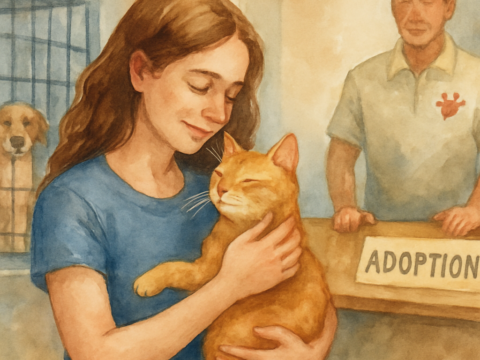
SPCA and Pet Charities: How They Work and How Pet Lovers Can Help
SPCA and Pet Charities: How They Work and How Pet Lovers Can Help
Societies for the Prevention of Cruelty to Animals (SPCAs) and pet charities safeguard animals, support families, and strengthen communities. Understanding how these organizations operate—and how you can plug in—helps you make the biggest possible difference for pets in need.
Quick note on health and safety: if an animal is sick, injured, or in distress, contact a licensed veterinarian or local animal control immediately. Don’t wait for online advice when urgent care is needed.
What “SPCA” Means (and What It Doesn’t)
“SPCA” stands for “Society for the Prevention of Cruelty to Animals.” It’s a name, not a single national organization. Most SPCAs are independent charities that serve a specific city, county, or region. They typically have their own boards, budgets, programs, and policies.
- Local SPCAs: Usually independent nonprofits focused on community needs, such as sheltering, adoptions, spay/neuter, and education.
- ASPCA (United States): The American Society for the Prevention of Cruelty to Animals is a national nonprofit founded in 1866. It’s not the “parent” of local SPCAs, and donations to the ASPCA don’t automatically fund your local shelter.
- HSUS (United States): The Humane Society of the United States is another national organization. It supports policy work, disaster response, and programs, but does not run most local shelters.
- RSPCA/ISPCA/SPCA (International): Countries like the UK and Australia have RSPCAs with national and local branches. Each country’s structure and funding are different, and they’re separate from U.S. entities.
Bottom line: Always check which organization you’re donating to or adopting from—names can sound similar but be entirely separate.
How SPCAs and Pet Charities Are Structured
Most SPCAs and rescues are registered nonprofits (for example, 501(c)(3) charities in the U.S.) governed by a volunteer board of directors and operated by paid staff alongside volunteers. Their structure affects which services they can provide and how they prioritize animals.
- Open-admission shelters: Accept most animals from the community, often including strays for a municipal area. They may hold animal control contracts.
- Managed- or limited-admission rescues: Take animals as space and resources allow, often focusing on foster-based care or specific species/breeds/medical cases.
- Municipal shelters vs. private nonprofits: Some shelters are government-run; many SPCAs are private nonprofits that may hold contracts to provide animal control or care for strays.
- Foster-based rescues: Operate without a public shelter, housing animals in volunteers’ homes until adoption.
All types play vital roles; they often collaborate through transports, transfers, and shared programs to move pets efficiently into safe homes.
Core Programs and What They Do
Animal Intake and Surrender
Shelters intake animals as strays, owner surrenders, cruelty cases, and transfers from overcrowded partners. Many offer managed intake—scheduled appointments that help ensure adequate space and care. Expect a conversation about your situation; many organizations offer pet retention resources to keep families and pets together when possible.
Stray and Lost Pet Services
Most shelters follow local “hold periods” for strays, giving guardians time to reclaim pets. Staff will scan for microchips, check lost reports, and post found-pet listings. Photo-matching tools, social media, and shelter databases (like Petfinder) improve reunions.
Medical Care and Spay/Neuter
Animals typically receive vaccines, parasite prevention, microchips, and sterilization before adoption. Some SPCAs operate low-cost spay/neuter clinics and vaccine/microchip events to reduce overpopulation and disease in the community.
Behavior, Enrichment, and Training
Modern shelters focus on animal welfare through enrichment plans: daily walks, scent work, toys, calming music, and training for basic manners. Behavior teams assess animals and create plans to reduce stress and help pets succeed in homes.
Adoptions and Counseling
Adoption teams learn about your lifestyle and match you with pets whose needs fit your home. Fees help offset medical and care expenses, but often cover only a portion of true costs. Many shelters offer trial adoptions, post-adoption support, and behavior helplines.
Foster Programs
Fosters expand shelter capacity and provide home environments for kittens, puppies, seniors, medical cases, and behaviorally sensitive animals. Shelters typically supply vet care, supplies, and support. Fostering is one of the fastest ways to save lives.
Community Cats and TNR
Trap-Neuter-Return (TNR) and Shelter-Neuter-Return (SNR) programs humanely stabilize community cat populations by sterilizing, vaccinating, ear-tipping, and returning healthy outdoor cats to their territories. Many shelters also run “working cat” programs to place less social cats as barn or warehouse mousers.
Humane Investigations and Cruelty Response
In some regions, SPCAs have law enforcement authority; in others, they collaborate with police or animal control. They investigate neglect, hoarding, and cruelty, ensure seizure and care of animals when warranted, and support prosecution where laws apply. If you witness cruelty or an animal in acute danger, call local authorities immediately.
Disaster Response and Emergency Boarding
During wildfires, storms, or other emergencies, SPCAs may run pet-friendly shelters, provide emergency boarding, and distribute pet supplies. They also help communities prepare with microchipping and evacuation kits.
Community Support and Pet Retention
Pet food pantries, short-term boarding, behavior counseling, and veterinary vouchers help families overcome temporary crises without surrendering their pets. Ask your local SPCA about hardship programs if you’re struggling.
Education and Youth Programs
Humane education includes school presentations, volunteering for teens, bite-prevention workshops, and camps that build empathy and responsible pet care habits.
Transport and Relocation
Animals are moved from overwhelmed shelters to regions with higher demand for adoptions. These transports follow strict health and welfare protocols to minimize disease and stress.
Funding and How Donations Are Used
SPCAs rely on diverse revenue to stay stable through busy seasons and emergencies. Even when adoption fees are collected, they rarely cover the full cost of care.
- Individual gifts and monthly giving: Core, reliable funding that supports daily operations.
- Grants and foundations: Often restricted to specific programs like spay/neuter or cruelty response.
- Events and campaigns: Galas, online fundraisers, and community drives raise awareness and funds.
- Thrift stores and retail: Some SPCAs operate thrift shops that fund veterinary care.
- Government contracts: When shelters provide animal control or stray services for a city or county.
- Fee-for-service: Adoption fees, training classes, and clinic services help offset costs.
- Legacy gifts: Bequests and estate plans can transform capacity for years.
Where your money goes typically includes medical care (spay/neuter, surgeries, medications), staffing (veterinary, animal care, adoption teams), food and supplies, utilities and facility maintenance, and transport. Look for transparent financials and impact reports to see how gifts translate into outcomes.
Shelter Metrics and Standards to Know
- Live Release Rate (LRR): The percentage of animals that leave alive via adoption, transfer, or return to owner. Some define “no-kill” at 90%+ LRR, but context matters—open-admission shelters serving high-need areas may face complex medical and behavioral cases.
- Length of Stay (LOS): How long animals remain in care. Lower LOS usually improves welfare and outcomes.
- Return-to-Owner (RTO) and Return-to-Field (RTF): Key indicators for reuniting lost pets and stabilizing community cat populations.
- Capacity for Care (C4C): Operating within the number of animals staff can humanely care for, to prevent disease and stress.
- Five Freedoms/Five Domains: Frameworks guiding welfare standards for nutrition, environment, health, behavior, and mental state.
Euthanasia, while difficult, can be a humane decision for animals with severe, untreatable illness or dangerous behavior. Ethical shelters use veterinary-led protocols, pain relief, and sedation to prevent suffering, and they report data transparently.
How to Evaluate a Charity Before You Give or Adopt

- Confirm nonprofit status and transparency: In the U.S., look for a current 501(c)(3); review recent Form 990 filings or audited financials if available.
- Check independent profiles: Platforms such as Candid/GuideStar, Charity Navigator, or BBB Wise Giving Alliance can reveal governance and financial practices.
- Review program details and data: Does the shelter publish intake, outcomes, and LRR? Are policies for spay/neuter, behavior, and euthanasia clear?
- Visit or attend an event: Cleanliness, enrichment, and knowledgeable staff/volunteers are good signs. High-stress environments can happen, but consistent poor conditions are red flags.
- Assess adoption support: Look for fair, conversation-based counseling, post-adoption resources, and a clear return policy if the match isn’t right.
- Beware of red flags: Vague claims, pressure tactics, unwillingness to share financials, or consistently poor communication.
Strong charities blend compassion with accountability. A smaller organization can be excellent even without glossy reports—what matters is clarity, community fit, and consistent follow-through.
The Best Ways Pet Lovers Can Help (Regardless of Budget)
Adopt or Foster
- Adopt: Free up shelter space and save a life. Consider adult and senior pets—they’re often easier than puppies and kittens.
- Foster: Vital during kitten season, after disasters, and for pets needing quiet recovery time. Even a two-week foster can change an animal’s trajectory.
Volunteer Your Time
- Dog walking, cat socializing, bottle-baby feeding, laundry, and cleaning help daily operations.
- Skilled roles: pet photography, copywriting, digital marketing, community outreach, grant research, data entry, or transport driving.
- Short shifts matter—consistent, small commitments add up.
Donate Money or Supplies
- Monthly gifts: Predictable income is a lifeline.
- Wishlists: Food, litter, puppy pads, KMR, heating pads, enrichment toys.
- Match programs: Ask your employer about matching gifts or volunteer grants.
- Legacy and beneficiary designations: Simple forms can establish long-term support.
Advocate and Educate
- Promote spay/neuter, microchipping, and humane training in your neighborhood and online.
- Support policies that fund pet-friendly housing, community clinics, and disaster preparedness.
- Share adoptable animals on social media with thoughtful, accurate descriptions.
Help Where You Are
- Host a supply drive at work or school.
- Offer temporary boarding for neighbors during surgery, moves, or military deployment.
- Help seniors with dog walking or litter box maintenance.
Step-by-Step: Become a Foster in 7 Days
- Day 1: Find a local SPCA/rescue and fill out a foster application online. Note species, age groups, or medical cases you can handle.
- Day 2: Complete orientation videos and basic training on disease prevention and safe handling.
- Day 3: Prep a small, quiet space at home with washable surfaces; gather essentials from the shelter or a wishlist.
- Day 4: Meet your foster coordinator; review medical and behavior notes; clarify after-hours emergency contacts.
- Day 5: Pick up your first foster. Start a daily log for appetite, litter/poop, meds, and behavior.
- Day 6: Take high-quality photos and write a warm, specific bio; share with the shelter’s marketing team.
- Day 7: Attend a virtual or in-person adoption event; practice meet-and-greets if your foster is ready.
Tip: Fostering is flexible. If your schedule is tight, ask for a weekend guest or a short-term medical hold.
Step-by-Step: Smart, Stress-Free Adoptions
- Clarify your lifestyle: Activity level, travel, kids, other pets, yard vs. apartment, allergies, and budget.
- Meet several animals: Chemistry matters. Ask about behavior notes, energy needs, and any medical care.
- Prepare your home: Pet-proof wires and plants, set up a quiet room, and gather supplies (crate, litter box, bowls, ID tag).
- Give a decompression period: 3-3-3 rule: roughly 3 days to settle, 3 weeks to learn routines, 3 months to fully feel at home.
- Follow up: Use the shelter’s behavior helpline if questions arise. It’s normal to need guidance in the first weeks.
What To Do If You Find or Lose a Pet
If You Find a Pet
- Check for ID tags and call the number if available.
- Have the pet scanned for a microchip at a vet clinic or shelter (usually free).
- Notify your local shelter; file a found report and post a clear photo with location and date.
- Use neighborhood forums and lost-and-found groups; avoid sharing every unique identifying mark to prevent scams.
- Follow local laws; many areas require bringing the pet to the shelter for the official hold period so the owner can find them.
If You Lose a Pet
- Search your home and neighbors’ yards. Most indoor cats hide nearby.
- File a lost report and check shelter listings daily.
- Post flyers and online alerts with a recent photo, description, and where last seen.
- Update microchip contact info with the registry.
- For shy cats, set a humane trap with shelter guidance; for skittish dogs, avoid chasing—report sightings and ask for professional help if needed.
Working With SPCAs When Money Is Tight
Reach out early if you’re struggling—many organizations want to help you keep your pet.
- Pet retention funds: Vouchers for vet care, spay/neuter, or temporary boarding.
- Pet food pantries: Short-term support for families in transition.
- Behavior coaching: Free or low-cost help for common issues like litter box avoidance or leash pulling.
- Payment options: Some clinics accept third-party financing or can refer to credible aid programs.
If a pet is sick, injured, or in pain, contact a veterinarian immediately. Online advice can’t replace urgent, hands-on medical care.
Common Myths, Debunked
- Myth: “All SPCAs are the same.” Fact: Most are independent. Confirm you’re donating or adopting from the specific organization you intend to support.
- Myth: “Shelters are all ‘high-kill.’” Fact: Many shelters achieve high live-release rates. Open-admission shelters serve every animal who arrives, including those with severe medical/behavioral needs.
- Myth: “Rescues are always better than shelters.” Fact: Excellent and struggling groups exist in both categories. Evaluate policies, transparency, and support.
- Myth: “Black pets aren’t adoptable.” Fact: Black cats and dogs make wonderful companions; great photos and bios help them get noticed.
- Myth: “Pit bull-type dogs can’t be family pets.” Fact: Behavior is individual. Many are affectionate, trainable companions when matched appropriately and trained humanely.
Safety and Welfare Considerations
- Handling unknown animals: Approach calmly; avoid cornering or grabbing; watch body language.
- Bite incidents: Report bites as required in your area; animals may need quarantine to protect public health.
- Transport: Use secure carriers or crates; keep dogs leashed with a well-fitted collar or harness and backup clip.
- Heat and cold: Never leave pets in cars; protect paws from hot pavement; provide shade and water outdoors.
- Medical emergencies: If a pet is injured, ingested a toxin, or has trouble breathing, contact a veterinarian or emergency clinic right away.
Global and Community Differences
Animal welfare systems vary widely. Rural areas may face veterinary shortages and higher transport needs. Urban shelters might handle more housing-related surrenders. Internationally, SPCAs and humane societies operate under different legal frameworks and resources. Regardless, local partnerships—with tribal/Indigenous communities, neighborhood groups, and public health agencies—are key to sustainable progress.
How Digital Tools Are Changing Rescue
- Online adoptions: Virtual meet-and-greets, e-contracts, and digital counseling speed placements.
- Lost-and-found tech: Microchips, QR tags, and visual-matching tools help reunite families faster.
- Case management: Software streamlines medical records, fosters, and adoptions to reduce LOS.
- Storytelling: High-quality photos and short videos dramatically increase adoption interest.
Quick Glossary
- Open admission: Accepts most animals from the community.
- Managed/limited admission: Accepts animals as resources allow, often foster-based.
- Live Release Rate (LRR): Percentage of animals leaving alive via adoption, transfer, or return to owner.
- Length of Stay (LOS): Time an animal spends in care.
- TNR/RTF: Trap-Neuter-Return/Return-to-Field for community cats.
- Community cats: Unowned outdoor cats, not all of whom are social with people.
- URI/Parvo/Panleuk: Common shelter illnesses; prompt veterinary care and prevention are essential.
- Enrichment: Activities that reduce stress and promote natural behaviors.
- Capacity for Care (C4C): Matching animal numbers to staff and space for humane care.
Realistic Ways to Maximize Your Impact
- Pick one lane for 90 days: Foster, dog walk weekly, or run the shelter’s Instagram. Depth beats dabbling.
- Combine time and money: Photograph adoptable pets and donate $5 per post for a double boost.
- Seasonal sprints: Pledge support during kitten season or holidays when intake spikes.
- Leverage your network: Ask friends to sponsor your foster’s spay/neuter or adoption fee.
- Corporate power: Propose a workplace volunteer day, supply drive, or payroll giving option.
Getting Started Today
- Search “SPCA near me” or “animal rescue near me” and list three organizations.
- Skim each website’s volunteer and foster pages; sign up for an orientation.
- Set a realistic commitment: two hours weekly or one foster per quarter.
- Gather a starter kit: carrier/crate, bowls, leash, litter box, cleaners.
- Share one adoptable animal each week on your social channels with a personal note.
Whether you donate, foster, volunteer, or adopt, your contribution matters. SPCAs and pet charities thrive when communities step in together—one walk, one share, one adoption at a time.
FAQ
Are SPCA and ASPCA the same thing?
No. Most SPCAs are independent local charities. The ASPCA is a national organization in the U.S. with its own programs and budget. Donating to one does not automatically fund the other.
Why do shelters charge adoption fees?
Fees help offset vaccines, spay/neuter, microchips, and daily care. They rarely cover full costs, which is why donations remain crucial.
What if an adoption doesn’t work out?
Reputable shelters allow returns and will help you find a better match. Ask about return policies and post-adoption support before signing.
Can kids volunteer?
Often yes, with age minimums and adult supervision. Youth programs may include reading to animals, supply drives, and humane education workshops.
How do I report cruelty or neglect?
In emergencies, call 911 or local law enforcement. Otherwise, contact your local animal control or SPCA/humane society; some have dedicated hotlines for investigations.
Are donations tax-deductible?
In many countries, gifts to registered charities are tax-deductible. Keep receipts and consult local tax guidelines for details.
What happens to in-kind donations?
Food, litter, toys, and cleaning supplies support daily operations and foster homes. Check the shelter’s wishlist to ensure items meet current needs.
How can I help if I can’t adopt or foster?
Volunteer for short shifts, share adoptable pets online, donate monthly at any level, or host a workplace or school supply drive. Small, steady actions make a big impact.