Category: Grooming Products
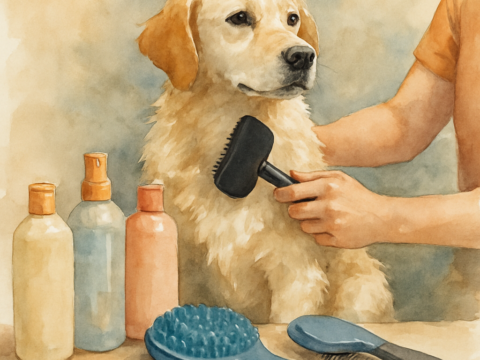
Best Grooming Products for Pets: What to Buy for Easier Home Care
Best Grooming Products for Pets: What to Buy for Easier Home Care
Grooming at home keeps your pet comfortable, reduces shedding, prevents matting, and helps you spot health issues early. The right tools make the job faster, safer, and far less stressful for both of you. This guide explains exactly what to buy, why it matters, and how to match products to your pet’s coat, skin, and temperament.
Safety note: If your pet has open wounds, severe matting, signs of pain, ear or skin infections, parasites, or breathing distress, contact your veterinarian or an urgent care clinic before grooming. Never use human products on pets unless your vet confirms they’re safe.
Quick takeaways
- Match brushes to coat type: slicker for tangles, bristle for short coats, pin for long/silky, rubber curry for short/smooth, rakes for double coats.
- Use a quality nail clipper (scissor or guillotine) or a quiet grinder, and always keep styptic powder on hand.
- Choose pet-specific shampoos; avoid human and dish soaps. Waterless shampoos and wipes help between baths.
- Clippers with multiple speeds, sharp blades, and guard combs are best for haircuts; most double-coated breeds should not be shaved.
- Build calm routines with treats, short sessions, and non-slip surfaces. Reward every step.
Best brushes and combs
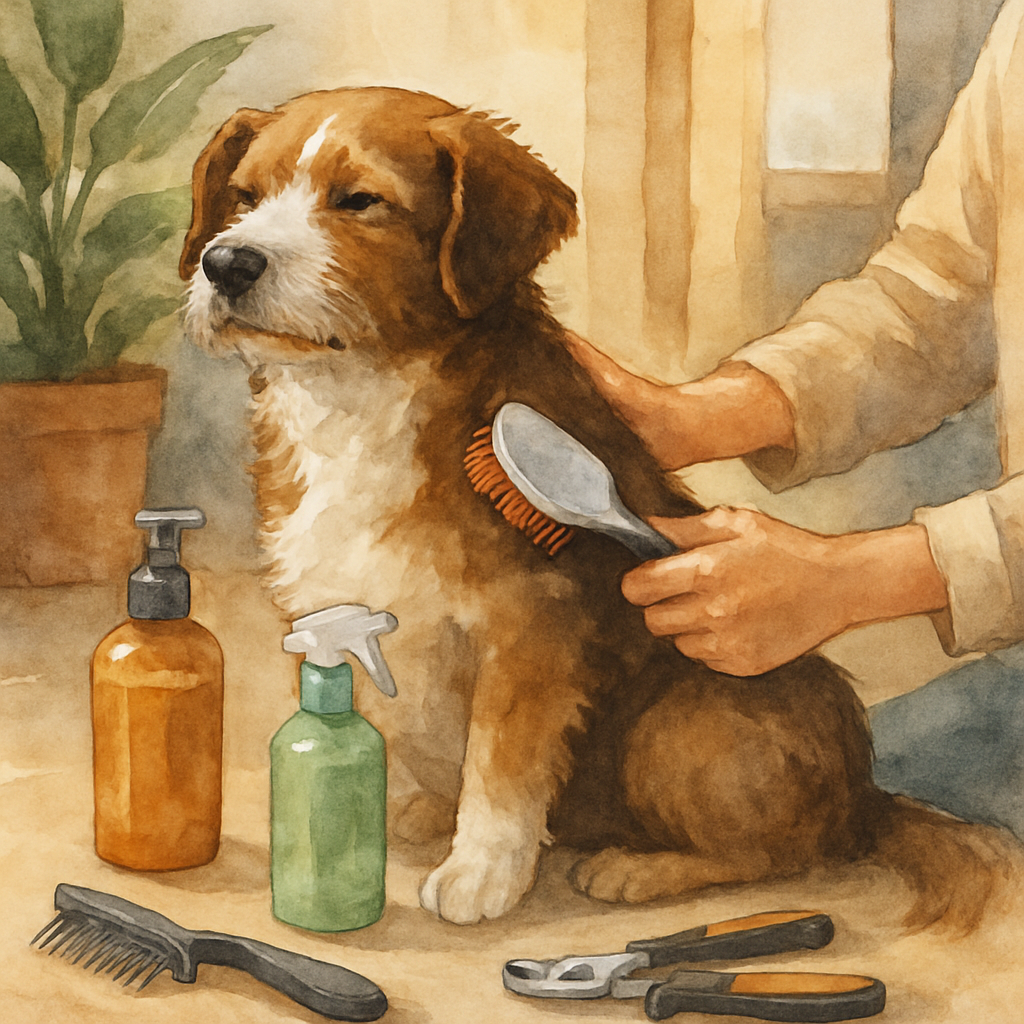
Brushing is the foundation of home grooming. It reduces shedding, prevents mats, and spreads skin oils for a healthy coat. Here’s what to buy by function and coat type.
Core brush types and when to use them
- Slicker brush: Fine, curved wires on a flat pad. Excellent for removing loose hair and minor tangles on long, curly, or wiry coats (e.g., doodles, spaniels, many cats). Choose a cushioned pad and bent pins for comfort.
- Pin brush: Long straight pins with rounded tips. Great for medium to long coats and finishing after detangling. Less aggressive than slickers—good for sensitive skin.
- Bristle brush: Dense natural or synthetic bristles. Ideal for short-haired breeds to remove surface debris and add shine. Not for detangling.
- Rubber curry or grooming glove: Gentle rubber nubs loosen hair and massage skin. Best for smooth, short coats and for pets afraid of metal pins. Also helpful in the bath to work in shampoo.
- Undercoat rake: Long teeth reach deep into double coats (e.g., huskies, shepherds) to pull dead undercoat. Use before and during seasonal shedding.
Essential combs
- Stainless steel comb (coarse/fine combo): Finds hidden tangles your brush missed. Essential for long coats and finishing.
- Dematting comb or rake: Bladed, safety-rounded teeth slice through mats. Use carefully and slowly; support skin to avoid pulling.
- Flea comb: Ultra-fine teeth to detect fleas and debris, and useful for delicate areas like around the face and paws.
How to choose the right brush for your pet
- Short, smooth coats (beagles, pits, many short-haired cats): Rubber curry or grooming glove + bristle brush.
- Medium coats (labs with some undercoat, mixed breeds): Slicker or pin brush + stainless steel comb; undercoat rake during shedding.
- Long, silky coats (yorkies, maltese): Pin brush + comb for parting; slicker for stubborn tangles.
- Curly/wool coats (poodles, doodles): High-quality slicker brush + sturdy comb; dematting tool for occasional mats.
- Double coats (huskies, shepherds): Undercoat rake + slicker; avoid heavy-handed de-shedding that can damage guard hairs.
- Cats (short to medium hair): Rubber curry or soft slicker; flea comb for face and legs.
Pro tip: Always “comb check” after brushing—if the comb glides from skin to tip without snagging, you’re truly tangle-free.
De-shedding tools
De-shedding tools remove loose undercoat before it matts or spreads across your home. They save time and vacuum bags—used correctly.
Popular de-shedding options
- Undercoat rake: The safest all-rounder for thick double coats; long, widely spaced teeth target undercoat.
- Shedding blade/loop: Serrated metal loop lightly lifts loose topcoat on short-haired dogs and horses. Use gently.
- De-shedding edge tools: Precision edges catch undercoat; choose a size matched to your pet. Use with light pressure to avoid scraping skin.
How often: Weekly for double-coated breeds; daily during heavy sheds (spring/fall). For short coats, 1–2 times per week is often enough.
Caution: Never dig de-shedding tools into skin, thin coats, or sensitive areas (flanks, belly, tail base). If your pet resists or skin looks pink, stop and switch to a gentler brush.
Clippers and trimmers
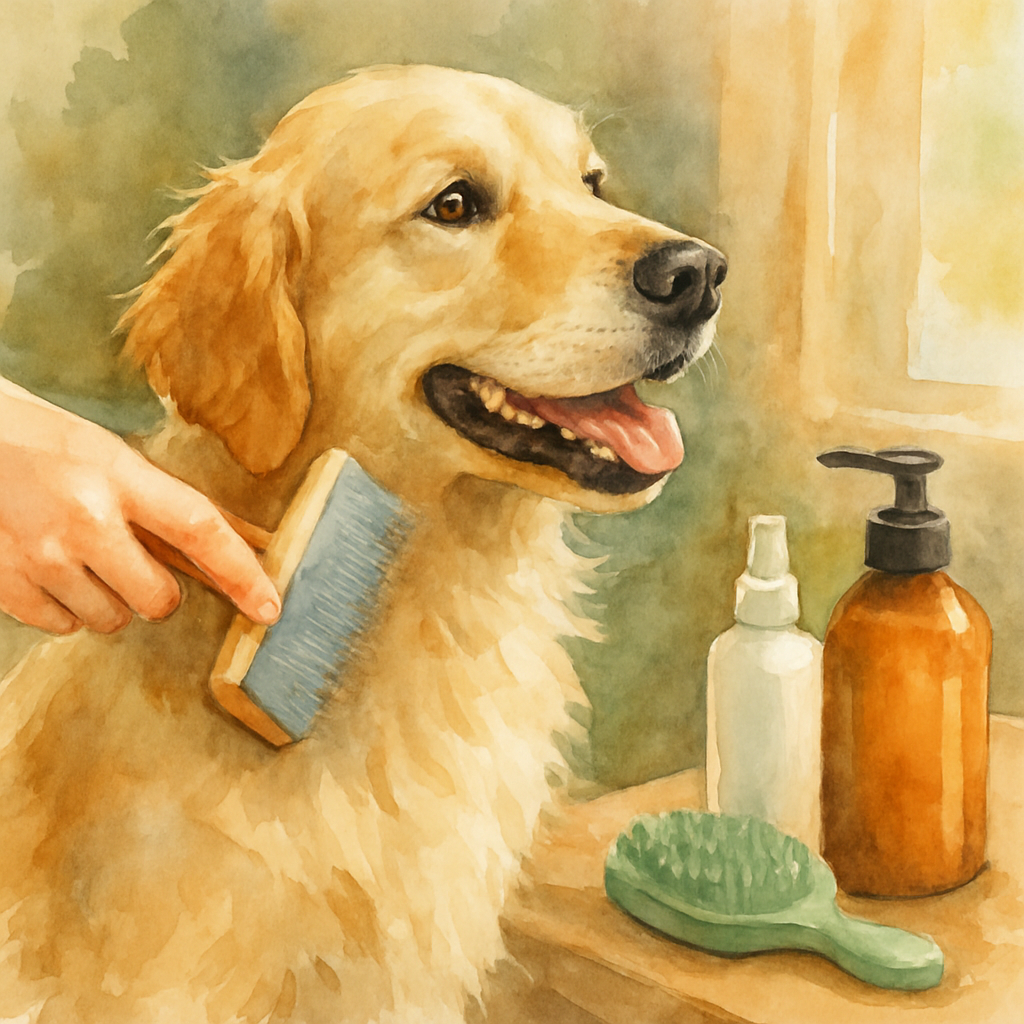
Clippers are for haircuts or sanitary trims. If your pet’s coat is designed to insulate (double coats), avoid full-body shaving; instead manage with brushing and rakes. For breeds that require haircuts (poodles, shih tzus, bichons, many doodles), select high-quality clippers and learn basic technique.
What to look for in clippers
- Motor and speed: Two-speed or variable-speed models give control. Lower speed for sensitive areas; higher speed for dense coats.
- Blades: Detachable stainless or ceramic blades in common sizes (#10, #30, etc.). #10 is a safe general-purpose choice for sanitary and paw pads.
- Guard combs: Snap-on combs guide hair length over a #30 or #40 blade; ideal for home trims without specialized scissoring skills.
- Corded vs cordless: Cordless is convenient but ensure adequate battery life and torque. Corded offers consistent power.
- Noise and vibration: Quiet operation reduces stress; look for low decibel claims and good reviews for sensitive pets.
Trimmers and specialty tools
- Mini trimmers: Small blades for face, muzzle, ears, and paw pads. Great for anxious pets and precise areas.
- Scissors and thinning shears: Rounded-tip safety scissors for face and hygiene areas; thinning shears blend lines and tackle minor mats.
- Clipper maintenance: Blade oil for every use, coolant/sanitizer spray to manage heat and hygiene, and a soft brush for hair removal.
Prevent clipper burn: Check blade temperature frequently—if it’s too hot against your wrist, switch blades or use coolant. Keep skin stretched flat and avoid pressing the blade into contours.
Nail care: clippers, grinders, and styptic
Proper nail length supports healthy posture and prevents splits or snag injuries. Many pets tolerate nails best with slow desensitization and treats.
Tools to buy
- Scissor-style clippers: Strong and precise, good for medium to large dogs and rabbits.
- Guillotine clippers: Useful for small to medium nails; keep blades sharp to avoid crushing.
- Nail grinder (dremel-style): Sands nails gradually, helpful for dark nails and smoothing sharp edges. Choose a quiet, low-vibration model with adjustable speed.
- Styptic powder or gel: Immediately stops minor bleeding if you nick the quick. Keep within reach before you start.
Buying and use tips
- Pick the right size for your pet; oversized clippers on tiny nails reduce precision.
- Replace blades or the entire clipper if you feel crushing instead of a clean cut.
- Grind in short bursts to avoid heat build-up; support the toe and let your pet reposition when needed.
- For cats, small scissor clippers or grinders on low settings work well; many owners trim just the tips every 2–3 weeks.
Signs nails are too long: Clicking on floors, splayed toes, or snagging on fabrics. Dewclaws grow fast—don’t forget them.
Bathing: shampoos, conditioners, and dryers
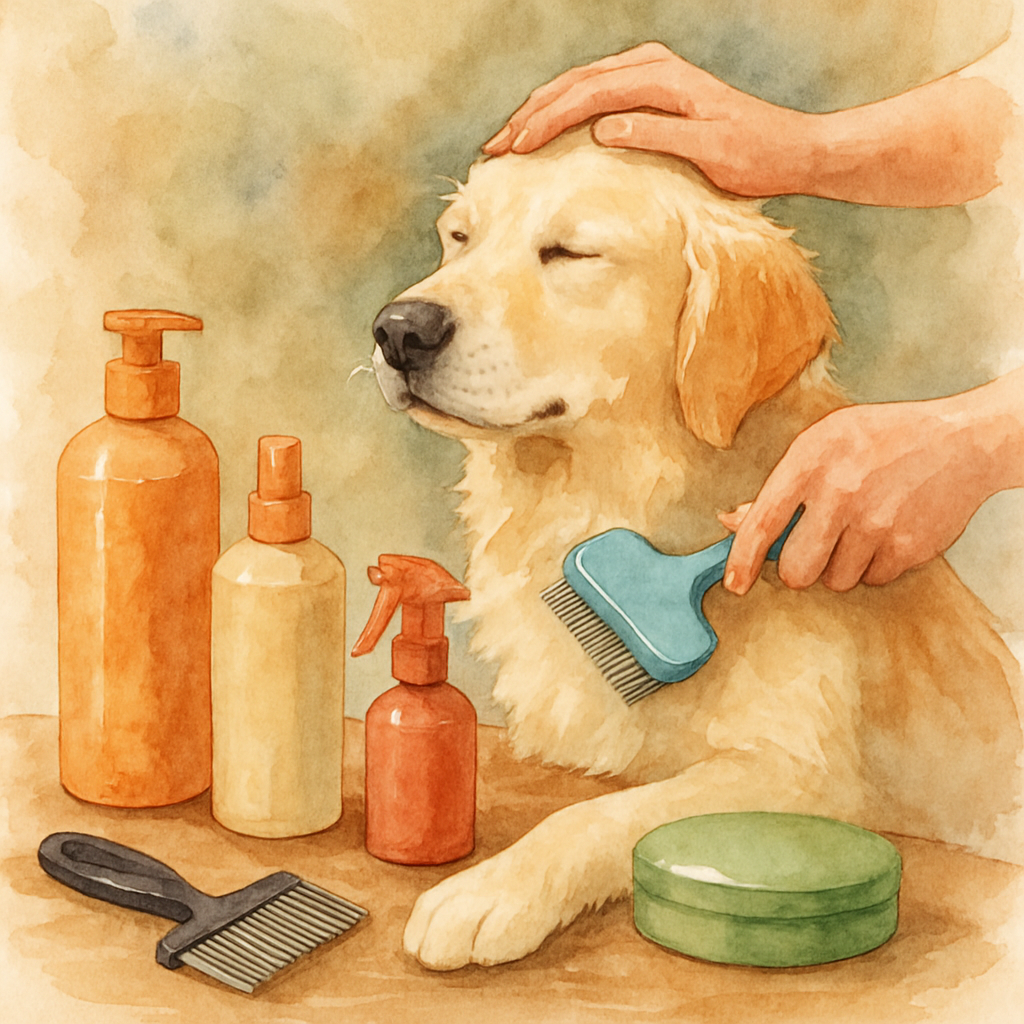
Bathing removes dirt and dander, but overbathing can dry skin. Tailor frequency and products to your pet’s skin and coat needs.
Shampoo types
- Everyday/hypoallergenic: Mild cleansers without dyes or heavy fragrance; good default choice.
- Oatmeal/aloe soothing: For occasional itchiness or sensitive skin.
- Medicated (antifungal/antibacterial): Only under veterinary guidance.
- Deodorizing/skunk-specific: Neutralizes odors; skunk shampoos target thiols specifically.
- Flea/tick shampoos: Often short-acting; talk to your vet about safe, effective preventives instead.
- Waterless/foam shampoos: Spot-cleaning between baths or for pets who hate water.
- Cat-specific formulas: Cats groom themselves; choose very mild, low-residue products to avoid irritation.
Conditioners and coat sprays
- Rinse-out conditioners: Restore moisture after shampooing; helpful for long or curly coats.
- Leave-in detanglers: Reduce friction and breakage; spray on before brushing.
- Finish sprays: Light silicones or conditioning agents add shine and reduce static.
Bath tools that help
- Bathing tether or non-slip mat: Prevents slipping and panic.
- Handheld sprayer with gentle flow: Rinses faster, especially for dense coats.
- Rubber curry brush: Massages shampoo through the coat and lifts loose hair.
- Absorbent towels and chamois: Faster water removal than standard towels.
- Ear protection: Cotton balls loosely placed to minimize water entering ear canals; remove after bath.
Dryers
- High-velocity pet dryer: Blows water off the coat quickly; essential for thick or curly coats. Use a moderate setting and avoid eyes, ears, and genitals.
- Quiet human hair dryer on cool/warm only: Acceptable for small pets; hold several inches away. Never use hot settings.
Bath frequency guide (general): Short coats: every 4–8 weeks; long/curly: every 3–6 weeks with brushing between; cats: only when dirty or per vet advice. Adjust for lifestyle and skin health.
Ear, eye, and dental care
Small hygiene steps prevent infections and keep your pet comfortable. Add these to your grooming kit.
Ears
- Ear cleaner: Vet-recommended, pH-balanced solutions dissolve wax and dry quickly.
- Cotton pads or gauze: Wipe visible outer ear. Do not insert cotton swabs into the ear canal.
Signs of ear trouble: Odor, redness, dark discharge, head shaking. See your vet before cleaning if you notice these.
Eyes
- Eye wipes or saline: Gently remove discharge and debris.
- Tear-stain remover: Use according to label; persistent staining may indicate allergies or tear duct issues—ask your vet.
Teeth
- Pet-safe toothpaste (enzymatic): Never use human toothpaste (xylitol and fluoride can be toxic).
- Toothbrush: Finger brushes for beginners; dual-head brushes for thorough cleaning.
- Dental wipes or gels: Helpful for pets that won’t tolerate brushing; daily use is best.
Wipes, deodorizing, and paw care
- Pet wipes: Quick clean-ups for paws, face folds, and under-tail areas. Choose fragrance-light and alcohol-free.
- Deodorizing sprays: Light, pet-safe formulas for post-walk refreshes; avoid strong perfumes.
- Paw balm: Protects pads from salt, hot pavement, or dryness; apply after walks and before bed.
- Booties: Not a grooming item per se, but they reduce debris and paw damage, saving cleanup later.
Grooming kits by pet type
Dogs: by coat category
Short/smooth coats (boxers, pointers):
- Rubber curry/glove + bristle brush
- Mild shampoo + waterless shampoo for in-between
- Nail clippers or grinder + styptic powder
- Ear cleaner + cotton pads
- Pet wipes + paw balm
Medium/double coats (shepherds, huskies, labs):
- Undercoat rake + slicker brush + stainless steel comb
- Hypoallergenic shampoo; conditioner during sheds
- High-velocity dryer if possible
- Nail clippers/grinder + styptic
- Ear cleaner; wipes for paws and tail
Long/silky (yorkies, maltese, spaniels):
- Pin brush + slicker + fine/medium comb
- Leave-in detangler + light conditioner
- Mini trimmer for hygiene; guard combs for length
- Nail tools + styptic
- Ear/eye wipes; deodorizing spray
Curly/wool (poodles, doodles, bichons):
- High-quality slicker + sturdy stainless comb
- Dematting tool for occasional mats
- Two-speed clippers + #30 blade + guard combs
- Conditioner and leave-in detangler
- High-velocity dryer
Cats
- Soft slicker or grooming glove; flea comb for face and legs
- Waterless shampoo or very gentle cat shampoo (rare baths)
- Small scissor clippers or grinder on low; styptic powder
- Eye/ear wipes as needed
Note: Mats in cats can adhere tightly to skin—don’t yank. For severe matting or if the skin looks bruised or thin, see a professional groomer or vet.
Rabbits and small mammals (guinea pigs, chinchillas)
- Rabbits/guinea pigs: Soft slicker or bristle brush, stainless comb; small nail clippers and styptic. Avoid bathing unless directed by a vet.
- Chinchillas: Dust bath with chinchilla-specific dust (not sand); soft brush if needed. Never bathe with water.
Birds
- Misting spray bottle or shower perch for bathing
- Nail-friendly perches (varied textures) to reduce trims
- Styptic powder for accidental nail bleeds
Important: Beak trims should be performed by a veterinarian or certified professional only.
Reptiles
- Humidity control and shed aids (soaks, reptile-safe moisturizers)
- Soft toothbrush for scale cleaning when advised
Note: Improper humidity is the leading cause of shed problems; adjust habitat rather than overusing topical shed aids.
Setting up a home grooming station
- Non-slip surface: Rubber mat or yoga mat on a counter or sturdy table.
- Restraint: Grooming loop attached to a secure arm reduces fidgeting. Never leave a tethered pet unattended.
- Lighting: Bright, shadow-free light to see nails and tangles.
- Tool caddy: Keep brushes, combs, clippers, and styptic within reach.
- Treats and lick mats: Turn grooming into a positive training session.
Step-by-step flow that saves time
- Quick walk/potty break to release energy.
- Brushing and detangling before any bath—water tightens mats.
- Nail trim while the coat is dry; reward after each paw.
- Bath and conditioner; towel then dry thoroughly.
- Clip/trim if your pet requires a haircut; finish with a comb check.
- Ear and dental care; wipe paws and apply balm if needed.
How to choose quality products
- Materials: Stainless steel pins and combs resist rust; cushioned slicker pads reduce skin irritation.
- Ergonomics: Non-slip handles, balanced weight, and sizes matched to your hand reduce fatigue.
- Noise and heat: For clippers and grinders, read reviews about noise and vibration; check for heat management.
- Warranty and parts: Replaceable blades, batteries, and guards extend tool life.
- Ingredient lists: Shampoos should be free from harsh sulfates, heavy perfumes, and unnecessary dyes for sensitive pets.
- Species-appropriate: Cat skin is more sensitive; birds and small mammals have unique needs—never default to dog products.
Cleaning, disinfecting, and tool safety
- Brushes/combs: Remove hair after each use; wash periodically in warm soapy water, rinse, and dry fully.
- Clippers/blades: Brush out hair, disinfect with clipper spray, oil blades before and after each session.
- Grinders: Tap out dust, wipe the drum; replace sanding bands when smooth or clogged.
- Shampoo gear: Rinse bottles and pumps occasionally to prevent buildup; store in a cool, dry place.
- Hygiene: One pet, one set of tools if you have a contagious skin condition in the home; disinfect between pets.
When to call a pro: Severe matting, aggressive or highly anxious behavior, medical skin conditions, or breed-standard show cuts are best handled by a professional groomer or your veterinarian.
Budget and eco-friendly options
- Starter kit (budget): Rubber curry or glove, slicker brush, combo comb, small scissor clippers, styptic, hypoallergenic shampoo, ear cleaner, pet wipes.
- Upgrade path: Add undercoat rake (double coats), nail grinder, high-velocity dryer, two-speed clippers with guard combs, leave-in detangler.
- Eco-minded picks: Bamboo-handled brushes, concentrated shampoos (dilute before use), refill pouches, fragrance-free formulas, and durable tools that can be serviced rather than replaced.
Seasonal grooming game plan
- Spring/fall sheds: Increase brushing to daily for double coats; use undercoat rakes and high-velocity dryers after baths to blow out loose hair.
- Summer: Focus on paw balm for hot pavement, tick checks, light shampoos, and avoid shaving double-coated breeds (it can worsen heat management).
- Winter: Moisturizing conditioners, wipe road salt off paws after walks, keep nails trimmed for traction.
Troubleshooting common problems
- Mats behind ears/under armpits: Spray detangler, hold hair above the mat to protect skin, and use a dematting comb with tiny, gentle strokes. If the mat is tight to skin, see a pro.
- Pet panics at the clipper/grinder: Introduce tools off, reward for sniffing; progress to short on/off bursts at a distance; only touch when relaxed. Consider quieter models.
- Pink skin after brushing: You’re brushing too hard or with the wrong tool. Switch to softer brushes and reduce pressure.
- Greasy or flaky coat: You may be overbathing, using the wrong shampoo, or not rinsing well. Try a milder formula, add conditioner, and extend time between baths.
- Nail won’t stop bleeding: Apply styptic with pressure for 2–3 minutes. If bleeding continues, contact your vet or urgent care.
- Persistent odor after bath: Check ears, skin folds, and teeth; lingering odor may indicate infection—consult your vet.
FAQ
How often should I brush my pet?
Short coats: 1–2 times per week. Long, curly, or double coats: at least every other day, daily during shedding seasons. Consistency prevents mats and reduces bath time.
What’s the safest nail tool for beginners?
A sharp, correctly sized scissor clipper plus styptic powder is straightforward. For dark nails or shaky hands, a quiet grinder on low speed lets you remove small amounts gradually.
Can I use my shampoo on my dog or cat?
No. Human shampoos can disrupt pet skin pH and cause irritation. Choose pet-specific formulas; use medicated shampoos only with veterinary guidance.
Should I shave my double-coated dog in summer?
Generally, no. Double coats insulate against heat and sun. Instead, brush frequently, remove dead undercoat, provide shade and water, and consider a cooling vest or mat.
How do I pick the right clipper blade?
#10 is a safe all-purpose blade for sanitary areas and paw pads. For length cuts, use guard combs over a #30 or #40 blade. If you’re unsure, start with longer guards and work shorter as needed.
What if my pet has sensitive skin?
Choose hypoallergenic, fragrance-light shampoos and soft brushes. Avoid overbathing, rinse thoroughly, and add a leave-in conditioner for slip. If redness or itching persists, talk to your vet.
Is ear powder or hair plucking necessary?
Not usually. Routine cleaning with a pet-safe ear cleaner is enough for most pets. Ear hair plucking can irritate skin—ask your groomer or vet whether it’s appropriate for your breed and individual pet.
Final thoughts
The best grooming products for pets match your animal’s coat, skin, and comfort level. Start with a core kit—brush, comb, nail tool, gentle shampoo, ear cleaner—and build up as you gain confidence. Prioritize calm handling, short sessions, and positive reinforcement. When in doubt, or if you notice signs of pain, infection, or severe matting, contact your veterinarian or a professional groomer for help.