Category: Pet Grooming & Hygiene
The Ultimate Guide to Pet Grooming and Hygiene for Cleaner, Healthier Pets
The Ultimate Guide to Pet Grooming and Hygiene for Cleaner, Healthier Pets
Grooming is preventive health care. A consistent routine keeps skin, coat, nails, ears, teeth, and habitats clean while giving you a chance to spot problems early—before they turn into vet emergencies. Use this how-to guide to build a simple, repeatable schedule, choose the right tools, and learn safe techniques for dogs, cats, small mammals, birds, and reptiles.
Build a Grooming Routine That Works: Daily, Weekly, Monthly, Seasonal
Start with a realistic plan you can keep. Consistency matters more than intensity. Adjust the frequency based on species, coat type, lifestyle, and health.
Daily basics
- Quick body check: run hands over your pet to feel for burrs, mats, ticks, scabs, new lumps, or sore spots.
- Eyes and face: wipe tear stains or food debris with a damp, soft cloth.
- Teeth: brush once daily if possible (especially dogs and cats). Offer chew time or dental toys if brushing isn’t yet accepted.
- Litter/cage/terrarium: spot-clean waste and wet bedding. Replace soiled substrate areas.
- Fresh water and clean bowls: wash food and water dishes with hot soapy water, rinse, and air-dry.
Weekly essentials
- Brushing/de-shedding: most dogs and cats need a thorough brush-out 1–3 times per week. Small mammals benefit from gentle weekly brushing, especially during molts.
- Ears: quick look and sniff. Clean only if waxy or dirty with a pet-safe solution.
- Nails: check length. Trim as needed (fast-growing nails may need weekly care).
- Habitat refresh: replace a portion (25–50%) of small-mammal bedding; wipe cage bars and accessories. For reptiles, remove feces and shed pieces; clean hides and water bowls.
- Grooming tools: rinse hair from brushes, disinfect nail tools, wash grooming towels.
Monthly or every 4–8 weeks
- Baths for dogs: frequency depends on coat and lifestyle (see bathing section). Many do well every 4–8 weeks; oily or allergy-prone breeds may need more frequent medicated baths per vet guidance.
- Full dental hygiene review: replace toothbrush heads, check gums for redness or bleeding, assess breath.
- Thorough habitat clean: deep-clean cages/terrariums, rotate and disinfect toys, wash bedding on hot cycle.
Seasonal or as needed
- De-shedding blitz: during spring/fall coat blows, increase brushing to daily for heavy shedders.
- Flea/tick review: confirm preventives are up to date; treat the environment if needed.
- Professional groom: long/curly-coated breeds may need 4–8 week trims; cats with dense coats benefit from occasional professional de-matting.
- Tool maintenance: sharpen or replace dull clipper blades and nail trimmers; replace worn brushes.
Example starter routines
- Active short-coated dog (e.g., Lab): brush 2–3x/week; nails every 2–4 weeks; bathe every 6–8 weeks; ear check weekly.
- Longhaired cat (e.g., Persian): brush/comb daily; nails every 2–4 weeks; bathe rarely or as needed; eye cleaning daily.
- Rabbit: gentle brushing 1–3x/week (daily during sheds); nail trim every 4–8 weeks; never bathe; deep-clean enclosure monthly.
Tools You Actually Need (and What to Skip)
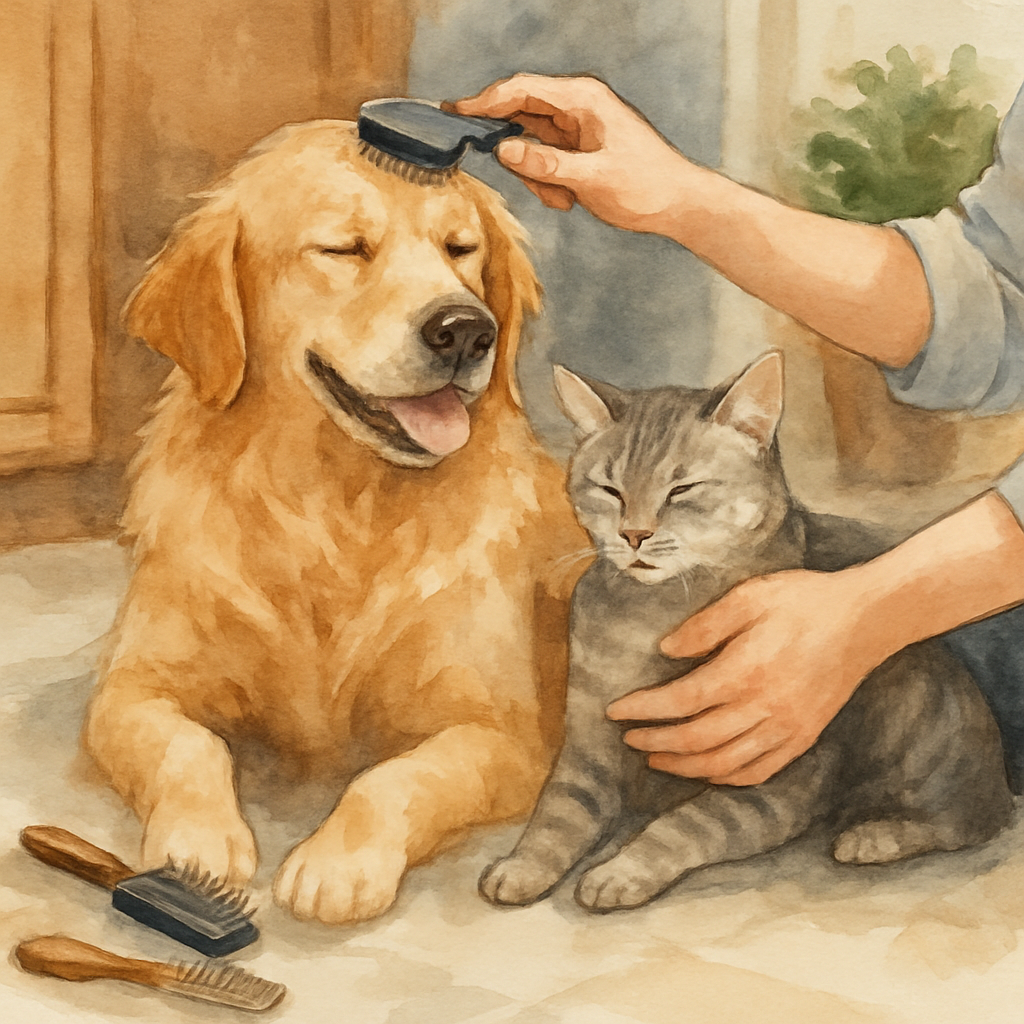
Start simple, then add specialty tools if your pet’s coat or health requires it.
Brushes and combs
- Slicker brush: ideal for de-tangling and removing loose hair from medium/long or curly coats.
- Bristle or rubber curry: best for short coats, massaging skin and lifting debris.
- Undercoat rake/deshedder: for double-coated dogs/cats during shedding seasons; use gently to avoid scraping skin.
- Greyhound/metal comb: essential for line-combing long coats and finding hidden mats behind ears and in armpits.
- Flea comb: ultra-fine teeth; great for spotting fleas and debris on cats, small dogs, and small mammals.
Nail and paw care
- Nail clippers: scissor-style for cats/small pets; guillotine or heavy-duty scissor for dogs. Keep sharp.
- Nail grinder (Dremel-style): smooths edges and reduces quick cuts; introduce gradually with treats.
- Styptic powder or cornstarch: to stop minor bleeding if you nick the quick.
Bathing and skin
- Pet-safe shampoo: pick a formula for your pet’s coat/skin; avoid human products. Medicated formulas only under vet advice.
- Conditioner or detangler: helpful for long/curly coats to prevent mats.
- Non-slip mat and gentle sprayer: reduce stress and slipping in the tub or sink.
- Microfiber towels and a cool/low-heat dryer: dry thoroughly without overheating.
Ears, eyes, and teeth
- Ear cleaner: vet-approved, non-stinging solution; cotton balls or gauze (no deep swabs).
- Toothbrush and pet toothpaste: never human toothpaste. Finger brushes can help beginners.
- Eye wipes: pet-safe, fragrance-free wipes for tear stains and debris.
What to skip or use with caution
- Human shampoos, vinegar in ears, hydrogen peroxide on skin wounds—can irritate and delay healing.
- Essential oils, especially around cats and birds; tea tree oil is toxic to cats.
- Hot blow-dryers: risk of burns and heat stress; use cool/low settings only, keep moving.
- Clipper work on matted pets without training; severe mats can hide thin or damaged skin.
How to Bathe Pets Safely
Bathing removes dirt, allergens, and excess oils, but too-frequent baths can dry the skin. Match frequency to coat and activity, and focus on gentle technique.
General steps (dogs and some cats)
- Brush first: remove tangles and loose hair before wetting; mats tighten when wet.
- Prepare the space: non-slip mat, lukewarm water (test on your inner wrist), towels ready.
- Wet thoroughly: avoid spraying directly into ears/eyes. Use a cup or sprayer close to the coat to reduce splash noise.
- Shampoo: dilute per label; massage from neck to tail, then legs and paws. Lift folds and work to the skin. Avoid eyes/ears.
- Rinse, then rinse again: residue causes itch and dandruff. Water should run clear; run your fingers through to be sure.
- Condition (optional): especially for long/curly coats. Rinse well.
- Dry: squeeze water out with towels; use a cool dryer while brushing to prevent tangles; keep dryer moving.
How often to bathe dogs
- Short/smooth coats (e.g., Beagle): every 6–10 weeks, or after muddy outings.
- Double coats (e.g., Husky): every 6–12 weeks; prioritize brushing and de-shedding.
- Long/curly (e.g., Poodle, Doodle): every 3–6 weeks with regular trims; condition to prevent matting.
- Skin conditions: follow your veterinarian’s medicated bath schedule.
Cats and bathing
- Most healthy cats rarely need full baths; routine brushing and spot-cleaning are usually enough.
- Bath only if truly dirty, sticky, or advised by a vet. Use warm water, calm handling, and cat-safe shampoo.
Small mammals, birds, reptiles
- Rabbits/guinea pigs: do not bathe; it’s stressful and can cause hypothermia. Use spot cleaning and brushing.
- Chinchillas: provide a dust bath 2–4 times/week with chinchilla-specific dust; no water baths.
- Birds: offer a shallow dish or a light mist bath; never use soap on feathers.
- Reptiles: provide shallow soaks in lukewarm, dechlorinated water to aid shedding; never forcefully peel shed.
Brushing and De-Shedding Techniques
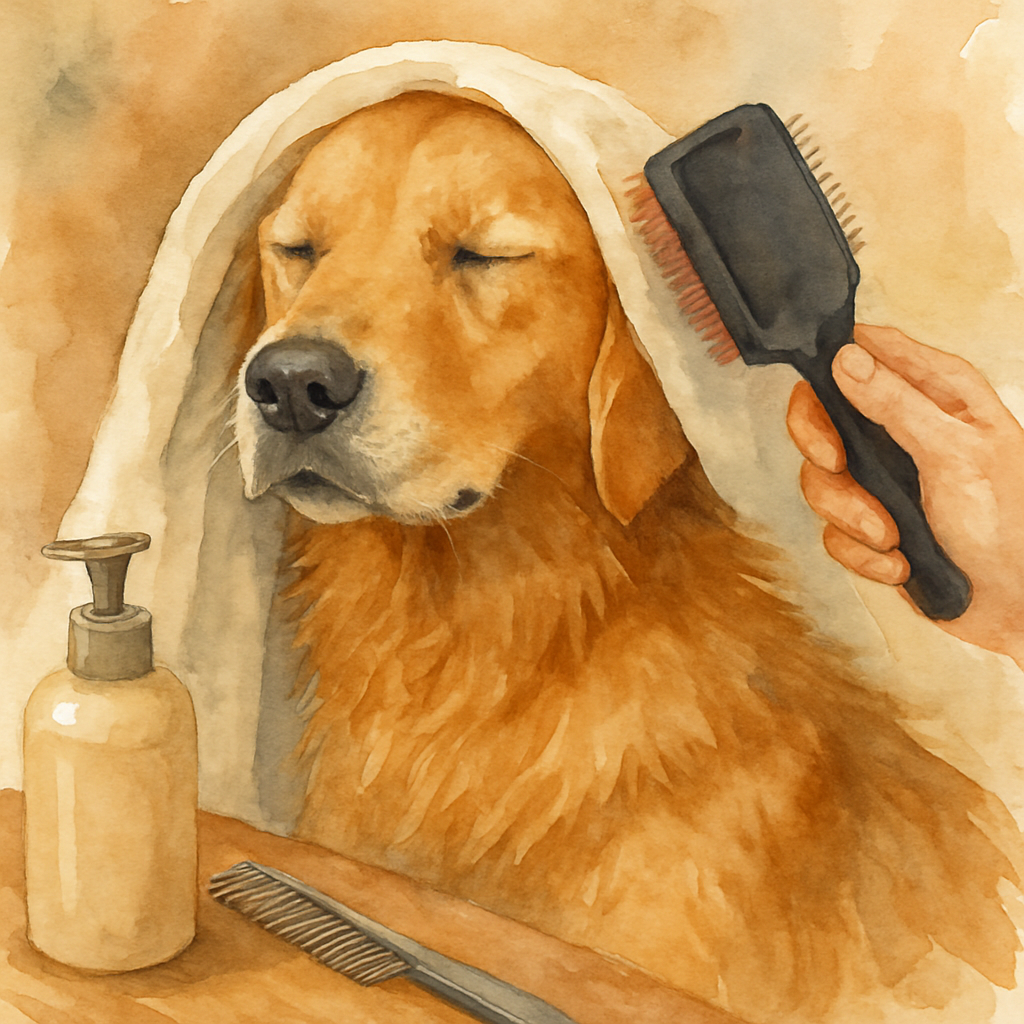
Regular brushing spreads natural oils, reduces shedding, and keeps skin healthy. Match your technique to coat type.
Short coats (single layer)
- Tools: rubber curry or bristle brush; finishing with a damp cloth.
- Method: gentle circular motions with the curry to lift hair; brush with the grain to polish.
Double coats (undercoat + guard hairs)
- Tools: undercoat rake, slicker brush, metal comb.
- Method: work in sections, start with an undercoat rake to remove loose undercoat, then slicker. Finish with a comb to check for snags. Never shave double coats; it can damage regrowth and impair temperature regulation.
Long, silky, or drop coats
- Tools: slicker brush, metal comb, detangling spray.
- Method: line-brushing—lift a thin layer of hair and brush from skin outward. Use a comb to confirm no hidden mats, especially behind ears, armpits, groin, and tail base.
Curly and wavy coats
- Tools: slicker brush, comb, conditioner.
- Method: brush thoroughly before and after baths; blow-dry while brushing to straighten and prevent post-bath matting. Schedule regular trims to keep coat manageable.
Cats
- Shorthaired: weekly brushing with a rubber brush or grooming glove; finish with a fine comb during shedding.
- Longhaired: daily combing with a wide-tooth then fine-tooth comb. Break small mats with a mat splitter; never tug skin.
Small mammals
- Rabbits/guinea pigs: use soft slickers or grooming gloves. During heavy molts, daily sessions help prevent ingestion of hair.
- Ferrets: weekly brushing; avoid frequent bathing that can increase oiliness.
Managing mats safely
- Small mats: hold hair near the skin to avoid pulling, apply detangler, and gently pick apart with a comb or mat splitter.
- Severe matting: see a professional groomer or veterinarian. Mats can conceal thin skin and sores; clipping at home risks injury.
Nail, Paw, and Claw Care
Proper nail length supports healthy posture and prevents painful splits. Paws and pads protect against heat, cold, and rough surfaces.
Understand the quick
- White nails: the pink quick is visible; trim just below it.
- Black nails: trim tiny slivers at a time; watch for a gray/oval center on the cut surface, indicating you are close.
Safe nail-trimming steps
- Desensitize: touch paws daily and reward. Introduce the clipper/grinder near the paw with treats before trimming.
- Hold the paw gently: spread toes, isolate one nail at a time.
- Trim at a slight angle following the nail’s natural curve; take small amounts.
- Use a grinder to round sharp edges if your pet tolerates it.
- Keep styptic powder handy for accidental nicks; apply pressure and a small amount of powder.
How often to trim
- Dogs: every 2–6 weeks depending on growth and exercise surface. Dewclaws overgrow fastest—check often.
- Cats: every 2–4 weeks; provide scratching posts to maintain claws between trims.
- Rabbits/guinea pigs/ferrets: every 3–6 weeks; use small scissor clippers.
- Birds/reptiles: consult an experienced avian/herp vet or groomer. Proper perches and surfaces often manage length, but some individuals still need trims.
Paw and pad care
- Inspect pads for cracks, foxtails, and ice balls; trim paw fur flush with pads to reduce slipping and debris.
- Rinse paws after walks on salt-treated or hot surfaces; use pet-safe balms for protection.
Ear Cleaning Made Easy
Most pets only need ears cleaned when they look or smell dirty. Over-cleaning can irritate ear canals.
Quick ear check
- Look: light pink, minimal wax, no swelling.
- Smell: mild or neutral; strong odor suggests infection.
- Watch for head shaking, scratching, redness, or discharge.
How to clean
- Use a pet-safe ear cleaner. Fill the ear canal until you see fluid, but don’t force.
- Massage the base of the ear for 20–30 seconds to loosen debris.
- Let your pet shake. Wipe the outer ear and folds with cotton balls or gauze.
- Do not insert cotton swabs deep into the ear canal.
Note: Ear plucking (removing hair from ear canals) is controversial; only do it if specifically advised by your veterinarian or a skilled groomer for your pet’s breed and condition.
Eye, Skin, and Coat Health Checks During Grooming
Turn grooming time into a top-to-tail health exam.
Eyes
- Clear, bright, minimal discharge. Clean tear stains with pet-safe wipes; keep hair trimmed around eyes for longhaired breeds.
- Redness, squinting, cloudiness, or green/yellow discharge warrants a vet visit.
Skin and coat
- Part the hair and inspect skin for flakes, redness, hot spots, rashes, scabs, or parasites.
- Check common mat zones: behind ears, collar area, armpits, groin, tail base, and between toes.
- Smell the coat—sour or yeasty odor may signal skin or ear issues.
Fleas and ticks
- Fleas: comb around the rump and neck. Flea dirt (black specks) turns reddish when wet.
- Ticks: use fine-tipped tweezers to grasp close to the skin and pull upward with steady pressure. Clean the site with antiseptic. Dispose of the tick per local guidance.
Lumps and bumps
- Note size, shape, color, and whether it’s movable or firm. Photograph with a ruler for comparison and consult your vet about new or changing masses.
Dental Hygiene 101
Oral care supports whole-body health. Plaque turns to tartar in as little as 48 hours, so frequency counts.
Toothbrushing basics
- Choose pet toothpaste (enzymatic helps) and a soft brush sized to your pet.
- Start slow: let your pet lick toothpaste, then rub a small amount on outer teeth with your finger.
- Brush the outer surfaces in gentle circles for 30–60 seconds per side; focus on molars where plaque builds.
- Work up to daily brushing; even 3–4 times/week makes a difference.
Extra dental helpers
- Dental chews and toys with the VOHC seal.
- Water additives and oral gels as directed by your vet.
- Professional dental cleanings under anesthesia as recommended.
Species notes
- Cats: aim for short, positive sessions; some accept gauze-wrapped fingers better than brushes at first.
- Rabbits/guinea pigs: teeth grow continuously; uneven wear can cause malocclusion. Watch for drooling, dropping food, or weight loss—see a vet promptly.
- Birds/reptiles: do not brush teeth or beaks; provide proper diet and perches; beak/nail trims by a qualified professional when needed.
Species-Specific Grooming Guides
Dogs
- Brushing: 1–7x/week depending on coat. Increase during shedding.
- Bathing: every 3–12 weeks by coat and activity. Rinse thoroughly.
- Ears: weekly check; clean if waxy. Floppy-eared breeds may need more help.
- Nails: every 2–6 weeks; include dewclaws.
- Anal glands: only express if symptomatic and trained; otherwise, have a vet/groomer do this.
Cats
- Brushing: shorthaired weekly; longhaired daily to prevent mats and hairballs.
- Nails: every 2–4 weeks; use positive reinforcement.
- Bathing: rarely; spot-clean and wipe. Use cat-safe products only.
- Ears/eyes: wipe debris gently; watch for mites or infections.
Rabbits and guinea pigs
- Brushing: weekly or more often during sheds; be gentle—skin tears easily.
- Nails: every 4–8 weeks; have styptic ready.
- Bathing: avoid; spot-clean with a damp cloth and dry thoroughly.
- Habitat: remove soiled bedding daily; deep clean monthly.
Ferrets
- Brushing: weekly; manage shedding seasons with more frequent brushing.
- Bathing: infrequent; overbathing increases oil production and odor.
- Ears: ferrets can accumulate wax—clean gently with ferret-safe solution as needed.
Birds
- Bathing: offer a shallow dish or mist 2–4x/week; no soaps.
- Nails/beak: may need trims by an avian vet; provide varied perch sizes/textures.
- Feathers: never cut blood feathers; consult a pro for wing trims if chosen.
- Cage hygiene: daily spot-clean; full clean weekly; disinfect perches and toys regularly.
Reptiles
- Humidity and sheds: maintain species-appropriate humidity; provide shedding aids (humid hides, soaks).
- Nails and scales: some reptiles need periodic nail or beak trims; seek herp-experienced care.
- Enclosure hygiene: spot-clean daily; deep clean monthly with pet-safe disinfectants; rinse thoroughly.
Setting Up a Grooming-Friendly Home
Preparation reduces stress for you and your pet.
- Choose a quiet, well-lit space with a non-slip surface (yoga mat or rubber bath mat).
- Stage supplies within arm’s reach: brushes, towels, cleaner, treats, and a safe tether if needed.
- Use high-value treats and calm praise. Keep sessions short and end on a positive note.
- Protect drains with hair catchers; use a handheld sprayer or pitcher for gentle rinsing.
Training for stress-free grooming
- Week 1: handling and tools. Touch ears/paws with treats; show tools without using them.
- Week 2: brief contact. One brush stroke, one nail tap with the clipper—reward and stop.
- Week 3: increase duration slowly. A few nails per session, a few minutes of brushing.
- Week 4: full mini-groom. Keep breaks and rewards frequent; stop before frustration rises.
If your pet shows fear or aggression, work with a certified trainer or low-stress handling groomer.
Common Grooming Mistakes and How to Avoid Them
- Overbathing: strips oils and irritates skin. Adjust frequency to coat type and lifestyle.
- Using human products: pH and ingredients can harm pets. Choose species-appropriate formulas.
- Shaving double coats: can damage insulation and regrowth; opt for de-shedding instead.
- Clipping mats against the skin without training: risk of cuts; seek professional help for severe mats.
- Hot blow-drying: use cool/low heat and constant movement to avoid burns.
- Ear swabs deep in the canal: pushes debris deeper and risks injury. Wipe outer ear only.
- Skipping nail care: long nails change posture and can split or tear.
- Forcing handling: creates lasting fear. Use desensitization and rewards; stop if stress rises.
Budgeting and When to Hire a Professional Groomer
DIY grooming saves money, but some tasks or coats benefit from professional care.
- DIY essentials: brushing, moderate nail trims, ear wipes, routine baths.
- Hire a pro for: severe matting, breed-specific cuts, hand stripping, difficult behavior, senior or medically fragile pets.
- Mobile grooming: a good option for anxious pets or limited mobility households.
- Budget tips: invest in a few quality tools, keep to a routine to prevent mats, and learn proper techniques to avoid costly fixes.
Quick Reference: Age and Season Considerations
- Puppies/kittens: short sessions, frequent rewards. Avoid full baths until old enough and warm the environment well.
- Seniors: gentler handling, non-slip surfaces, shorter sessions; check skin for pressure sores and watch joint comfort.
- Brachycephalic breeds (short-nosed): avoid heat; dry faces thoroughly; keep wrinkles clean and dry.
- Hot weather: avoid daytime heat for baths and drying; prevent pavement burns on pads.
- Cold weather: dry completely before going outdoors; avoid wet fur mats and ice buildup between toes.
Hygiene Beyond the Pet: Bedding, Tools, and Home Cleanliness
Clean surroundings support skin and respiratory health.
Bedding and soft items
- Wash pet bedding weekly on hot with pet-safe detergent; dry thoroughly.
- Wash or wipe collars, harnesses, and leashes monthly; more often if they get dirty or salty.
- Rotate and clean toys; discard cracked or frayed items.
Bowls and grooming tools
- Food bowls: wash after every meal; water bowls daily.
- Brushes/combs: remove hair and wash with warm soapy water; disinfect monthly; dry fully to prevent rust.
- Nail tools: wipe with alcohol after use; replace if dull or nicked.
Enclosures and habitats
- Spot-clean daily, replace damp substrate, and wipe messes promptly.
- Monthly deep clean: remove the pet, wash with hot soapy water, then disinfect with a pet-safe product per label. If using diluted, unscented bleach, a common ratio is 1 tablespoon per quart of water (1:32). Let surfaces stay wet for 10 minutes, rinse thoroughly, and allow to dry before returning your pet.
- Ventilation: ensure good airflow without drafts; use HEPA filtration if you have heavy shedders or allergy concerns.
Sample Step-by-Step Grooming Sessions
Dog: 30–45 minute full groom at home
- 5 min: quick health check, detangle problem spots with spray.
- 10–15 min: brush-out (undercoat rake + slicker), comb to confirm no snags.
- 10–15 min: bath and thorough rinse; apply conditioner if needed.
- 10 min: towel and cool-dry while brushing to prevent tangles.
- 5 min: nails and paw trim; ear wipe if dirty.
Cat: 10–20 minute maintenance
- 2 min: treat and calm handling; wipe eyes if needed.
- 8–12 min: line-comb, focusing on armpits, belly, and behind ears.
- 3–5 min: trim a few nails; finish with treats. Split nails across sessions if needed.
Rabbit: 10–15 minute session
- 2 min: check underside for debris and scent glands for buildup.
- 5–10 min: gentle brushing; extra focus during sheds.
- 3 min: trim a few nails if due; offer a leafy treat to end.
Troubleshooting Common Grooming Challenges
- My pet hates the brush: try a softer brush, shorter sessions, and pair with lick mats or frozen treats. Brush while your pet calmly eats.
- Always tangles after baths: detangle and brush before bathing; use conditioner; blow-dry on cool while brushing.
- Black nails scare me: use a grinder, trim tiny amounts, and do fewer nails per session. A helper can shine a light from behind to see the quick in thinner nails.
- Greasy or flaky skin: reduce bath frequency, switch to a gentle shampoo, increase brushing. If it persists, ask your vet to check for allergies, parasites, or seborrhea.
- Tear stains on light-coated pets: keep eyes clean daily; ensure diet and water quality are good; rule out blocked tear ducts or infections with your vet.
Caution and When to Call the Vet
Stop and contact your veterinarian promptly if you notice any of the following: strong ear odor or discharge, persistent head shaking, sudden skin redness or oozing, painful or rapidly growing lumps, widespread hair loss, severe mats close to the skin, cracked or torn nails, eye redness/cloudiness, or lethargy after grooming. For urgent issues (bleeding that won’t stop, breathing trouble, heat stress, chemical exposure), seek emergency veterinary care immediately.
Frequently Asked Questions
How do I know if I’m brushing enough?
You should see minimal loose hair coming off during quick daily pets, few to no small tangles forming, and your comb should pass through to the skin without snagging. Increase frequency during shedding seasons.
What’s the safest way to trim a squirmy pet’s nails?
Work in two-person teams when possible: one feeds treats while the other trims. Do just 1–2 nails per session, use a grinder, and stop before stress escalates. Consider a trainer for cooperative care skills.
Should I use conditioner on my dog?
Yes for long, curly, or easily tangled coats; it helps prevent mats and static. Rinse thoroughly to avoid residue.
Is it okay to use baby wipes on pets?
Use pet-specific, fragrance-free wipes. Baby wipes can contain ingredients that irritate pet skin or be unsafe if licked.
How can I reduce shedding in my home?
Brush regularly, especially during seasonal sheds, feed a balanced diet with adequate fatty acids, bathe as appropriate, and run a HEPA vacuum or air purifier. De-shedding tools help if used gently.
Do cats need professional grooming?
Some do, especially longhaired or elderly cats prone to mats. A groomer experienced with cats can handle de-matting, sanitary trims, and safe drying.
Can I express my dog’s anal glands at home?
It’s best left to professionals unless your vet has taught you how and advised it. Incorrect technique can injure tissue or cause infections.
The Bottom Line
Plan small, regular grooming sessions. Choose a few quality tools, reward generously, and tailor the routine to your pet’s coat, age, and health. Thoughtful grooming keeps pets cleaner, more comfortable, and healthier—while strengthening your daily bond.