Pet Mental and Emotional Health: How to Build a Happier, More Balanced Pet
Caution: Sudden behavior changes, aggression, self-injury (such as persistent licking or feather plucking), appetite loss, or signs of pain can indicate a medical problem. Contact your veterinarian or an emergency clinic promptly for urgent or serious concerns.
Pets experience stress, joy, fear, frustration, and contentment—much like we do. Supporting your pet’s mental and emotional health is not just about preventing problems; it’s about creating daily conditions that allow the brain and body to feel safe, stimulated, and understood. Whether you live with a dog, cat, bird, or small mammal, the steps below will help you read your pet’s signals, build a calmer routine, and respond early to stress before it becomes a behavior issue.
What “Mental and Emotional Health” Means for Pets
Pet mental and emotional health refers to your animal’s ability to cope, adapt, and feel safe in everyday life. A mentally healthy pet:
- Shows curiosity and engages with their environment without being overwhelmed.
- Recovers from stressors in reasonable time (e.g., settles after a delivery person leaves).
- Displays stable eating, sleeping, grooming, and elimination habits.
- Communicates needs with clear, non-escalating signals—rather than going straight to barking, hissing, biting, or shutdown.
Emotional health is shaped by genetics, early experiences, social and physical environment, health status, training methods, and daily routines. The good news: many of these are within your control.
Reading Your Pet’s “Emotional Dashboard”
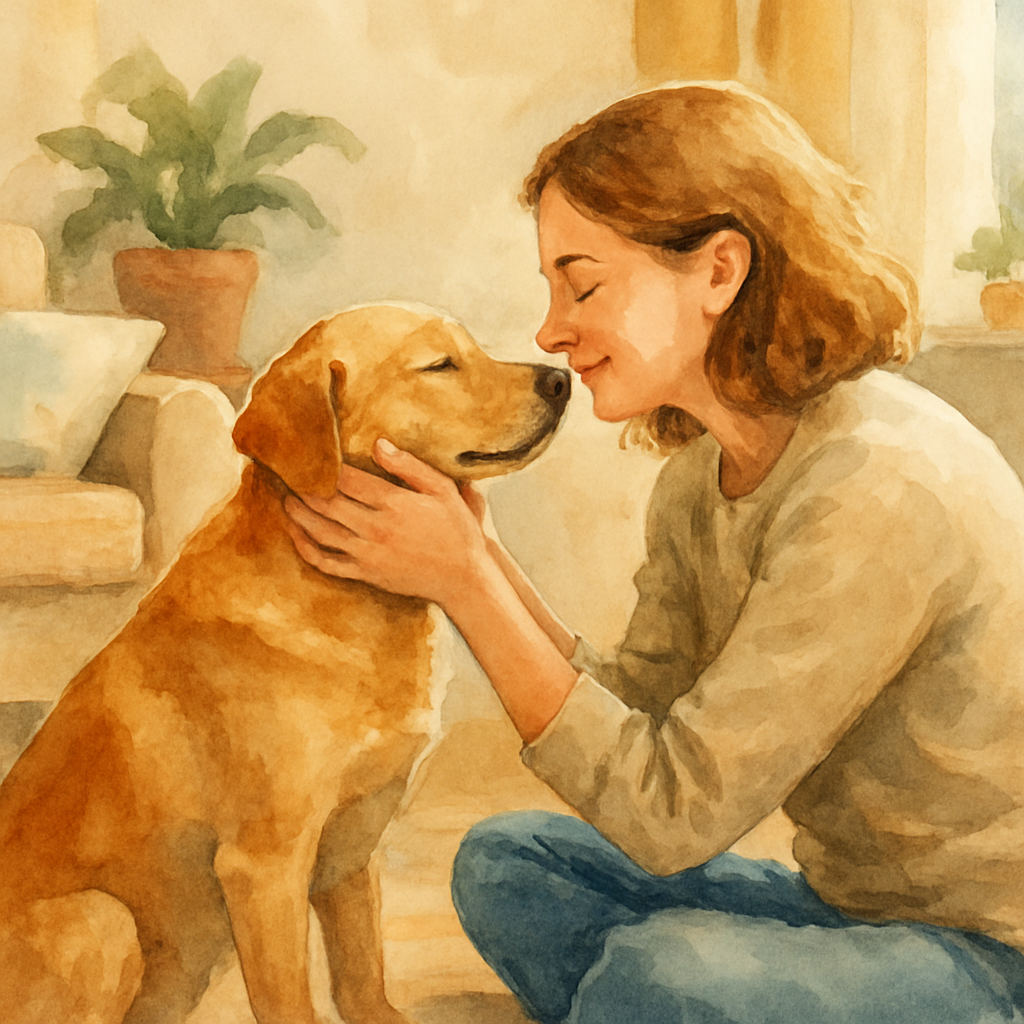
Learning to interpret body language helps you intervene early, before distress escalates. Look for these common signs across species:
Signs of Well-Being
- Soft eyes, relaxed jaw and body, normal breathing.
- Willingness to approach familiar people and spaces.
- Play bow (dogs), slow blink (cats), gentle preening (birds), exploratory sniffing.
- Regular appetite and elimination; restorative sleep.
Early Stress Signals
- Dogs: lip licking, yawning outside of sleepy contexts, head turns, paw lifts, sudden shedding, slowing or freezing, tucked tail, pinned ears.
- Cats: tail flicks, ears turning sideways/back, dilated pupils, piloerection (raised fur), hiding, decreased grooming, avoiding the litter box.
- Small mammals: teeth chattering, thumping (rabbits), over-grooming or barbering (guinea pigs), hiding.
- Birds: feather ruffling, pacing or retreat, eye pinning, beak grinding in tense contexts.
Indicators of Significant Distress
- Panting and drooling unrelated to heat or exercise.
- Destructive behavior when left alone, elimination accidents linked to stress, excessive vocalization.
- Self-injury (over-grooming, feather plucking), shutdown (refusing to move), aggression.
When you see early stress signals, reduce intensity: increase distance, lower noise, offer a safe retreat, or end the interaction kindly.
Common Mental Health Challenges by Species
Dogs
- Separation-related distress: Vocalizing, pacing, destruction at exits when left alone.
- Noise sensitivities: Fireworks, thunderstorms, appliances.
- Fear-based reactivity: Barking/lunging at dogs or strangers due to fear or frustration.
Cats
- Stress-related elimination issues: Avoiding the litter box due to territory conflicts, box aversion, or pain.
- Overstimulation/redirected aggression: Petting-induced aggression, attacking another cat after a startling event.
- Under-stimulation: Boredom leading to night zoomies, attention-seeking biting, or disruptive vocalization.
Small Mammals and Birds
- Rabbits/Guinea pigs: Boredom, loneliness, barbering, learned helplessness from rough handling.
- Birds: Feather plucking, screaming, pacing, stress from isolation or unpredictable routines.
Always rule out pain or medical conditions that mimic behavior problems. For example, urinary tract disease can drive cats to avoid the litter box; gastrointestinal upset can increase reactivity in dogs.
Root Causes to Consider

- Genetics and early development: Breed tendencies and early socialization windows strongly influence resilience.
- Past experiences: Traumatic or inconsistent handling can heighten fear responses.
- Environment: Noise, crowding, lack of safe retreat, and insufficient enrichment elevate stress hormones.
- Health and pain: Orthopedic pain, dental disease, GI discomfort, endocrine disorders, and skin conditions often present as behavior changes.
- Training methods: Punishment and aversives increase anxiety and suppress communication signals; positive reinforcement builds trust.
- Predictability: Inconsistent routines, sudden schedule shifts, and chaotic interactions erode security.
Foundations of a Calm, Confident Pet
Before addressing specific problems, establish these daily cornerstones:
- Predictable routine: Consistent wake, feed, exercise, and rest times reduce background stress.
- Safe zones: Provide a quiet area with comfortable bedding/perches, water, and chew/toy options; make it off-limits to visitors and children.
- Choice and consent: Allow your pet to approach and retreat during interactions; avoid forced handling.
- Enrichment: Use sniffing, foraging, puzzle feeders, and species-typical activities that satisfy instinctive needs.
- Positive training: Reinforce desirable behavior and teach coping skills like stationing on a mat, targeting, and calm settle.
- Quality sleep: Most pets need far more sleep than we do. Protect naps and overnight rest from interruptions.
Daily Routine Template for Emotional Balance
Use this sample schedule as a starting point and adjust to your pet’s species, age, and health:
- Morning: Calm greeting, potty/litter check, unhurried walk or play session focusing on sniffing and exploration; breakfast via puzzle or scatter feeding to slow intake and engage the brain.
- Midday: Rest time; brief training (2–5 minutes) on easy skills; quiet enrichment like a lick mat or safe chew.
- Afternoon: Sniff walk (dogs), interactive play (cats/birds), or forage time (rabbits/guinea pigs); water and nap access.
- Evening: Family time with low-key engagement; short training or handling practice (nail touch, harness on/off) with treats; dinner via foraging or slow feeder; wind-down routine before bedtime.
- Night: Uninterrupted sleep in a comfortable, dark, temperature-appropriate area.
Enrichment Ideas That Feed the Brain
Dogs
- Snuffle mats, scatter feeding in the yard, scent games (hide-and-seek with treats or toys).
- Food puzzles, stuffed Kongs, lick mats, braided towel treat rolls.
- Decompression “sniff walks” in quiet areas rather than high-arousal fetch marathons.
- Chews appropriate to dental health (ask your vet for safe options).
Cats
- Vertical territory: cat trees, shelves, window perches with bird-safe view.
- Interactive wand toys that mimic prey; end sessions with a “catch,” then feed a small snack.
- Hunting and foraging: treat balls, puzzle bowls, hidden kibble caches.
- Scratching options in multiple textures (cardboard, sisal, wood) placed by sleep and entry points.
Rabbits, Guinea Pigs, and Small Mammals
- Tunnels, hide boxes, platforms; safe chew branches and hay-based toys.
- Forage boxes filled with hay and a sprinkle of herbs or pellets.
- Gentle, voluntary handling on the floor; pair touch with food.
Birds
- Rotate perches, toys, and foraging opportunities; allow flight or flapping where safe.
- Training sessions using targets and perches; puzzle feeders with paper cups or boxes.
- Quiet, dark sleep area; consistent light/dark cycles.
Social Needs and Boundaries
- Puppies and kittens: Socialize positively during sensitive periods with brief, controlled experiences—surfaces, sounds, friendly people, gentle dogs/cats. Pair novelty with tasty treats.
- Adult rescues: Move slower. Build predictable routines and give ample time to observe from a distance before approaching.
- Multi-pet homes: Introduce with barriers (baby gates, crate-and-rotate, scent swapping). Provide resources in multiples: litter boxes (N+1 rule for cats), water stations, and resting spots to prevent competition.
- Kids and pets: Supervise all interactions. Teach children to invite, not insist; use two-finger pets or gentle chin rubs for cats; reward walk-aways.
Training for Emotional Resilience
Use reward-based methods to teach your pet how to feel safe and choose calm behaviors.
Core Skills
- Mat/Station training: Teach your pet to relax on a bed or mat. Reinforce for lying down, soft eye contact, and calm breathing. Use this “home base” for visitors or mealtime.
- Targeting: Nose-to-hand or perch targeting guides movement without force and builds confidence.
- Leave it/Take it and settle: Develop impulse control through short, upbeat sessions.
Desensitization and Counterconditioning (DS/CC)
To change emotions around a trigger (e.g., nail trimmers, strangers, fireworks):
- Expose your pet to the trigger at a very low intensity or distance where they’re calm.
- Pair that mild exposure with high-value reinforcement (treats, play).
- Gradually increase intensity only while your pet remains relaxed and engaged.
Keep sessions short (2–5 minutes), end on success, and retreat if stress signs appear.
Cooperative Care
- Teach “consent” positions: chin rest on a towel, paw rest on your hand, or step onto a perch.
- Break husbandry into tiny steps (look at brush, touch with brush, one stroke) with treats at each step.
- Use non-slip surfaces and warm, quiet rooms. Stop when your pet opts out and try a smaller step next time.
Exercise and Play That Calm the Brain
- Dogs: Balance physical outlets with nose work and decompression. High-arousal fetch can spike stress; alternate with sniffing, calm pattern games, or slow hikes. Adjust duration to age and breed; growing puppies need frequent short bouts and plenty of rest.
- Cats: Use prey-sequence play: stalk, chase, pounce, catch, then small snack. Short, frequent sessions beat one long burst.
- Small mammals/birds: Safe free-roam time, climbing/perching, and exploratory play reduce frustration.
Nutrition, the Gut–Brain Connection, and Calm
Diet influences energy, focus, and comfort. While there’s no single “anti-anxiety diet,” consider:
- Consistent, balanced nutrition: Feed a veterinarian-recommended, life-stage-appropriate diet.
- Foraging and slow feeding: Using puzzle feeders engages the brain and eases mealtime tension.
- Hydration and fiber (especially for cats and small mammals): Support GI comfort, which can influence behavior.
- Supplements and calming aids: Some pets may benefit from options such as omega-3s, pheromone products, or veterinary-prescribed anxiolytics. Always consult your veterinarian before adding supplements or making major dietary changes.
Sleep, Rest, and Recovery
Sleep is when learning consolidates and stress hormones normalize.
- Dogs: Many adult dogs need 12–14 hours of sleep; puppies and seniors need more. Provide quiet breaks after training and play.
- Cats: Cats sleep 12–16 hours and benefit from safe, elevated napping spots away from household traffic.
- Birds: Aim for 10–12 hours of dark, quiet sleep with a routine lights-out.
Protect these rest periods. A calm household rhythm is a powerful antidote to chronic stress.
Managing Common Stress Triggers
Visitors at the Door
- Pre-place your pet behind a gate or in a safe room with a chew or puzzle before guests enter.
- Teach a “go to mat” behavior and reinforce heavily during greetings.
- Instruct visitors: no leaning over, staring, or reaching; allow sniffing at the pet’s pace.
Alone Time and Separation Comfort Plan
- Establish a relaxing pre-departure routine: short sniff walk or play, then calm enrichment in a safe zone.
- Begin with ultra-short absences (seconds to a few minutes) that end before signs of distress.
- Use a camera to monitor; gradually increase duration only if your pet remains relaxed.
- Vary departure cues to avoid trigger stacking (pick up keys randomly without leaving sometimes).
- For persistent distress, consult your veterinarian and a qualified behavior professional.
Noise Sensitivities (Fireworks, Storms)
- Create a den: interior room, white noise or fan, blackout curtains; pre-load with treats and chews.
- Begin DS/CC weeks in advance using low-volume recordings paired with treats; increase volume slowly.
- During events, close windows, play calming soundtracks, and offer continuous low-effort enrichment (lick mats).
- Ask your vet about medical options if fear is severe.
Vet Visits and Handling
- Train cooperative care cues at home first; bring familiar bedding and high-value treats to the clinic.
- Use Fear Free or low-stress handling clinics when possible.
- Short “cookie visits” to the clinic for treats only can build positive associations.
Introducing Major Life Changes
New Baby
- Install baby gear early so your pet can adjust to sights and sounds.
- Teach a reliable stationing behavior and reinforce calm while you hold a swaddled doll before baby arrives.
- Maintain your pet’s exercise and enrichment; recruit help if needed.
New Pet
- Exchange scents before face-to-face meetings. Start with visual access at a distance.
- Use parallel walks (dogs) or room rotations (cats) and increase contact gradually while reinforcing relaxed body language.
- Keep resources ample and separated to prevent competition.
When to Seek Professional Help
Get expert guidance if you see aggression, self-injury, severe separation distress, sudden behavior changes, or if your plan stalls. Helpful professionals include:
- Veterinarian or board-certified veterinary behaviorist: Rule out medical causes and discuss behavior medications when appropriate.
- Certified behavior consultants or trainers: Look for positive reinforcement credentials (e.g., DACVB, CAAB, KPA-CTP, CCAB, IAABC, CPDT). Avoid aversive methods that use pain, fear, or intimidation.
Tools and Products That Support Calm
- Puzzle feeders and foraging tools: Choose difficulty levels that produce steady success; rotate weekly.
- Snuffle mats, lick mats, and safe chews: Promote licking/chewing behaviors associated with relaxation.
- Comfort dens: Covered crates (dogs), hide boxes (cats/rabbits), tents or tunnels.
- Visual barriers and baby gates: Reduce over-stimulation from windows or open spaces.
- Pheromone products and white noise machines: May ease stress for some pets; monitor your pet’s response.
Special Considerations
Seniors
- Watch for cognitive changes: disorientation, altered sleep-wake cycles, new anxiety, accidents.
- Soften bedding, add rugs for traction, use night lights, and keep layouts consistent.
- Ask your vet about pain control and supportive therapies if cognition is declining.
High-Drive or Brachycephalic Dogs
- Working and herding breeds need brain work (nose work, search games) more than endless fetch.
- Brachycephalic breeds may tire or overheat quickly; choose low-impact enrichment and monitor breathing.
Indoor-Only Cats
- Prioritize vertical space, daily play, window perches with bird-safe screens, and foraging.
- Place litter boxes in quiet, easy-access areas; scoop daily.
Rescue and Shelter Pets
- Decompression can take weeks to months. Keep routines simple and expectations low at first.
- Track small wins: taking a treat, exploring a new room, resting near you.
Measuring Progress: Simple Tracking That Works
Quantify behavior change so you can adjust effectively:
- Baseline: Record what happens now: frequency and intensity of barking, hiding, accidents, or pacing.
- Change one variable at a time: For example, add a morning sniff walk for two weeks before changing diet.
- Rate stress daily: Use a 0–5 scale for common triggers and note context (time, weather, visitors).
- Adjust with data: If stress rises, lower trigger intensity, shorten sessions, or increase reinforcement value.
Myths That Undermine Pet Mental Health
- “Ignore fear; they’ll get over it.” Without safe exposure and positive associations, fear often worsens.
- “Tired equals calm.” Over-exercise can increase arousal. Aim for balanced physical, mental, and social needs.
- “Punishment stops problem behaviors.” It may suppress signals but raises stress and risk of escalation.
- “Cats can’t be trained.” Cats learn quickly with short, positive sessions.
- “My pet is being spiteful.” Pets communicate needs; “spite” is often stress, confusion, or an unmet requirement.
Quick Weekly Checklist for a Happier, More Balanced Pet
- Daily species-appropriate enrichment (sniffing, foraging, climbing, shredding, chewing).
- Two to five short training sessions per week focused on calm behaviors.
- Protected rest windows every day; consistent bedtime routine.
- Preventive health: nail checks, coat/skin checks, dental hygiene, pain monitoring.
- Social time at your pet’s comfort level, with choice to opt out.
- Environment refresh: rotate toys, add a new scent trail or perch, rearrange a puzzle path.
- Log behavior notes to catch trends early.
Red Flags: Act Now
- New or escalating aggression, self-injury, or destructive behavior.
- Sudden changes in appetite, elimination, sleep, or mobility.
- Persistent panic when left alone or during noises.
- Any sign of pain or illness. Contact your veterinarian.
Putting It All Together
Create safety, offer choice, and enrich daily life. Use short, positive training to build coping skills. Protect sleep. Track progress. When in doubt, involve a veterinarian and a qualified behavior professional. These steps not only reduce stress and problem behaviors—they also grow trust and joy between you and your pet.
FAQ: Pet Mental and Emotional Health
How do I know if my pet is bored or anxious?
Bored pets seek stimulation: attention-seeking, pestering, zoomies at predictable times. Anxious pets show tension: pacing, panting, hiding, startle responses, and difficulty settling. Track patterns and add species-appropriate enrichment while reducing triggers to see which improves.
Can play really reduce anxiety?
Yes—structured, species-appropriate play releases energy, fulfills instincts, and boosts feel-good neurochemicals. Keep sessions short and end with a calming routine (sniffing, licking, or a small snack) to help the nervous system downshift.
Is crate training good or bad for mental health?
It depends on how it’s used. A crate can be a comforting den if introduced gradually with positive associations and ample out-of-crate time. It should never be used for punishment or as a solution for unmet exercise or social needs.
What calming aids are worth trying?
Puzzle feeders, snuffle mats, pheromone products, white noise, and gentle compression garments help some pets. Severe anxiety may require veterinary-prescribed medications alongside behavior therapy. Always discuss new products or supplements with your vet.
How long does behavior change take?
Small shifts can appear in days; durable change usually takes weeks to months. Progress is not linear—expect good and not-so-good days. Use your behavior log to guide gradual adjustments.
Should I punish barking or destructive behavior?
No. Punishment can suppress signals without addressing the cause and may increase fear or aggression. Identify triggers, meet needs, teach calm alternatives, and reinforce desired behaviors.
How much socialization is safe for a puppy or kitten?
Quality over quantity. Provide brief, positive exposures to varied people, animals, places, and sounds, paired with treats and rest. Avoid overwhelming or rough interactions. Follow your veterinarian’s guidance on timing around vaccinations.
When should I call the vet versus a trainer?
Call your vet first for sudden changes, suspected pain, self-injury, or severe anxiety. After medical issues are addressed, a qualified, reward-based trainer or behavior consultant can help implement a tailored plan.