Category: Aggression & Anxiety
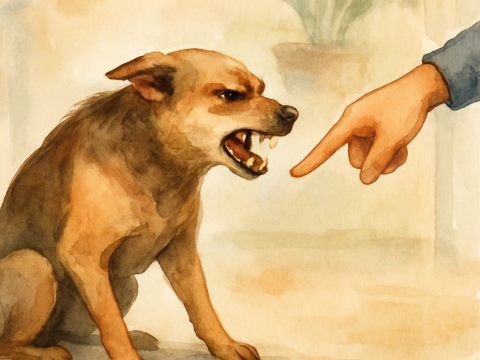
Pet Aggression and Anxiety: A Practical Guide to Safer, Calmer Behavior
Pet Aggression and Anxiety: A Practical Guide to Safer, Calmer Behavior
When pets show aggression or anxiety, they aren’t being “stubborn” or “bad.” They’re communicating. With the right mix of safety, management, training, enrichment, and veterinary support, most families can make steady progress toward calmer, safer behavior. This guide focuses on practical, humane steps for dogs and cats, with notes for other small pets.
- Use management first to prevent bites and rehearsed fear.
- Rule out medical pain or illness with your veterinarian.
- Train with positive reinforcement and gradual exposure (never flood or force).
- Track patterns and progress to tailor your plan.
- Call a certified trainer or veterinary behaviorist for urgent or severe cases.
Safety note: If your pet has caused puncture wounds, escalates quickly, displays uninterruptible aggression, or shows sudden behavior changes, contact your veterinarian immediately. If there is imminent risk to people or animals, separate safely and seek professional help at once.
What Counts as Aggression? What Counts as Anxiety?
Aggression is behavior intended to increase distance or control access to a resource. It can include growling, snarling, hissing, air-snapping, lunging, and biting. Aggression is usually driven by fear, stress, frustration, pain, or learned history.
Anxiety is ongoing worry or unease that can look like pacing, whining, hiding, trembling, destructiveness, hypervigilance, or elimination accidents. Separation anxiety and noise phobias are common examples.
Body Language: Early Warning Signs
Recognizing subtle signs lets you act before escalation.
- Dogs: Lip licking (outside meal context), yawning, whale eye (white of the eye shows), turning away, tucked tail, pinned-back ears, stillness/freezing, hard stare, piloerection (raised hackles), sudden scratch/shake-off.
- Cats: Flattened ears, dilated pupils, tail swish or bottlebrush tail, crouching, tucked limbs, piloerection, rapid grooming, growling, hissing. A cat that freezes with a tense body is not “comfortable.”
These signals often precede vocal or contact aggression. Respect and create space when you see them.
Common Causes and Triggers
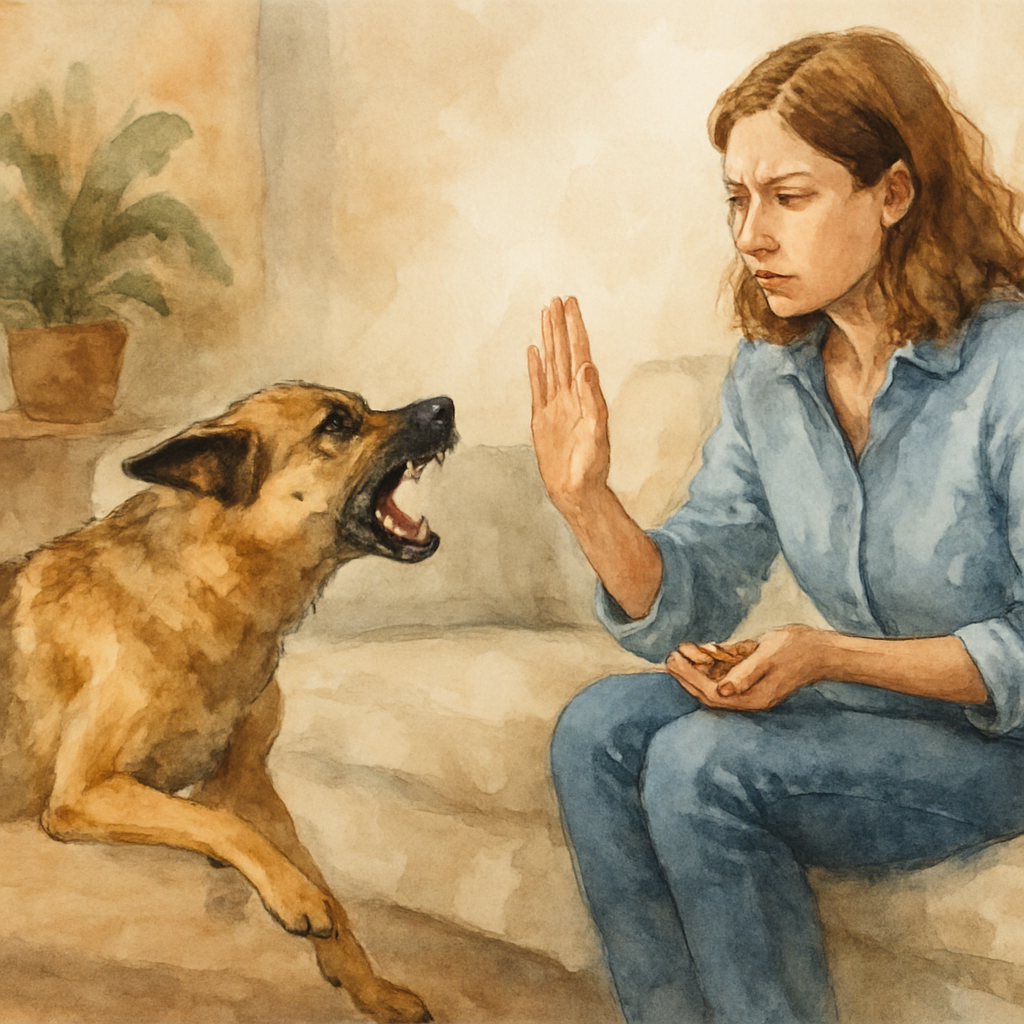
Understanding “why” guides “how” you fix it.
- Pain or medical issues: Arthritis, dental disease, GI upset, endocrine issues, vision/hearing loss, neurological changes, urinary tract disease (cats), and skin problems can all reduce tolerance.
- Fear and lack of socialization: Insufficient early positive exposure, one scary event, or chronic stress can sensitize pets to people, animals, places, or handling.
- Resource guarding: Protecting food, toys, beds, people, or stolen items.
- Territorial or protective behavior: Barking or attacking at doors, windows, or yards; defensive behavior around family members.
- Frustration and barrier reactivity: Big emotions on leash, behind fences, or in cars. Often looks like lunging and barking that stops when distance increases.
- Redirected aggression: Pet aroused by a trigger it can’t reach turns on the nearest target (another pet, or a person who tries to intervene).
- Play that tips into aggression: Overarousal, rough play, and poor bite inhibition, common in young dogs and cats.
- Anxiety disorders: Separation anxiety, generalized anxiety, noise and storm phobias, vet/grooming fear.
Immediate Safety and Management
Before you train, you manage. Management prevents bites and stops your pet from practicing problem behaviors.
Essential Management Tools
- Physical barriers: Baby gates, exercise pens, crates, rooms, and closed doors to separate pets and control space.
- Leashes and harnesses: Use a well-fitted Y-front harness for dogs; avoid retractable leashes around triggers. For cats, supervised harness time only if trained positively.
- Basket muzzle (dogs): Properly fitted and positively introduced. Allows safe training and vet care while the dog can pant and drink.
- Visual barriers: Window film, curtains, car shades reduce trigger visibility.
- Safe zones: Beds, crates, perches, and hideouts where the pet is never disturbed.
- Resource control: Feed pets separately; pick up high-value items when you can’t supervise; avoid tug-of-war over stolen objects—trade instead.
During an Incident
- Do not punish, yell, or grab collars. This can escalate fear or provoke bites.
- Create distance. Toss treats behind your pet while calmly moving away, or use barriers.
- Interrupt indirectly. Use a door, gate, blanket drop between fighting animals, or a break stick for dogs only if you have training and it is safe. Never put your hands between fighting animals.
- After a fight: Separate fully and allow 24–72 hours of decompression before reintroductions.
Assess the Problem: A Simple Behavior Map
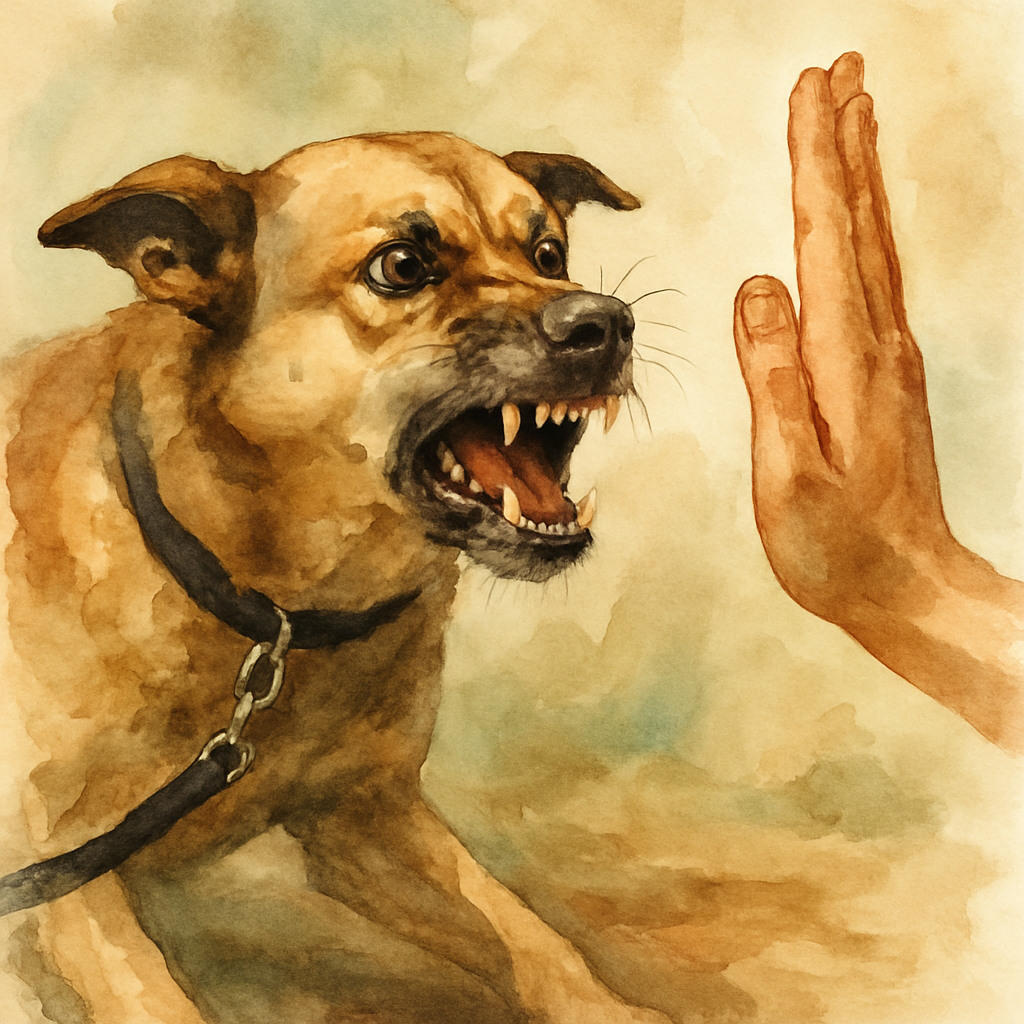
Pattern-tracking turns guesswork into a plan. Use the ABC framework:
- Antecedent (A): What happened right before? Who was present? Distance to trigger? Time of day?
- Behavior (B): What exactly did your pet do? Body language, duration, intensity.
- Consequence (C): What happened after? Did the trigger leave? Did attention or food appear?
Note “threshold”: the closest distance or intensity your pet can handle without escalating. Work below threshold during training.
If your pet has bitten, describe damage rather than labels like “aggressive.” Punctures, tearing, shaking, and multiple bites in one incident indicate higher risk. Share this info with your vet or trainer.
See the Veterinarian: Rule Out Medical and Discuss Support
Always involve your vet for new, severe, or changing behavior. Pain and illness often underlie aggression and anxiety. Your vet may recommend diagnostics (physical exam, bloodwork, imaging), pain control, supplements, pheromones, or prescription behavioral medications.
Medication is not a shortcut; it’s a seatbelt. It helps pets learn by reducing panic or reactivity. Combine meds with training and management for best results.
Urgent signs to call the vet now: sudden personality change, persistent lethargy, inappetence, disorientation, seizures, vocalization with handling, or urinary issues in cats.
Training Foundations That Actually Work
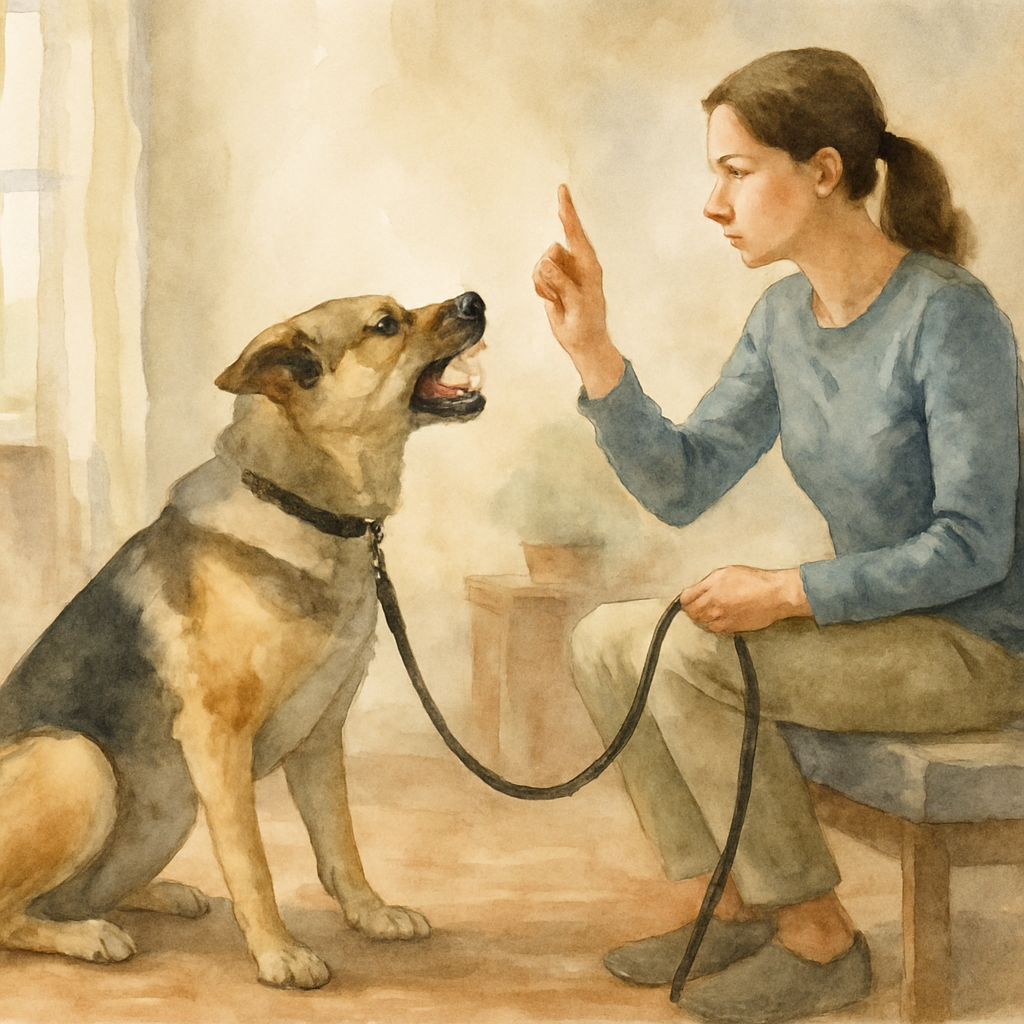
Effective behavior change follows three pillars:
- Management: Prevent rehearsals of the problem behavior.
- Desensitization and counterconditioning (DS/CC): Systematic, sub-threshold exposure paired with positive outcomes.
- Skills and outlets: Teach alternative behaviors and provide species-appropriate enrichment.
Desensitization and Counterconditioning (DS/CC)
Goal: Change the emotional response to a trigger from “uh-oh” to “oh good!”
- Identify the trigger and your pet’s threshold.
- Start below threshold (farther away, quieter, shorter duration).
- Pair the trigger with high-value rewards (food/play) the moment your pet notices but remains composed.
- End exposure before stress rises. Gradually increase difficulty across sessions, not within one session.
Keep sessions short (1–5 minutes). If your pet refuses treats or fixates, you’re too close—create distance.
Marker Training and Reinforcers
- Use a clicker or a consistent word like “yes” to mark the exact second your pet does the right thing.
- Pay with something your pet loves: pea-sized meat/cheese, warm canned food on a spoon (dogs/cats), lick mats, chase-and-pounce toys (cats), or favorite chews.
Core Calming Skills
- Engage/Disengage (Look at That): Mark and treat for calmly looking at the trigger and looking back to you.
- Mat/Station training: Teach “go to bed” and relax. Pair with calm massage, sniff mats.
- Pattern games: Predictable movement and food patterns reduce uncertainty. Example: step-treat-step-treat while passing mild triggers.
- Cooperative care: Use a chin rest, “start button” behaviors, and consent tests for handling, brushing, and nail trims.
Scenario Guides: Dogs
Leash Reactivity (Dogs Barking/Lunging on Walks)
Often fear or frustration. Your plan:
- Management: Walk during quieter hours; choose wide routes; use a Y-harness and 6–10 ft leash; avoid tight spaces; add visual barriers where possible.
- Threshold mapping: Note distances where your dog can watch a dog/person and still take treats.
- Training:
- Start at an easy distance. As soon as your dog notices the trigger, mark and feed rapidly until the trigger is gone.
- Teach a conditioned u-turn (“this way!”) with rapid reinforcement.
- Practice engage/disengage games in controlled setups (parked car lots, fields) before busier streets.
- Progress: Reduce distance gradually over weeks. If your dog explodes, you moved too fast; reset farther away next time.
Resource Guarding (Protecting Food/Toys/Spaces)
Guarding is normal animal behavior; punishment increases risk. Instead:
- Management: Feed in a separate area. Don’t take items unless necessary; trade up for better items.
- Free trades: Approach, toss a high-value treat, walk away. Repeat until approach predicts bonus, not loss.
- Hand-to-bowl exercises (dogs): Add food to the bowl while your dog eats so your presence means “more,” not “mine.” Do not remove the bowl.
- Drop cue: Teach “drop” using swaps with high-value treats; pay immediately when your dog releases.
- Body language first: If stiffening, whale eye, or freezing occurs, increase distance and lower difficulty.
Stranger-Directed Fear or Territorial Behavior
- Pre-visit: Crate or behind-gate management; leash before opening doors; prep a stuffed lick mat.
- Visitor rules: No direct eye contact, no reaching; toss treats on the floor; let the dog choose approach.
- Training: Pair doorbell or knocks with food delivery at a station bed. Add calm background noise to reduce suddenness.
- Progress: Use predictable visitor routines and short exposures. Avoid crowding or cornering the dog.
Scenario Guides: Cats
Inter-Cat Aggression
Most common when cats lack resources or are reintroduced too quickly.
- Management: Separate fully after fights. Provide at least one full resource set per cat plus one extra: litter boxes, feeding stations, water, scratching posts, beds, vertical perches.
- Scent first: Swap bedding, rub each cat’s cheeks with a cloth and exchange, feed on opposite sides of a closed door.
- Visual introductions: Use a cracked door, baby gate with a sheet, or carrier. Reinforce calm looks with treats.
- Parallel play/meals: Short sessions where each cat eats/plays at a comfortable distance while seeing the other.
- Gradual freedom: Short, supervised time together, then separate. Increase as long as body language stays soft.
Play Aggression (Cats)
- Structured play: 2–3 daily sessions targeting the prey sequence: stalk-chase-pounce-bite. End with a meal or snack to “complete the hunt.”
- Hands-off rule: No hand or foot play. Use wand toys, kickers, and puzzle feeders.
- Redirect: If your cat targets you, freeze, then toss a toy away or end the session briefly.
Petting-Induced Aggression
- Short, predictable sessions focused on preferred areas (cheeks, chin, head). Avoid overstimulation zones (back, belly, tail base) if your cat dislikes them.
- Watch for tail flicks, skin ripples, ear turns. Stop before threshold.
Fear and Hiding
- Provide safe hideouts and vertical space. Never force contact.
- Pair your presence with food tosses; read quietly nearby; let the cat initiate touch.
- Consider pheromone diffusers and a vet check for chronic anxiety.
Separation Anxiety Essentials
Separation-related problems show as distress when left alone (vocalizing, destruction near exits, pacing, salivation, elimination). It’s not spite—it’s panic.
- Vet and medication consult: Many dogs and some cats with true separation anxiety benefit from meds to bring arousal into a trainable range.
- Alone-time training: Start with departures so short your pet stays calm, then increase gradually. Use a camera to watch for stress.
- Decoy routines: Break the link between keys/shoes and long absences by practicing them without leaving.
- Management: Arrange pet sitters, daycare, or co-working periods so your pet isn’t pushed beyond threshold during training.
Do not use “cry it out” for separation anxiety; it can worsen panic and slow progress.
Enrichment: The Natural Antidote to Stress
Many behavior problems shrink when needs are met daily.
Dogs
- Sniff walks: Give your dog time to sniff; choose quiet routes. Sniffing lowers heart rate and improves relaxation.
- Mental work: Scatter feeding, snuffle mats, lick mats, frozen food toys, hide-and-seek, short shaping games.
- Appropriate exercise: Balanced mix of gentle endurance, short sprints, and rest. Avoid exhausting a fearful dog; over-arousal can backfire.
Cats
- Hunt-play-eat-sleep cycle: Schedule daily wand play, then feed.
- Vertical space: Cat trees, shelves, window perches.
- Foraging: Puzzle feeders, snuffle mats, treat balls to mimic natural hunting.
- Scratching options: Vertical and horizontal posts in key areas; reward use.
Handling and Cooperative Care
Many pets become aggressive or anxious during grooming or vet care. Teach consent-based handling.
- Consent tests: Pet for a second, then pause. If your pet leans in or solicits more, continue; if they move away or freeze, stop.
- Start button behaviors: Train a chin rest or station behavior that signals “ready.” If the pet lifts off, you pause. This builds trust.
- Break tasks into tiny steps: Approach clippers, touch paw, hold paw, clip one nail, treat generously. End before stress spikes.
- Muzzle training (dogs) or towel wrap training (cats): Conditioned positively to reduce risk and stress.
Living With Children, Guests, and Multiple Pets
- Rules for kids: No hugging, riding, tail/ear pulling. No approaching a resting, eating, or hiding pet.
- Choice-based interactions: Teach “invite not invade.” Let the pet approach first.
- Zones and routines: Create pet-only safe spaces off-limits to kids and visitors. Post simple house rules.
- Supervision: Active adult supervision or physical separation at all times with kids.
What Not to Do
- Do not punish growls or hisses. They are early warnings. Silencing them risks sudden bites without warning.
- No alpha rolls, leash corrections, or shock/prong collars for fear-based issues. Aversives can increase fear and aggression.
- Don’t flood or force exposure. Overwhelming a pet can sensitize them and erode trust.
- Don’t generalize one success. Skills in the living room may not hold on a busy street. Train across contexts.
Progress Tracking and Realistic Timelines
Behavior change is measured in weeks and months, not days. Expect plateaus and regression during life stressors (moves, illness, visitors). Track:
- Frequency and intensity of incidents.
- Threshold distances over time.
- Recovery time (how fast your pet returns to baseline).
- Meal and sleep patterns (improvements mean lower stress).
Celebrate small wins: a shorter bark bout, earlier disengagement, taking treats closer to triggers, more restful naps.
When to Bring in a Professional
Seek hands-on help when:
- There’s bite risk to people or pets.
- Your pet can’t take food around triggers despite distance.
- You feel stuck or overwhelmed.
Look for: Credentialed, force-free professionals (e.g., certified trainers or behavior consultants, or a veterinarian with behavior focus). Ask about evidence-based methods, welfare standards, and a written plan. Avoid anyone who relies on intimidation, pain, or dominance narratives.
Case Snapshots
Dog-dog leash reactivity: Management with quiet routes, DS/CC at 120 feet decreasing to 45 feet over six weeks, pattern games, and a trained u-turn. Outcomes: fewer outbursts, faster recovery, more sniffing, and better leash tension.
Cat inter-household aggression: Two-week separation, resource expansion, scent exchanges, short visual intros, then parallel meals with wands. Outcomes: coexistence with occasional, brief swats, avoidance instead of pursuit, increased shared space over time.
Quick-Start Plans
7-Day Reset
- Day 1–2: Full management, vet call if needed, inventory triggers, start enrichment.
- Day 3–4: Teach marker, “drop,” and mat or station behavior.
- Day 5–7: Begin DS/CC at very easy settings, 2–3 micro-sessions daily; log results.
Daily 10-Minute Routine
- 2 minutes: Mat relaxation + calm treats.
- 3 minutes: Engage/disengage at easy distance.
- 2 minutes: Pattern game or u-turns.
- 3 minutes: Sniff or puzzle feeder cool-down.
Myths vs. Facts
- Myth: “He knows he was bad.” Fact: Appeasement or fear signals are not guilt; they’re attempts to avoid conflict.
- Myth: “You must show dominance.” Fact: Fear-based methods increase risk; modern training uses reinforcement and management.
- Myth: “Once aggressive, always aggressive.” Fact: Many pets improve significantly with humane plans and, when needed, medical support.
- Myth: “Exercise alone fixes it.” Fact: Needs include rest, mental work, safety, and structured training—not just mileage.
Troubleshooting Guide
- Won’t take treats around triggers: Increase distance, upgrade food, shorten sessions, or try play rewards.
- Progress stalls: Review logs for hidden triggers (time of day, noise, hunger); add decompression days.
- Gets worse after success: You increased difficulty too fast. Drop back two levels and proceed in smaller steps.
- Multiple issues at once: Prioritize safety risks first (biting, guarding kids), then the most frequent stressor.
Gear Checklist
- Properly fitted collar with ID, plus a Y-harness (dogs).
- Basket muzzle (dogs) trained positively.
- 6–10 ft leash, long line for decompression in safe areas.
- Baby gates, pens, crates, room dividers.
- Food puzzles, snuffle/lick mats, chew variety.
- Cat trees, scratchers, hideaways, pheromone diffusers.
- High-value training treats, treat pouch, clicker or marker word.
Sample Weekly Plan
Mon: Vet consult or call; management setup; 2x sniff walk or wand play; mat training.
Tue: DS/CC session at easy level; pattern game; puzzle feeder; short cooperative care step.
Wed: Rest day; enrichment only; revisit thresholds.
Thu: DS/CC + visitor routine dry run; practice u-turns; trade games.
Fri: DS/CC in a new but quiet location; station training.
Sat: Controlled setup with friend at sub-threshold; video and log notes.
Sun: Evaluate progress; adjust distances; prep treats and routes for next week.
Frequently Asked Questions
Is growling bad?
No. Growling is communication. Thank your pet for the warning by creating space, then adjust your plan to avoid pushing past their threshold. Punishing growls can remove warnings and increase bite risk.
Can I fix aggression without professional help?
Mild to moderate cases often improve with management and training. If there’s bite history, escalation, or anyone feels unsafe, bring in a certified, force-free professional and consult your vet.
Will medication change my pet’s personality?
Appropriate behavioral meds aim to reduce fear and panic, not sedate. Many pets seem “more themselves” once anxiety is addressed. Work closely with your veterinarian to find the right plan.
How long does it take?
Expect meaningful change over weeks to months. Small, steady steps and consistent management matter more than speed.
Are certain breeds or types hopeless?
No. Genetics and history influence behavior, but individualized, humane plans help across breeds and species. Focus on the pet in front of you.
Should I rehome my pet?
Sometimes a different environment is safer or less stressful. Discuss with your vet and a qualified behavior professional. Prioritize safety, honesty about history, and welfare for all involved.
What about e-collars/prong collars or spray bottles for cats?
Aversive tools can suppress signals and increase fear, often worsening aggression. Choose management and positive training instead.
Final Notes and Caution
Progress requires patience, prevention, and practice. Protect safety with smart management, teach skills below threshold, and enrich daily life. If you see sudden changes, severe reactions, or bites, contact your veterinarian promptly. For complex cases, add a certified, force-free behavior professional to your team. Your pet’s behavior is communication—listen, and respond with compassion and structure.