Category: Obedience Training
Obedience Training for Pets: The Complete Guide to Better Listening and Manners
Obedience Training for Pets: The Complete Guide to Better Listening and Manners
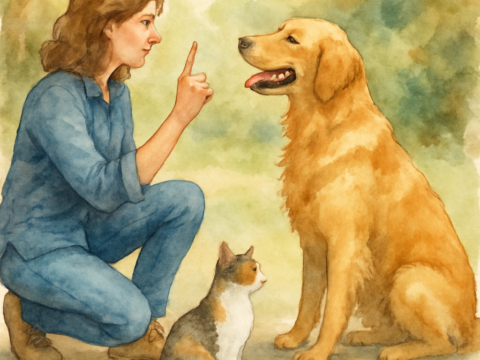
Obedience training teaches pets to listen reliably, navigate everyday life politely, and feel confident around people, places, and other animals. This practical, step-by-step guide covers core cues, house manners, leash skills, problem prevention, and troubleshooting for dogs and cats—so you can build better behavior without stress.
Caution: If your pet shows sudden behavior changes, aggression, severe fear, pain, or anything that feels unsafe, contact your veterinarian promptly. For complex behavior issues, consult a certified trainer or veterinary behaviorist.
What Obedience Training Really Is (and Isn’t)
Obedience training is a structured way to teach behaviors you want—like coming when called, relaxing on a mat, or walking without pulling—while making unwanted habits less rewarding. It isn’t about dominance or intimidation; it’s about communication, consistency, and positive outcomes.
- Obedience: Cues and responses like “sit,” “stay,” “come,” “drop it,” and “heel/loose-leash.”
- Manners: Everyday politeness, such as greeting without jumping, waiting at doors, and settling during meals.
- Management: Adjusting the environment to prevent mistakes (baby gates, crates, leashes, tethers, litter box access, and scratchers).
Why Obedience Training Benefits Pets and People
- Safety: Reliable recall and “leave it” prevent accidents and poisonings.
- Confidence: Predictable routines and rewards reduce stress and fear.
- Bonding: Clear communication strengthens your relationship.
- Freedom: Polite behavior opens doors to outings, travel, and play.
- Problem prevention: Early training reduces jumping, barking, biting, reactivity, and destructive habits.
How Pets Learn: The Simple Science
Understanding a few basics makes training far easier:
- ABC model: Antecedent (what happens before), Behavior (what the pet does), Consequence (what happens after). Behaviors that lead to good outcomes become more likely.
- Classical conditioning: Pairing something neutral (a word or sound) with something great (treats, toys) to create positive feelings.
- Operant conditioning: Reward the behaviors you want. Use management to prevent and replace behaviors you don’t want.
- Markers: A clicker or a short word like “Yes!” marks the exact instant your pet gets it right—then you deliver the reward.
- Reinforcers: Food, play, sniffing, access to you, a sunny window perch (for cats). Use what your pet truly values.
- 3 Ds: Distance, Duration, Distraction. Increase only one at a time to keep learning smooth.
Before You Start: Gear and Setup
For Dogs
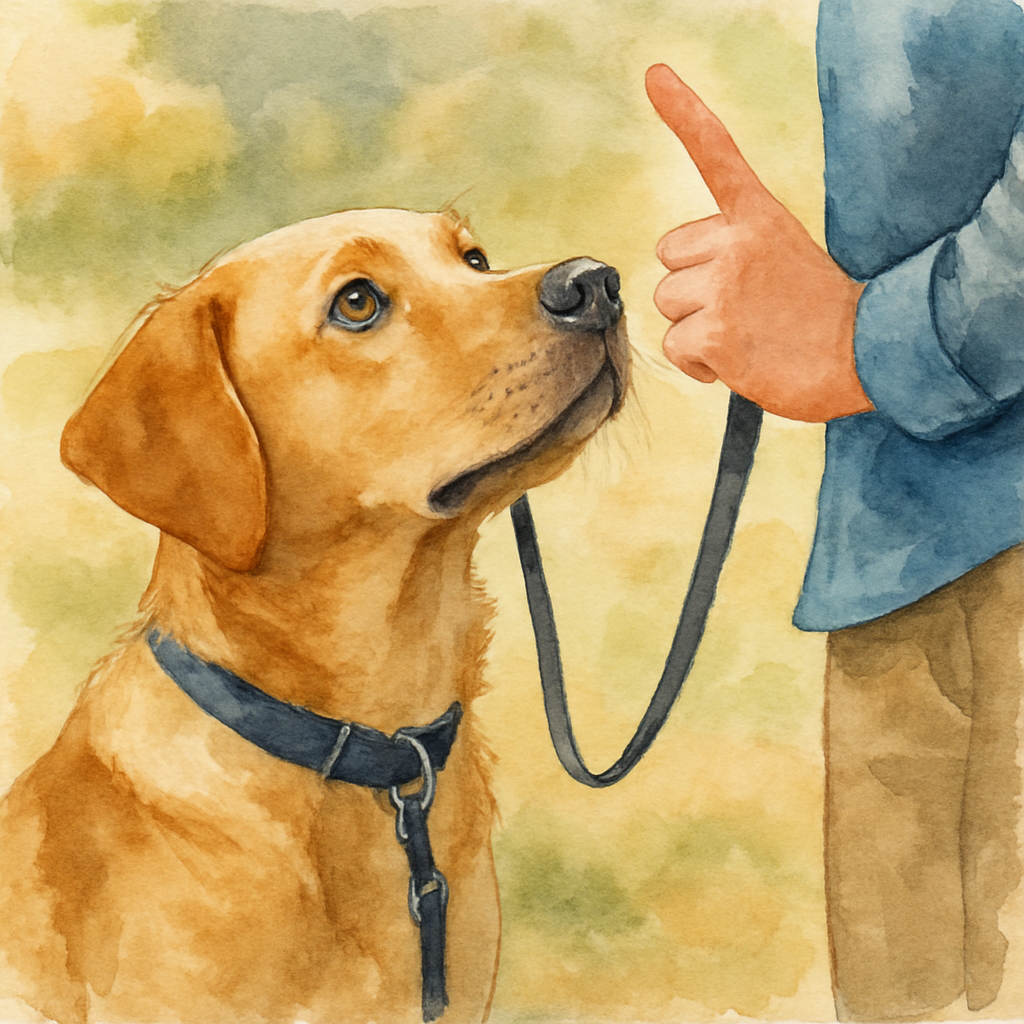
- Flat collar or well-fitted harness (front-clip harness helps reduce pulling)
- 6-foot leash; optional long line (15–30 ft) for recall practice
- Clicker or marker word
- High-value treats (pea-sized, soft, smelly), and a treat pouch
- Mat or bed for “place”/“settle”
- Crate or playpen for management
For Cats
- Breakaway collar (if using) and harness designed for cats (for harness training)
- Target stick or your finger for hand targets
- Clicker or marker word (soft voice)
- Small, irresistible treats (e.g., lickable tubes, tiny kibble, boiled chicken pieces)
- Multiple litter boxes, scratching posts, vertical spaces (cat trees, shelves)
Set Up for Success
- Short sessions: 3–8 minutes, several times daily.
- Quiet space first, then gradually add distractions.
- Train before meals if food-motivated; keep rewards tiny and frequent.
- End on a win, even a small one.
Safety, Welfare, and Training Ethics
- Prioritize positive reinforcement. Avoid methods that cause fear or pain.
- Ensure your pet’s physical needs: exercise, sleep, nutrition, and veterinary care (especially if behavior shifts suddenly).
- Choose humane tools. Avoid prong, choke, or shock devices.
- Adjust for age and health. Puppies/kittens need brief, gentle sessions; seniors may have mobility or sensory needs.
Caution: Pain, medical issues, and anxiety can look like “stubbornness.” If your pet yelps, limps, hides, or resists touch, talk to your vet first.
Your First Week: Foundation Skills That Power Everything
1) Name Response and Check-In
Goal: Your pet looks at you when you say their name.
- Say the name once. When your pet glances your way, mark (“Yes!”) and treat.
- If no response, make a soft noise or move slightly; mark and treat when they look.
- Repeat 10 times; end session. Practice in different rooms, then outside.
Tip: Don’t use the name for scolding. Make it the start of good things.
2) Marker Training (Clicker or “Yes!”)
- Click/“Yes!” and immediately give a treat. Repeat 10–15 times.
- Soon your pet will perk up at the marker, knowing a reward follows.
3) Hand Target (Touch)
Goal: Your pet boops their nose to your hand. Great for redirection and recall.
- Present your open hand a few inches away. When they sniff/boop, mark and treat.
- Label it “Touch” after a few reps. Add distance and movement gradually.
4) Sit (Dogs and Many Cats)
- Hold a treat at your pet’s nose, then slowly move it back over the head. As the rear lowers, mark and treat.
- Add the cue “Sit” once the motion is consistent.
- Practice on different surfaces and locations.
5) Down/Mat (“Place”)
Option A: Lure
- From sit, move a treat from nose to the floor between paws. When elbows touch down, mark and treat.
- Build duration: feed a few treats while down, then release with “All done.”
Option B: On a Mat
- Toss a treat onto a mat. When your pet steps on it, mark and treat on the mat.
- Wait for a sit or down on the mat; mark and treat. Add the cue “Place.”
6) Stay/Wait
- Ask for sit or down. Say “Stay,” pause one second, mark and treat. Release: “Free/All done.”
- Increase duration in 1–2 second increments before adding distance.
- Add distance (half-step back), then return to deliver the treat. Always release.
- Add mild distractions last (small movements, toy on floor).
7) Come/Recall
- In a quiet room, say your pet’s name + “Come!” Then back up excitedly. When they move toward you, mark and treat generously (jackpot).
- Use a long line outdoors for safety. Keep early recalls easy and highly paid.
- Never call to end fun or for punishments. Sometimes call, reward, and let them go back to play.
8) Leave It & Drop It
Leave It (don’t touch)
- Place a treat in your closed fist. Present it. When your pet backs off, mark and give a different treat from the other hand.
- Progress to an open-hand treat (cover if they dive). Add cue “Leave it.”
- Practice with dropped food, toys, or interesting items—on leash for safety.
Drop It (release from mouth)
- Offer a low-value toy. When they take it, present a high-value treat near the nose. When they open, mark and give the treat, then offer the toy back.
- Add cue “Drop it” as they release. Practice often and cheerfully.
9) Loose-Leash Walking (Dogs)
- Start indoors. When the leash is slack and your dog is beside or slightly ahead of you, mark and treat at your leg.
- Take one or two steps. If the leash tightens, stop. When your dog looks back or slack returns, mark and move forward again.
- Use “go sniff” as a reward. Practice brief, frequent sessions.
House Manners and Everyday Politeness
Greeting Without Jumping (Dogs)
- Approach calmly. If your dog jumps, step back or turn away. No talking or touching.
- When four paws land, mark and give attention or treats.
- Ask for a “sit” before greetings. Coach visitors to do the same.
Door Manners
- Ask for “sit” or “place” before opening the door. If your pet breaks, close the door gently and reset.
- Practice with tiny door-open increments, rewarding calm and stillness.
Counter-Surfing Prevention (Dogs and Cats)
- Management: Keep counters clean; use closed bins. Provide tall cat trees and window perches.
- Train: “On your mat” during cooking; reward generously for staying put.
Polite Mealtimes
- Use a tether, crate, or mat to prevent begging.
- Reinforce quiet settling with small, occasional treats on the mat.
Barking Basics (Dogs)
- Identify triggers: boredom, alarm, frustration, attention.
- Enrich: exercise, food puzzles, scent games. Reinforce quiet moments.
- Teach “Thank you” (quiet): mark and treat split seconds of silence; lengthen gradually.
Litter, Scratching, and Calm (Cats)
- Provide at least one litter box per cat plus one extra, in quiet, accessible spots.
- Offer multiple scratching textures and locations; reward use with praise and treats.
- Teach “Place” on a mat or bed; reward calm lying down, especially during busy times.
Socialization and Confidence Building
Positive exposure during key periods (especially 8–16 weeks for puppies; earlier gentle handling for kittens) shapes resilience. Go at your pet’s comfort level.
- Pair new sights, sounds, and surfaces with treats and play.
- Keep introductions short and positive. Leave while your pet still feels good.
- For adult pets, proceed slowly and use distance to maintain calm.
Proofing Behaviors: The 3 Ds
- Distance: Handle small steps away before walking across the room.
- Duration: Build seconds to minutes gradually, paying often at first.
- Distraction: Start with mild distractions; increase only when current level is easy.
Change one D at a time. If your pet struggles, reduce the challenge and reward more frequently.
Training Plans: Week-by-Week Examples
Four-Week Beginner Plan (Dogs)
Week 1: Name response, marker, hand target, sit, start mat/place. 3–5 minute sessions, 2–4 times/day.
Week 2: Down, stay (3–5 seconds), recall indoors (short distance), begin loose-leash indoors. Add greeting sits.
Week 3: Stay to 10–15 seconds; recall on long line in yard; “leave it” with hand, then floor; door manners basics.
Week 4: Loose-leash outside (quiet areas); recall with mild distractions; “drop it”; settle on mat during meals; polite greetings with two different people.
Four-Week Beginner Plan (Cats)
Week 1: Marker charging; name response; hand target; reward calm on mat; shape step-ups on perch.
Week 2: “Sit” for meals and play; reinforce scratching posts; stationing on a mat during door openings.
Week 3: “Come” within one room; target to carrier; calm handling for brief nail-tap practices with treats.
Week 4: Expand “come” room-to-room; short harness sessions indoors; increase play and puzzle feeders.
Core Cues in Detail: Step-by-Step Troubleshooting
Recall Problems
- Won’t come outside: Use a long line; start at short distances; reward with top-tier treats and immediate release back to sniff/play.
- Competing distractions: Practice distance from triggers; use high-value rewards; keep sessions short.
- Inconsistent cue: Use one cue (e.g., “Here!”). Don’t repeat; instead, move away and make yourself exciting.
Stay Problems
- Breaking early: Lower duration; reward more frequently; reset calmly.
- Too hard too soon: Rebuild one D at a time; reduce distractions.
Loose-Leash Problems
- Constant pulling: Reinforce near your side; stop when leash tightens; move again when slack returns.
- Overarousal: Shorter walks, more sniff breaks. Try decompression walks in quiet areas.
Jumping Problems
- Remove rewards for jumping (attention, petting). Ask for a sit; reward that heavily. Be consistent with guests.
Impulse Control Games That Build Manners
It’s Yer Choice (Leave It Game)
- Hold a few treats in your open hand. If your pet dives, close your hand calmly.
- When they back off or make eye contact, mark and give a treat from the other hand.
- Place treats on the floor, covering if needed. Gradually uncover as your pet reliably chooses to wait.
Go to Mat (Stationing)
- Toss a treat onto a mat. When your pet steps on it, mark and treat on the mat.
- Wait for a sit or down; mark and treat. Add duration with small, frequent rewards.
- Use during meals, doorbells, and guest arrivals.
Settle on Cue
- Reward calm posture on the mat with quiet treats and slow petting (if your pet enjoys touch).
- Add a cue like “Relax.” Gradually lengthen calm time before rewards.
Cooperative Care: Handling Without Stress
Make grooming and vet care easier by pairing touch with rewards.
- Start with very brief touches (paw, ear, collar). Mark and treat.
- Build duration slowly; keep sessions under a minute at first.
- Use a chin rest target to signal “I’m ready” and allow breaks when your pet disengages.
Caution: If your pet guards resources, snarls, or bites, seek professional help. Safety first.
For Cats: Special Notes on Obedience and Enrichment
- Short, upbeat sessions: 1–3 minutes, several times daily.
- Use natural rewards: Play with wand toys, scent enrichment, window views, food puzzles.
- “Come” cue: Pair a sound (bell, whistle, word) with treats at mealtimes, then practice at varying distances.
- Harness training: Introduce the harness near food and play; progress to brief wearing indoors; reward calm stillness.
- Scratching and climbing: Provide sturdy posts and vertical routes near social areas; reward use.
Motivation: Finding and Using Reinforcers
- Treat menu: Kibble (low), cheese/chicken (medium), freeze-dried meats or lickable foods (high). Rotate to prevent boredom.
- Life rewards: Go sniff, greet a friend, chase a toy, access a sunny perch.
- Jackpots: Extra or special rewards for big breakthroughs to cement learning.
Fading Food Lures and Keeping Behaviors Strong
- Teach with visible food if needed, then quickly switch to empty-hand signals and reward from the other hand or a pouch.
- Move to a variable reinforcement schedule once a behavior is reliable: not every time, but unpredictably—and still generously for tough distractions.
- Keep paying in real life: sometimes a treat, sometimes a sniff or play break.
Environment Management: Prevent Mistakes
- Use baby gates, crates, tethers, and leashes to control choices while learning.
- Confine when you can’t supervise; provide chew toys or food puzzles.
- Set up cat-friendly spaces: multiple litter boxes, scratchers, resting spots, hideaways.
Common Mistakes to Avoid
- Repeating cues; instead, help your pet succeed, then say the cue once.
- Training when your pet is too tired, hungry, or overstimulated.
- Making jumps in difficulty that are too big (remember the 3 Ds).
- Inconsistency between family members. Agree on cues and rules.
- Using punishment that damages trust or increases fear.
Multi-Pet Households and Kids
- Train pets separately first to prevent competition.
- Supervise kid–pet interactions; teach gentle handling and “no bother” zones.
- Use stations/mats for each pet; reward calm while others train.
Sample Daily Session Blueprint
- Warm-up (30–60 seconds): Hand targets and name checks.
- Skill focus (2–3 minutes): One core behavior (e.g., recall) with 6–10 easy reps.
- Play break (30–60 seconds): Tug, chase, or sniff break.
- Second skill (2–3 minutes): “Leave it” or “stay.”
- Cool-down: Settle on mat with a chew or lick mat (dogs) or food puzzle (cats).
Measuring Progress
- Track criteria: distance, duration, distractions, and success rate.
- Aim for ~80% success before increasing difficulty.
- Use a simple log: Date, skill, setting, success %, notes.
When to Get Professional Help
- Aggression, bite risk, or severe fear/anxiety.
- Resource guarding, reactivity, or compulsive behaviors.
- Persistent litter box issues despite vet check.
Look for certified professionals who use force-free methods. Your veterinarian can rule out medical causes and refer to qualified behavior specialists.
Advanced Skills and Fun Add-Ons
- Heel: Precise walking position with attention and turns.
- Emergency U-Turn: Condition a happy, automatic about-face away from triggers.
- Place at Distance: Send to mat from across the room.
- Tricks: Spin, bow, paw target—build confidence and focus.
- Scent games: Scatter feeding, box searches, simple nose work to burn mental energy.
Quick Reference: Step-by-Step for the Big Five
1) Sit
- Lure head up and back; mark as hips touch; reward.
- Add cue “Sit”; fade the lure to a hand signal.
- Practice on different surfaces and with light distractions.
2) Down
- From sit, lure nose to floor; mark elbows touching; reward several times while down.
- Add cue; introduce brief durations; release cue to end.
3) Stay
- Start with 1-second durations; return to reward; release.
- Increase duration, then distance, then distractions—one at a time.
4) Come
- Say “Name + Come,” move backward, mark when they commit to you; jackpot rewards.
- Practice on long line in new places; reward often; never punish after a recall.
5) Leave It
- Closed fist: reward backing off with a different treat.
- Open hand/floor: cover if needed; reward self-control.
- Generalize to real-life items and environments.
Troubleshooting by Symptom
- “My pet ignores me outside.” Lower criteria, use higher-value rewards, decrease distance to you (long line), practice short sessions.
- “Treats don’t work.” Try different foods, train before meals, use play/sniffing as rewards, reduce stressors.
- “Great indoors, falls apart in public.” Add the 3 Ds slowly; test one new variable at a time; keep reps easy.
- “Cat won’t come when called.” Pair a unique sound with food daily; keep sessions very short and upbeat; use chase-play as a reward.
- “Dog guards toys/food.” Safety first—don’t confront. Contact a qualified trainer or vet behaviorist.
- “Puppy nips and bites.” Redirect to chew toys, provide rest, end play if teeth touch skin; reinforce calm and gentle play.
Frequently Asked Questions
How long will obedience training take?
Basic cues are often learned in days, but reliability in real life takes weeks to months of short, consistent practice. Think of it like learning a language together.
Can older pets learn obedience?
Yes. Adult and senior pets learn well with positive reinforcement. Adjust for comfort, pace, and physical limitations.
Do I need a clicker?
No, but clear markers speed learning. A clicker or a crisp “Yes!” works. Be consistent and follow with a reward.
How many sessions per day?
Three to five mini-sessions of 3–8 minutes each work better than a single long session. End on success.
What if my pet is fearful or reactive?
Work below threshold with distance and high-value rewards. Keep sessions short and positive. For safety or persistent issues, contact a certified professional and your veterinarian.
Is punishment ever necessary?
Harsh methods often increase fear and aggression. It’s more effective and humane to prevent unwanted behavior and heavily reinforce the behavior you want.
Which treats are best?
Soft, tiny, smelly treats are easiest to eat during training. Rotate options and use extra-special rewards for difficult tasks or distractions.
Can cats really learn obedience?
Yes. Cats respond well to brief, fun sessions with clear rewards. Focus on stationing, recall, carrier comfort, and cooperative care.
Your Next Steps
- Pick two core cues this week and follow the step-by-step plans.
- Keep sessions short, upbeat, and frequent.
- Track progress and celebrate small wins.
- Ask for help early if you feel stuck.
Obedience training for pets isn’t about perfection—it’s about building skills, trust, and routines that make everyday life easier and more enjoyable for both of you. Start small, stay consistent, and watch good manners become second nature.