
Raw and Homemade Diets for Pets: What Owners Need to Know Before Switching
Interest in raw and homemade diets for pets has surged as owners look for fresher ingredients, fewer additives, and more control over what goes in the bowl. Whether you’re considering a raw diet for dogs, a raw diet for cats, or a gently cooked homemade plan, your decision should balance nutrition, safety, practicality, and your pet’s unique health needs. This guide explains how to decide, how to do it safely, and how to monitor your pet so you can feed with confidence.
What Counts as “Raw” or “Homemade” for Pets?
“Raw” and “homemade” cover a range of approaches. Understanding your options helps you choose a path that fits your goals and your schedule.
- Raw diet (home-prepared): Uncooked meats, edible bones, organs, and sometimes produce. Variations include:
- BARF (Biologically Appropriate Raw Food): muscle meat, edible bone, organs, vegetables/fruit, sometimes dairy or eggs.
- Prey model: attempts to mimic whole-prey ratios (often cited as “80-10-10” for meat-bone-organ). Note: this ratio is not a complete nutrition plan by itself.
- Raw diet (commercial): Frozen or freeze-dried formulas. Some are “complete and balanced” per AAFCO profiles; others are “intermittent or supplemental” and need additional items. Many brands use high-pressure processing
Potential Benefits (and Real-World Caveats)
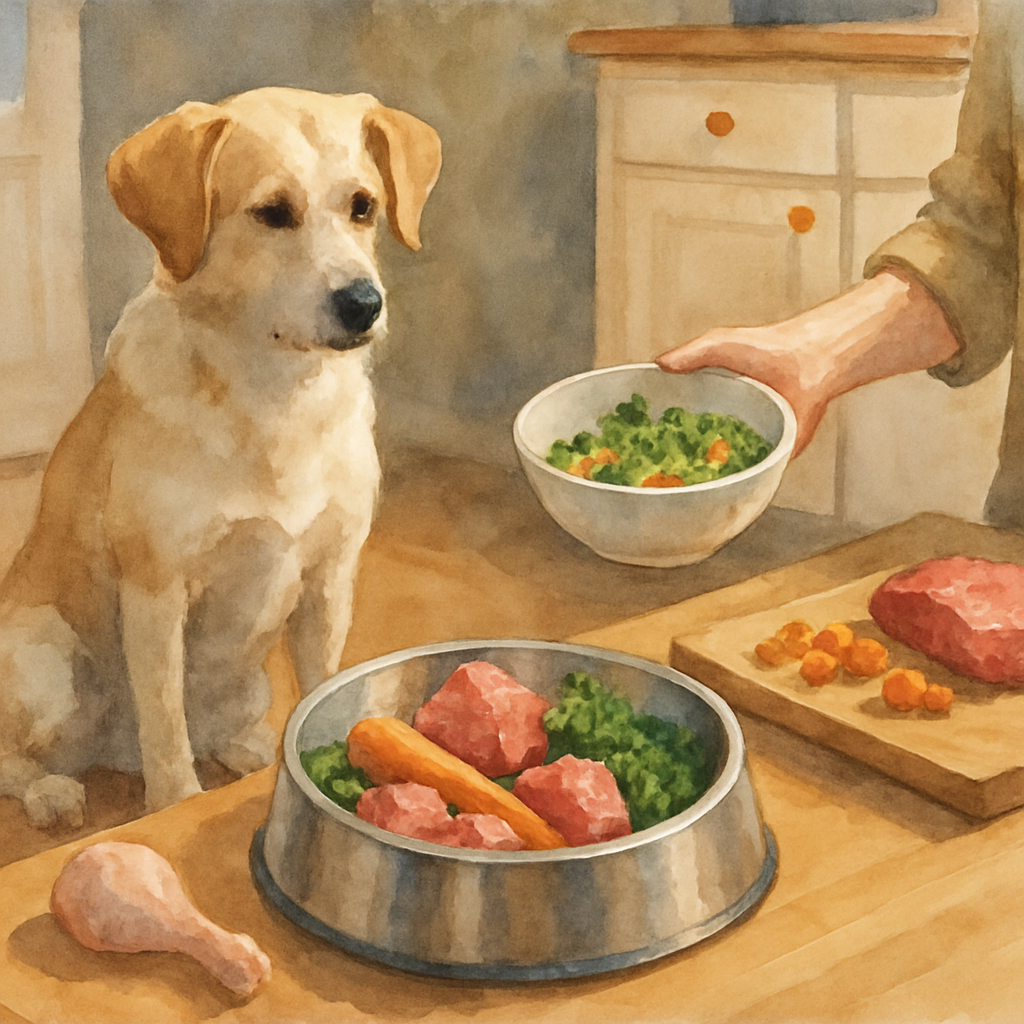
Owners commonly report the following with well-planned raw or homemade diets:
- High palatability: Picky eaters may show renewed interest.
- Smaller, firmer stools: Often due to higher digestibility and lower filler content.
- Shinier coat/less odor: Seen in some pets, especially when omega-3s are optimized.
- Ingredient control: Useful for managing sensitivities or preferences.
However, these potential benefits hinge on complete and balanced nutrition and safe handling. Unbalanced or unsafe diets can lead to nutrient deficiencies or excesses, dental fractures from bones, gastrointestinal issues, and exposure to pathogens. Evidence for many claimed benefits is mixed or limited; use objective metrics (body condition, bloodwork, stool quality) to judge success.
Nutrition Basics to Get Right From Day One
Whether raw or cooked, homemade pet food must be formulated to meet recognized nutrient guidelines (e.g., AAFCO profiles based on NRC recommendations). “Variety over time” is not a reliable way to guarantee balance.
- Complete and balanced: Every essential nutrient is present in correct amounts and ratios for your pet’s life stage (growth, adult maintenance, reproduction).
- Dogs vs. cats:
- Dogs are omnivorous with flexible carbohydrate use but still require specific amino acids, essential fatty acids, vitamins, and minerals.
- Cats are obligate carnivores requiring higher protein, preformed vitamin A, taurine, arachidonic acid, and careful B-vitamin support. Many cat nutrient needs are proportionally higher than dogs.
- Calcium and phosphorus: The Ca:P ratio should typically be ~1:1 to 2:1 for adult dogs and cats. All-meat diets are dangerously low in calcium and high in phosphorus unless corrected.
- Fat and calories: Raw and homemade diets can be very calorie-dense. Maintain a healthy body condition score (BCS): 4–5/9 for dogs, about 5/9 for cats.
- Critical micronutrients often missed: Iodine, copper, zinc, manganese, vitamin D, vitamin E, B vitamins, and taurine (especially in cats). Many “meat + veggies + oil” recipes miss several of these.
For a customized, complete plan, consult a board-certified veterinary nutritionist (ACVN/ECVC). If you use a recipe from a trusted source, follow it precisely, including all supplements and specified ingredient types and amounts.
Food Safety: Raw Feeding Risks and How to Reduce Them
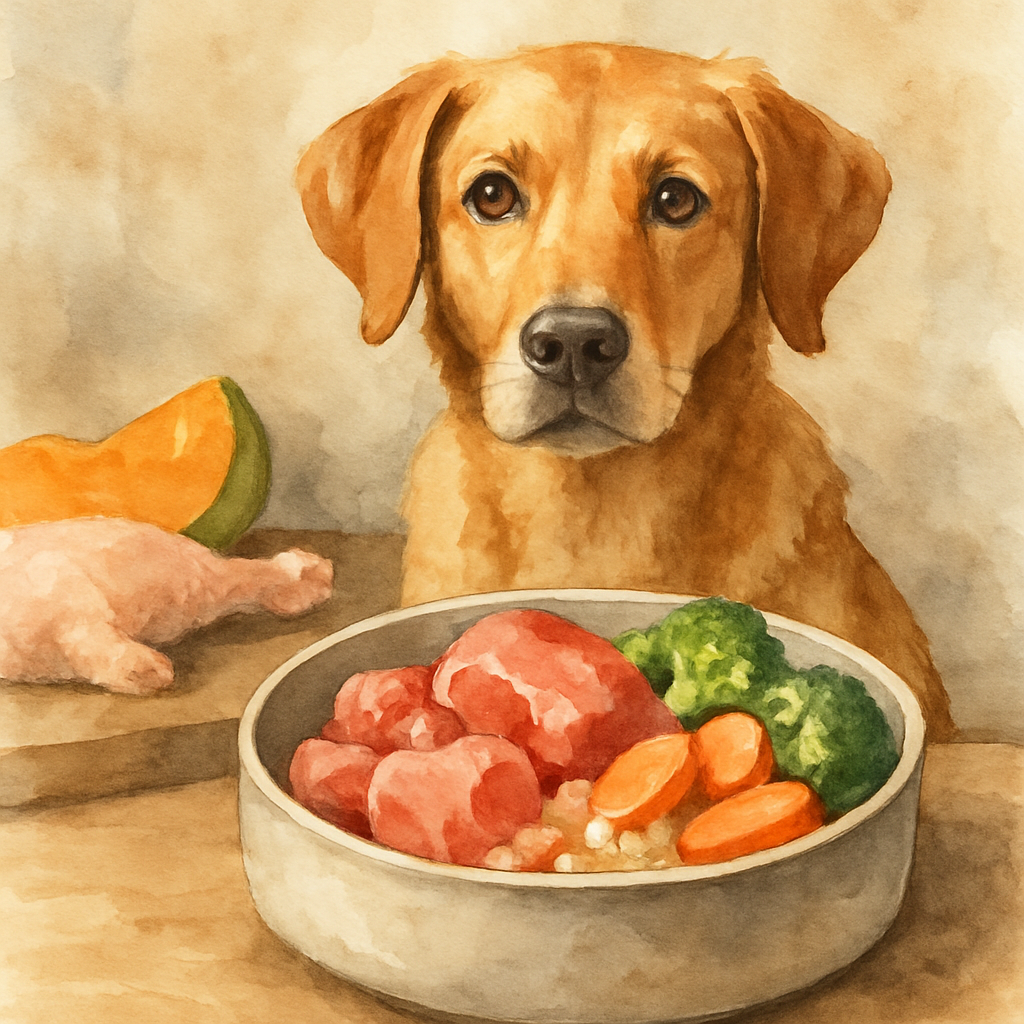
Raw meats can carry Salmonella, Listeria, E. coli, and Campylobacter. Pets can shed pathogens in their saliva and feces, potentially exposing people. The risk is higher for infants, older adults, immunocompromised individuals, and pregnant people.
Ways to reduce risk
- Choose safer products: If using commercial raw, look for brands that use pathogen-reduction steps (e.g., HPP) and conduct batch testing. For homemade, use high-quality, human-grade meats from reputable suppliers.
- Handle like raw chicken for humans:
- Keep separate cutting boards and utensils for pet food.
- Refrigerate at or below 40°F (4°C). Freeze at 0°F (-18°C) or below.
- Thaw in the refrigerator or sealed under cold running water—never on the counter.
- Wash hands and surfaces after handling. A sanitizing solution of about 1 tablespoon unscented bleach per gallon of water can disinfect clean, non-porous surfaces. Rinse and let air dry.
- Discard leftovers left at room temperature for more than 2 hours (1 hour if above 90°F/32°C).
- Parasite considerations: Freezing certain fish to -4°F (-20°C) for 7 days or to -31°F (-35°C) for 15 hours (commercial blast freezing) can reduce some parasites. Freezing does not eliminate all pathogens and is not a replacement for proper formulation and hygiene.
- Household risk management: Avoid raw diets if anyone in the home is immunocompromised or pregnant, or use cooked diets instead.
If you prefer to minimize pathogen risk while retaining fresh-food benefits, consider gently cooked, complete-and-balanced recipes or HPP-treated commercial raw.
About Bones: Proceed With Caution
Raw edible bones are sometimes fed for calcium and dental abrasion, but they can cause cracked teeth, gastrointestinal obstruction, and constipation (“bone stool”). Cooked bones are brittle and must never be fed.
- Safer alternatives: Use properly formulated recipes that supply calcium via balanced supplements (e.g., bone meal that’s intended for pet recipes or food-grade eggshell powder) or finely ground bone within a complete diet.
- Chewing for dental health: Consider safe dental chews, supervised rubber toys, or professional dental cleanings rather than relying on bones.
Sourcing Ingredients for Homemade Pet Food

- Proteins: Chicken, turkey, beef, pork, lamb, rabbit, venison, certain fish (e.g., salmon, sardines). Rotate proteins to broaden nutrient exposure and palatability, but maintain consistent formulations.
- Organs: Liver is rich in vitamin A and copper; heart is a good taurine source; kidney and spleen add micronutrients. Total organ amounts should follow a formulated recipe—too much can cause vitamin or mineral excesses.
- Fats: Favor a balance of saturated/monounsaturated and omega-6 to omega-3. Add marine omega-3s (EPA/DHA) from fish or fish oil to improve skin/coat and help balance omega-6 heavy meats like chicken.
- Produce/fiber: Many dogs benefit from a small amount of cooked, pureed vegetables (e.g., squash, green beans) and soluble fiber (e.g., psyllium) for stool quality. Cats may not need produce but can benefit from small amounts of fiber in certain situations.
- Supplements: Use those specified by a complete recipe—common ones include calcium, fish oil, vitamin E, B-complex, vitamin D, iodine, zinc, copper, manganese, and for cats, taurine. Do not guess doses.
Supplements You May Need (Always Follow a Tested Recipe)
Below are commonly used supplements in balanced homemade diets. These are examples, not universal directions:
- Calcium: Required to balance phosphorus in meat. Food-grade bone meal or eggshell powder are typical; a rough guide often cited for eggshell is about 1/2 teaspoon (approximately 900–1,000 mg calcium) per pound of boneless meat, but exact needs depend on the full recipe. Too much or too little calcium is risky, especially for puppies and kittens.
- Marine omega-3s (EPA/DHA): Many diets benefit from fish oil or oily fish. General targets often range around 50 mg EPA+DHA per kg body weight daily for dogs and somewhat lower for cats, but specific health conditions may need different amounts. High doses can cause gastrointestinal upset or affect clotting—ask your vet for guidance.
- Vitamin E: Helps protect fats from oxidation, especially when supplementing fish oil. Your formulation should specify an exact IU per daily ration.
- Iodine: Important for thyroid function, commonly missed in homemade diets. Use iodized salt or a standardized iodine supplement per recipe instructions—avoid ad-lib kelp due to variable iodine content.
- Taurine (especially for cats): Heat and grinding can reduce taurine levels. Many feline recipes add buffered taurine powder to ensure adequacy; some canine recipes do as well for safety.
- Trace minerals and vitamins (B-complex, zinc, copper, manganese, vitamin D): Usually added via a veterinary-formulated premix or precise individual supplements. Over-supplementation can be harmful.
Bottom line: select a complete recipe or use a veterinary nutrition service so supplements and amounts are scientifically determined.
How Much to Feed: Calories, Portions, and Adjustments
An effective feeding plan starts with estimating energy needs, then adjusting to keep your pet at ideal body condition.
- Step 1: Calculate Resting Energy Requirement (RER) ≈ 70 × (body weight in kg)0.75.
- Step 2: Multiply by a lifestyle factor (MER):
- Adult neutered dogs: ~1.6 × RER (range 1.4–1.8)
- Active/intact dogs: ~1.8–2.2 × RER
- Weight loss dogs: ~1.0 × RER (veterinary supervision)
- Adult neutered cats: ~1.2–1.4 × RER (many indoor cats need the low end)
- Growth/gestation/lactation: higher multipliers—consult your veterinarian or a nutritionist
- Step 3: Convert calories to grams/cups: Check the kcal per gram or kcal per cup of your specific recipe or commercial product. Homemade cooked diets often fall around 1.2–1.4 kcal per gram; many raw diets are 1.3–1.6 kcal per gram, but measure your own batch.
- Step 4: Adjust every 1–2 weeks: Use a body condition score chart and weigh-ins to fine-tune portions.
Example (dog): 20-kg neutered adult. RER ≈ 70 × 200.75 ≈ 662 kcal/day. MER ≈ 1.6 × 662 ≈ 1,060 kcal/day. If your recipe provides 1.4 kcal/g, feed ≈ 1,060 ÷ 1.4 ≈ 760 g/day split into meals. Monitor and adjust.
Example (cat): 4-kg indoor neutered adult. RER ≈ 70 × 40.75 ≈ 201 kcal/day. MER ≈ 1.2 × 201 ≈ 241 kcal/day. If your recipe provides 1.3 kcal/g, feed ≈ 185 g/day and adjust to maintain ideal BCS.
How to Build a Balanced Homemade Diet (Raw or Cooked)
If you want full control over ingredients, take a systematic approach and avoid winging it:
- Start with a trusted, complete recipe for your pet’s species, life stage, and health conditions. Good sources include veterinary nutrition services and evidence-based formulation platforms.
- Shop by specification: Use the exact cuts and fat levels specified (e.g., 90% lean ground beef vs. 70% lean changes calories and micronutrients).
- Measure by weight, not volume: Use a digital kitchen scale. Weigh raw ingredients before cooking unless the recipe says otherwise.
- Cook or keep raw per the recipe: If cooked, use gentle methods (light sauté, poach, steam) without added salt or seasonings toxic to pets (no onions, excessive garlic, chives, or xylitol). If raw, follow strict hygiene.
- Add supplements exactly as directed: Include calcium and micronutrient sources at the specified amounts and timing. Add sensitive vitamins after cooling.
- Batch and portion: Prepare multiple portions, label with date and calories per portion, and freeze extras. Thaw safely in the refrigerator.
- Track your pet’s response: Appetite, stool, coat, weight, and energy. Recheck diet assumptions every 6–12 months or if health changes.
Sample One-Day Menu Templates (Illustrative Only)
These examples show the structure of balanced meals, not complete formulations. Always follow a tested recipe for precise amounts and supplements.
Adult dog (~20 kg; target ~1,060 kcal/day):
- Lean ground turkey (cooked or raw per plan), weighed to supply the majority of protein and calories.
- Chicken hearts/gizzards and a measured amount of liver per recipe.
- Cooked, pureed pumpkin and green beans for fiber and micronutrients (dogs only; many cats won’t need this).
- Measured calcium source (e.g., food-grade bone meal or eggshell powder) to hit the target Ca:P ratio.
- Marine omega-3s (fish oil or sardines) for EPA/DHA per veterinary guidance.
- Vitamin/mineral mix per recipe to cover iodine, copper, zinc, manganese, vitamin D, vitamin E, B vitamins.
Adult cat (~4 kg; target ~240 kcal/day):
- Ground rabbit or chicken thigh (skinless if fat control is needed), measured by weight.
- Small amount of chicken heart and liver per recipe; many feline diets include extra taurine.
- Calcium source to balance phosphorus; no bones unless finely ground within a tested formula.
- Fish oil for EPA/DHA as directed; vitamin E included in the micronutrient plan.
- Veterinary-formulated vitamin/mineral mix including iodine and vitamin D; additional taurine as specified.
Note: The widely cited “80-10-10” (meat-bone-organ) approach does not, by itself, guarantee adequate vitamins, minerals, fatty acids, or taurine. A complete formulation is still required.
Transitioning Safely: How to Switch Without Stomach Upset
Plan a gradual transition to prevent digestive upset and encourage acceptance.
- For dogs: Over 7–10 days, mix in increasing amounts of the new diet while decreasing the old. Example: Day 1–2: 25% new; Day 3–4: 50% new; Day 5–6: 75% new; Day 7+: 100% new.
- For cats: Transition more slowly (1–3+ weeks). Warm food slightly, offer at mealtimes, and use gradual texture changes. Never allow a cat to go more than 24 hours without eating; prolonged anorexia can lead to hepatic lipidosis (fatty liver), a medical emergency.
- Monitor stools: Soft stools can occur during transition. Persistent diarrhea, vomiting, lethargy, refusal to eat, or constipation with straining warrants a veterinary call.
Monitoring Success: What to Watch and When to Get Help
- Body condition score (BCS): Check monthly. You should feel ribs with a light fat cover, see a waist from above, and an abdominal tuck from the side.
- Muscle condition: Especially in seniors—look for appropriate muscle mass over shoulders, spine, hips.
- Stool quality: Consistency, frequency, and volume. Excessively hard “chalky” stools suggest too much bone/calcium; soft or greasy stools may reflect fat intolerance or imbalance.
- Coat and skin: Shine, dandruff, itchiness. Omega-3 and overall balance influence skin health.
- Energy and behavior: Note changes in activity or mood.
- Lab work: Have your vet check a baseline CBC/chemistry/urinalysis before switching and again 8–12 weeks after, then annually or as advised. For certain conditions (e.g., kidney, liver, pancreas), more frequent monitoring is advisable.
Special Populations: Extra Care Required
- Puppies and kittens: Growth diets must precisely meet calcium, phosphorus, energy, and micronutrient targets. Large-breed puppies need specific calcium limits and energy control to reduce orthopedic risks. Raw bones are not recommended. Work with a veterinary nutritionist.
- Pregnant/lactating pets: Rapidly changing needs; use a vetted reproduction diet and consult your veterinarian.
- Seniors: May need more digestible protein, joint-friendly omega-3s, and careful phosphorus control (especially cats). Monitor kidney and liver values.
- Pets with medical conditions:
- Pancreatitis or fat intolerance: Lower-fat, cooked diets under veterinary guidance.
- Chronic kidney disease (CKD): Typically controlled phosphorus, adjusted protein; cooked often preferred for predictability.
- Food allergies: Consider single-protein, novel or hydrolyzed diets; strict avoidance is key. Work with your vet.
Time, Cost, and Tools
Homemade diets can be cost-competitive or more expensive, depending on protein choice, local prices, and whether you buy in bulk. They also take time.
- Tools: Digital kitchen scale, sharp knives, cutting boards (color-coded), large mixing bowls, storage containers or vacuum sealer, gloves, sanitizer, and for some raw feeders, a heavy-duty grinder.
- Batching and storage: Cook or mix in bulk, weigh portions, label with date and calories, and freeze. Rotate stock using first-in, first-out.
- Shopping tips: Bulk buys, sales, and seasonal proteins can lower cost. Don’t substitute cheaper cuts without recalculating fat and calories.
Common Myths vs. Facts
- Myth: “If I feed a variety, it balances out over time.” Fact: Many deficiencies or excesses do not self-correct. Balance each recipe for daily feeding or use a complete commercial product.
- Myth: “Raw bones clean teeth and are perfectly safe.” Fact: Bones can fracture teeth and cause obstructions. Dental benefits are inconsistent; there are safer dental options.
- Myth: “Wolves eat raw, so my dog should too.” Fact: Dogs have adapted to live with humans, including starch digestion. What wild canids eat isn’t a guide to optimal health or longevity for pets.
- Myth: “Stomach acid kills all pathogens.” Fact: Not reliably. Pets and humans can get sick, and pets can shed pathogens into the home.
- Myth: “The 80-10-10 ratio is nutritionally complete.” Fact: It often lacks key vitamins and minerals (iodine, vitamin D, copper, zinc, manganese, vitamin E) and can be unbalanced for calcium and taurine without careful design.
Alternatives If Raw or Fully Homemade Isn’t Feasible
- Commercial complete-and-balanced raw: Choose HPP-treated products with third-party testing where possible. Follow storage and handling instructions closely.
- Gently cooked complete diets: Many fresh brands offer AAFCO-complete recipes with transparent sourcing and calorie information.
- Base mix + meat: A convenient way to prepare partially homemade meals. Add the exact amount and type of meat listed for complete nutrition.
- Partial fresh feeding: Use balanced toppers or small amounts of fresh items (e.g., sardines in water, plain cooked lean meat, small amounts of pureed veggies for dogs) at under 10% of daily calories to avoid diluting nutrients.
- Veterinary nutrition services: Get a custom recipe for your pet’s needs, including disease-specific diets.
Regulation and Label Notes
- AAFCO statements: Look for “complete and balanced” on commercial products and the intended life stage.
- Feeding directions: These are starting points; adjust based on body condition.
- Ingredient lists: Human-grade claims imply higher sourcing and handling standards but still require balanced formulation.
Quick Safety and Success Checklist
- Choose a complete, vet-formulated recipe or a commercial food with an AAFCO “complete and balanced” claim.
- Measure by weight; don’t eyeball.
- Balance calcium and phosphorus; never feed all-meat diets.
- Include required micronutrients (iodine, vitamin D, vitamin E, copper, zinc, manganese, B vitamins, taurine for cats).
- Use strict hygiene with raw foods; consider cooked diets if anyone at home is high risk.
- Transition gradually; never let a cat go more than 24 hours without food.
- Track body condition and stool; adjust portions and ingredients as needed.
- Schedule veterinary checkups and lab work, especially 8–12 weeks after switching.
Frequently Asked Questions
Is a raw diet for dogs or cats healthier than kibble?
It depends on the specific diet and the pet. A complete-and-balanced fresh diet can work well for many pets, but raw carries pathogen risks. Kibble and canned diets can also be excellent when formulated and manufactured well. Choose the option that best balances nutrition, safety, practicality, and your pet’s health profile.
Can I feed my pet the same meat and veggies I eat?
Not without balancing the nutrients. Human meals rarely match pet nutrient requirements. Pets need precise amounts of calcium, iodine, trace minerals, and vitamins that aren’t reliably provided by meat and vegetables alone. Use a complete recipe or commercial diet.
Do cats need vegetables in a homemade diet?
No. Cats are obligate carnivores and generally do not require vegetables. Some fiber may help specific issues, but feline diets should be animal-protein focused with adequate taurine and carefully balanced micronutrients.
Is fish safe in raw diets?
Choose species carefully and mind parasites and thiaminase (an enzyme in some raw fish that destroys vitamin B1). Many owners use cooked or canned fish (in water, no added salt) as part of a balanced plan. If using raw fish, follow freezing guidelines for parasite risk reduction and keep total amounts modest within a complete recipe.
What about garlic or other seasonings?
Avoid onions, leeks, and large amounts of garlic; they can damage red blood cells. Skip salted, spiced, or sauced foods. Stick to plain ingredients as specified by your recipe.
Do I need to give my dog or cat bones for calcium?
No. Calcium can be supplied via safe, measured supplements such as food-grade bone meal or eggshell powder in a complete recipe. Bones add risk of injury and constipation; if used at all, they should be finely ground in a balanced formula.
How do I know if the diet is working?
Healthy weight and muscle mass, good stool quality, normal energy and coat, and normal lab work are positive signs. Recheck with your vet 8–12 weeks after switching, then periodically, or sooner if you notice changes.
Can puppies and kittens eat raw?
Rapidly growing pets have zero margin for nutrient errors and may be more vulnerable to pathogens. Most experts recommend cooked, vet-formulated growth diets. If you’re set on raw, work with a veterinary nutritionist and your veterinarian to minimize risks.
When to Call the Vet
Contact your veterinarian if you notice vomiting, diarrhea lasting more than 24–48 hours, straining to defecate, refusal to eat, lethargy, sudden weight loss, signs of dental pain, or any changes after starting a new diet. Pets with medical conditions should have diets customized and monitored by a veterinarian.
If your pet has urgent or severe symptoms (e.g., repeated vomiting, bloody diarrhea, collapse, breathing difficulty), contact your veterinarian or an emergency clinic immediately.
Key Takeaways
- Raw and homemade diets can be rewarding but must be complete, balanced, and handled safely.
- Use a proven recipe or a commercial product with a complete-and-balanced claim; guesswork risks nutrient imbalances.
- Prioritize hygiene, avoid bones or use only within vetted formulas, and monitor your pet’s weight and health closely.
- Work with your veterinarian—especially for puppies, kittens, seniors, and pets with medical conditions.
A thoughtful plan—built on sound nutrition, safe preparation, and regular veterinary check-ins—lets you enjoy the benefits of fresh feeding while protecting your pet’s long-term health.