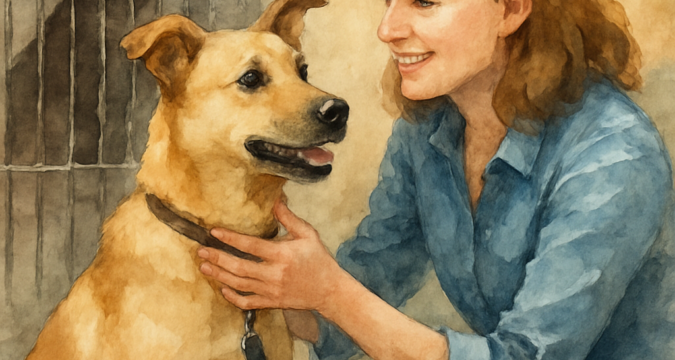
The Ultimate Guide to Pet Adoption and Rescue for Responsible New Pet Parents
Opening your home to a rescue pet can be one of the most rewarding decisions you’ll ever make. It’s also a serious commitment that deserves thoughtful planning, honest self-assessment, and compassionate follow-through. This guide helps you choose wisely, prepare thoroughly, and support your new companion from the first day home through a lifetime of care.
Key takeaways
- Adoption works best when you match a pet’s needs to your lifestyle, time, and budget—not the other way around.
- Reputable shelters and rescues are transparent about health, behavior, and policies. Learn how to spot red flags before you commit.
- Plan upfront for veterinary care, training, enrichment, and emergencies; a realistic budget prevents heartbreak down the road.
- The first days and weeks set the tone. Use decompression time, simple routines, and positive reinforcement to build trust.
- When in doubt about health or safety, contact a licensed veterinarian promptly—especially for urgent or rapidly worsening issues.
1. Is adoption right for you? A quick decision framework
Before you meet your dream pet, start with your reality. The best adoption stories begin with clear expectations and honest answers.
Time and routine
- Daily availability: Can you provide at least 2–3 dedicated blocks of time for walks, play, feeding, and training?
- Schedule stability: Shift work and frequent travel require planning for reliable backup care.
- Energy match: Active dogs need sustained, daily exercise. Some cats and small pets require structured enrichment to thrive.
Home environment
- Housing rules: Confirm pet allowances, breed/size limits, deposits, and noise expectations in leases or HOA bylaws.
- Space and layout: Open stairs, balconies, and busy streets require extra safety planning.
- Household composition: Consider kids’ ages, existing pets’ temperaments, and the preferences of roommates or partners.
Financial readiness
- One-time setup: Adoption fees, spay/neuter (if needed), microchip, supplies, and initial vet visit.
- Ongoing care: Food, litter, preventives, grooming, insurance, and training—plus an emergency fund.
- Unexpected events: Illness, behavior help, housing changes, and travel costs happen. Plan now.
Quick self-check
- If your schedule is very limited, consider an adult or senior pet with lower exercise needs.
- If you’re budget-sensitive, avoid high-maintenance breeds and plan for pet insurance or a dedicated emergency fund.
- If you are uncertain about long-term stability, start by fostering. It saves lives and informs your future adoption.
2. Where to adopt: shelters, rescues, and alternatives
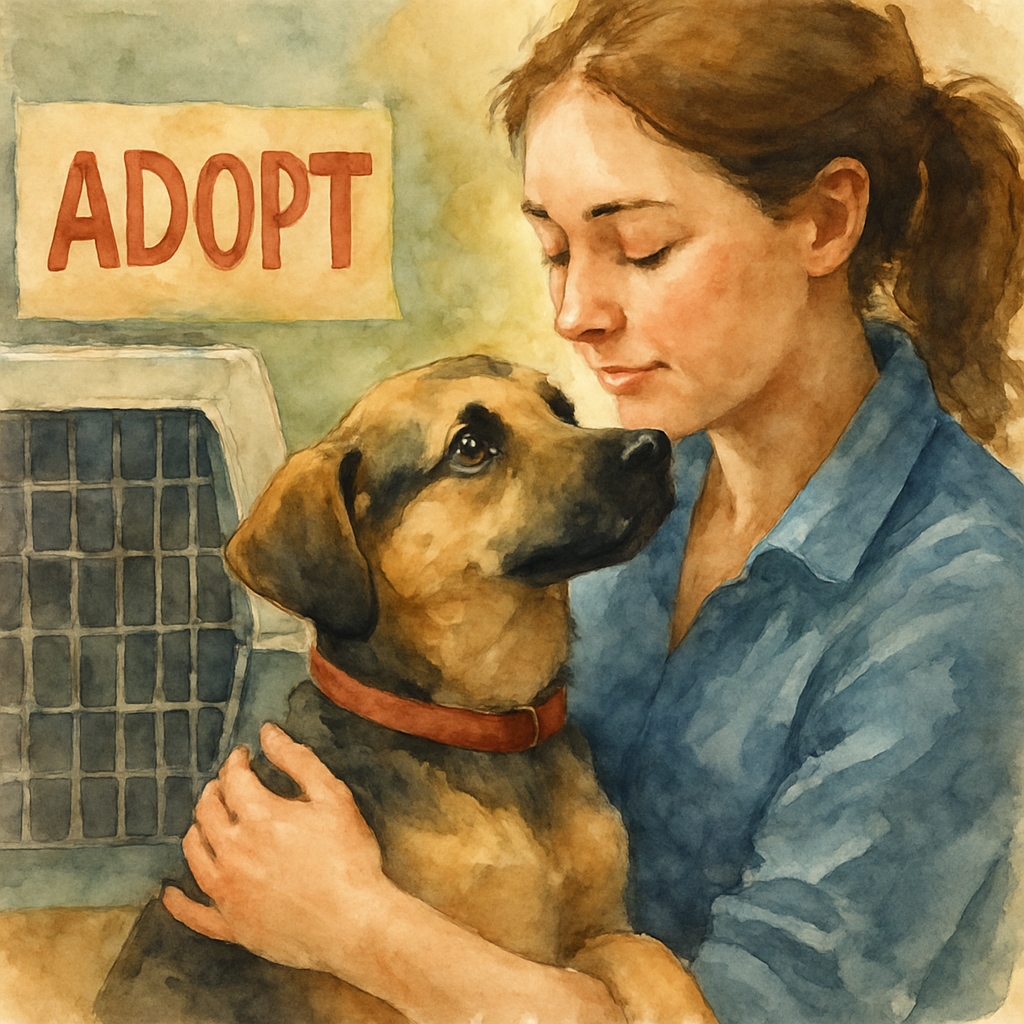
There are multiple reputable routes to find your match. Each has pros, cons, and unique processes.
Municipal/County shelters
- Pros: Large selection, transparent intake histories, and often lower fees. Many offer post-adoption resources.
- Considerations: High-stress environments can mask true temperament. Ask for quiet meet-and-greets or foster notes.
Private nonprofit rescues
- Pros: Pets often live with fosters who can share detailed behavior and routine insights.
- Considerations: Application processes can be thorough. Expect home checks, reference calls, and patience.
Breed-specific rescues
- Pros: Deep knowledge of breed traits, health predispositions, and ideal homes.
- Considerations: Waitlists are common; requirements may be stricter (e.g., fencing, experience).
Rehoming platforms and community postings
- Pros: Direct owner-to-adopter transition can reduce shelter stress.
- Considerations: Clarify medical history, behavior, and legal transfer; beware of scams (see red flags below).
International rescues
- Pros: Can save animals from dire situations and high-risk environments.
- Considerations: Thorough vetting, disease screening, and quarantine practices are essential. Confirm transport safety and import regulations.
Red flags to avoid
- No adoption contract or health records available.
- Pressure tactics or unusually high fees without transparency.
- Reluctance to answer questions about history, medical care, or behavior.
- No return policy or post-adoption support options.
3. Budgeting: realistic costs, insurance, and emergency planning
A clear budget prevents painful surprises. Estimate both one-time and recurring costs for your species and lifestyle.
One-time setup costs (ranges)
- Adoption fees: often $50–$500 (varies by species, region, and included vetting).
- Initial vet exam and vaccinations (if not covered): $75–$300.
- Spay/neuter (if needed): $100–$600 (check low-cost clinics).
- Microchip and registration: $20–$60 (often included with adoption).
- Supplies: collars/harnesses, ID tags, bed, crate/carrier, bowls, litter box, toys, grooming tools: $100–$400.
- Pet-proofing: gates, cords management, window screens: $20–$150.
Recurring monthly costs (typical)
- Food: $20–$100 (size, brand, species).
- Litter (cats, some small mammals): $10–$40.
- Flea/tick/heartworm preventives: $10–$40.
- Insurance: $25–$80 (coverage, species, breed, age).
- Training classes or enrichment: $0–$60 (group classes or DIY materials).
- Grooming (if needed): $0–$90 (monthly average; some breeds require professional grooming).
- Pet care (sitters, daycare) as needed: varies widely.
Emergency fund and insurance
- Aim for an emergency fund of $500–$2,000 for common urgent care needs.
- Pet insurance can reduce the burden of accidents, illnesses, or surgeries; read exclusions and waiting periods carefully.
- Consider a hybrid approach: insurance for big events plus a smaller cash reserve for minor issues.
Cost-savers that don’t compromise care
- Use low-cost clinics for vaccines, microchipping, and spay/neuter.
- Buy gently used crates or carriers; disinfect thoroughly.
- Rotate durable toys and DIY enrichment (snuffle mats, puzzle feeders).
- Enroll in preventive care plans to spread costs over the year.
4. Preparing your home and supplies checklist
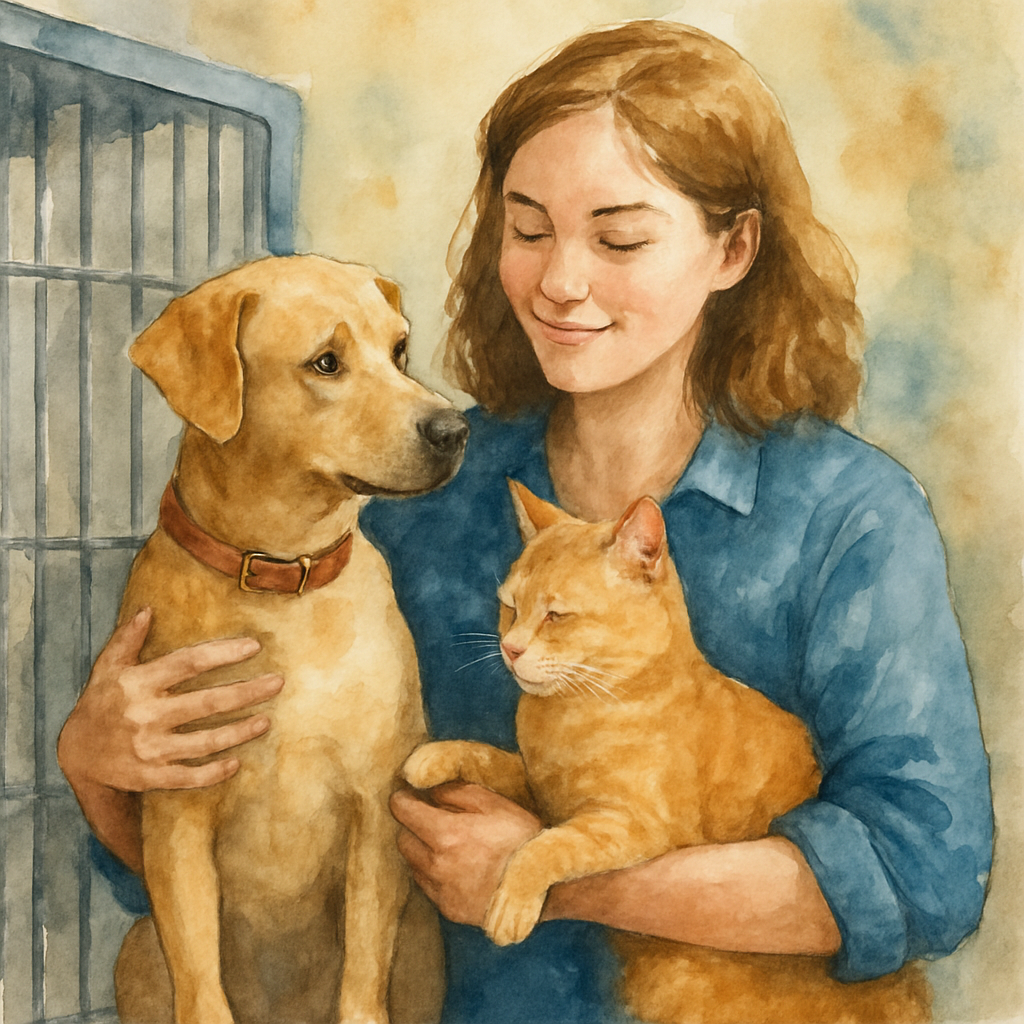
A safe, predictable environment reduces stress and sets you both up for success.
Pet-proofing essentials
- Secure trash, chemicals, medications, and cords; use baby locks if needed.
- Block escape routes: check fences, window screens, balcony gaps, and under-cabinet openings.
- Remove toxic plants and foods (e.g., lilies for cats; grapes, xylitol for dogs).
- Set up a quiet zone for decompression: crate or covered bed for dogs; a separate room with hiding spots for cats.
Dog supplies checklist
- Adjustable collar with ID tag; no-slip harness and sturdy leash.
- Crate sized for standing and turning comfortably; soft bed or mat.
- Food and water bowls; measured scoop; storage bin.
- Quality food recommended by your vet; training treats.
- Poop bags; enzymatic cleaner for accidents; baby gates if needed.
- Puzzle feeders, chew toys, and enrichment items.
- Flea/tick and heartworm preventives (ask your vet).
Cat supplies checklist
- Carrier; comfortable bed; cozy hideaways.
- Litter boxes (one per cat + one extra), unscented litter, scoop, and mat.
- Food and water bowls; water fountain if preferred.
- Scratching posts/pads, vertical spaces, and interactive toys.
- Pheromone diffusers to ease transitions.
- Flea preventives if recommended by your vet; microchip and ID collar (breakaway).
Small pets (rabbits, guinea pigs, etc.)
- Appropriately sized enclosure with safe flooring and ventilation.
- Species-appropriate diet (e.g., hay-rich for rabbits/guinea pigs) and chew-safe enrichment.
- Secure playpens; block off cords and baseboards.
5. The adoption process: applications, meet-and-greets, and contracts
Typical steps
- Application: You’ll share details about your home, routine, and experience.
- Interview and references: Honest answers help everyone find the right fit.
- Home check (virtual or in-person): Confirms safety and readiness.
- Meet-and-greet: Ask for quiet spaces; invite all decision-makers and resident dogs if appropriate.
- Trial period or foster-to-adopt (if available): A great way to ensure compatibility.
- Contract and fees: Review medical records, microchip info, and return policies.
Smart questions to ask
- Medical history: Vaccines, spay/neuter status, test results (e.g., heartworm, FeLV/FIV), known conditions.
- Behavior: House-training, crate/kennel experience, leash reactivity, resource guarding, separation comfort.
- Daily routine: Feeding schedule, sleep habits, favorite toys, known triggers.
- Post-adoption support: Training referrals, helplines, rehoming policies if it’s not a match.
Traveling home day
- Bring a secure crate or carrier, towels, water, and poop bags.
- Drive calmly; avoid busy stops. Go straight home—no celebratory detours.
- Keep introductions minimal. Give space, water, and a quiet place to rest.
The decompression period
- Dogs: Follow the 3-3-3 guideline—3 days to decompress, 3 weeks to learn routines, 3 months to feel fully at home.
- Cats: Start in a single room with hiding spots. Gradually expand territory based on confidence.
- All pets: Predictable schedules, low noise, and gentle engagement build trust quickly.
6. Choosing the right pet: age, energy, temperament, and household fit
Age considerations
- Puppies/kittens: High time investment for training and socialization; delightful but demanding.
- Adults: Personalities are more predictable; often house-trained; excellent for first-time parents.
- Seniors: Lower energy, grateful companions; budget for age-related care; incredibly rewarding.
Energy and temperament
- Match energy levels. A marathon runner and a couch-potato dog can both be unhappy.
- Consider work-from-home versus long office days when evaluating independence and social needs.
- Ask for behavior evaluations or foster notes. Shelter stress can mask or exaggerate behaviors.
Special needs and medical conditions
- Some pets need daily meds, mobility aids, or special diets. Clarify costs and routines.
- Blind, deaf, or tripod pets adapt beautifully with small environment tweaks.
- If new to special-needs care, seek a rescue that offers training and ongoing support.
Multi-pet households
- Ask about dog-cat compatibility; plan slow introductions and safe escape routes for cats.
- For dog-dog homes, arrange controlled, neutral-territory meet-ups. Avoid on-leash, face-to-face greetings at first.
- Use baby gates and parallel routines to reduce tension during the transition.
Kids and family dynamics
- Choose a pet with a temperament suited to your children’s ages and behaviors.
- Teach kids “ask before petting,” gentle handling, and respect for safe zones.
- Supervise all early interactions and set clear household rules.
7. Working with shelters and fosters respectfully
Remember: rescues are juggling limited time, space, and resources. Clear communication and patience make the process smoother for everyone.
Etiquette and expectations
- Be transparent in applications; the goal is a safe, lasting match.
- Respond promptly to messages; share your schedule for calls and home checks.
- Arrive on time to meetings and follow guidance at the facility.
Trial periods and returns
- A short trial can be invaluable, especially for households with other pets or kids.
- Understand the return policy before adopting; reputable organizations prioritize the pet’s welfare if it’s not a match.
- Asking for help early—training tips, vet referrals—prevents small issues from becoming deal-breakers.
Post-adoption partnership
- Share updates; many rescues use feedback to refine future placements.
- Don’t hesitate to request behavior or medical guidance. Support is part of ethical rescue culture.
8. Health and behavior in the first months
Early veterinary care and kind, consistent training create a foundation for lifelong wellbeing.
First veterinary visit
- Schedule within 1–2 weeks of adoption (or sooner for kittens/puppies or if any symptoms arise).
- Bring all records. Ask about vaccine boosters, parasite screening, preventives, dental care, and microchip registration.
- Discuss nutrition, ideal weight, and any breed-specific concerns.
If your pet shows signs of distress, pain, lethargy, persistent vomiting/diarrhea, breathing difficulty, or rapid decline, contact a licensed veterinarian or emergency clinic immediately. Online advice cannot replace in-person medical care for urgent or serious issues.
Common medical topics to clarify with your vet
- Parasite prevention plans appropriate for your region and species.
- Spay/neuter timing if not already completed.
- Baseline bloodwork for adults/seniors; dental cleaning schedules.
- Behavior-linked health issues (e.g., pain contributing to reactivity).
Behavior during decompression
- Expect changes. A shy pet might blossom; an anxious pet may settle as routines form.
- Use management tools: crates, baby gates, and leashes to set boundaries kindly.
- Reward calm choices; avoid punishment, which increases fear and can worsen behavior.
Training basics that work
- Positive reinforcement: Reward the behaviors you want; ignore or redirect those you don’t.
- Short, frequent sessions: 3–5 minutes, 2–4 times daily, build skills faster than marathons.
- Focus on foundational cues: name recognition, sit, down, leave it, and recall for dogs; targeting and carrier comfort for cats.
- Litter box refresher for cats: clean daily, choose unscented litter, place boxes in quiet areas.
When to bring in a pro
- Separation anxiety, resource guarding, reactivity, or fear-based behaviors that persist or escalate.
- Seek certified, force-free trainers or veterinary behaviorists. Avoid methods that rely on fear, pain, or intimidation.
10. Legal and practical responsibilities
- Licensing: Follow local registration, vaccination, and leash laws.
- Microchip registration: Confirm chip number and contact info with the registry and your vet.
- HOA/landlord: Keep written approval and understand pet rules and deposits.
- Disaster planning: Assemble a go-bag with food, meds, water, copies of records, and a carrier.
- Pet care plan: Identify a trusted caregiver and provide a signed authorization for veterinary care if you’re unreachable.
- Identification: Keep tags current; consider GPS collars for escape-prone pets.
11. Ethics and red flags in rescue and rehoming
What ethical organizations do
- Provide clear medical and behavior histories and disclose uncertainties.
- Use fair, transparent fees that reflect vetting and care—not profit.
- Offer returns or support if the match isn’t right.
- Prioritize animal welfare over quick placements.
How to evaluate a rescue or shelter
- Read reviews and ask for references from recent adopters.
- Request to see medical documentation and proof of vaccines and testing.
- Confirm they use humane, force-free training philosophies.
- Ask about foster support, training resources, and post-adoption help.
Scam and misrepresentation red flags
- Demands for wire transfers or gift cards; unusual urgency to send money.
- No opportunity to meet the pet (virtually or in person) before payment.
- Stock photos or inconsistent details about the pet’s age, size, or history.
Breeder versus rescue
- Responsible breeders health-test parents, limit litters, and take back animals for life.
- If you choose a breeder, verify credentials, meet the animals and environment, and obtain written health guarantees.
- Adoption remains an excellent path for most families; countless wonderful pets are waiting now.
12. Building your support ecosystem
Great care is a team effort. Assemble trusted pros and resources early.
Your core team
- Veterinarian: Choose one with accessible hours and emergency partnerships.
- Trainer/behaviorist: Seek certified, positive reinforcement specialists.
- Groomer (if needed): Discuss coat maintenance schedules to avoid matting and discomfort.
- Pet sitter/daycare: Trial short visits before long trips; share routines and emergency contacts.
Community resources
- Low-cost clinics, vaccine days, and microchip events.
- Pet food banks and temporary assistance programs during hardship.
- Rescue helplines, online support groups, and local training classes.
Documentation and organization
- Keep a digital folder for vet records, microchip info, and adoption contract.
- Track medications, vaccine dates, and behavioral milestones.
- Maintain updated ID tags and microchip registry when you move or change numbers.
13. Not ready yet? Alternatives to full-time adoption
- Foster care: Short- or medium-term help that saves lives and teaches you about different pets.
- Volunteer: Walk dogs, socialize cats, or transport animals to safety.
- Sponsor: Cover food, medical care, or adoption fees for a pet in need.
- Pet sit for friends and neighbors to build hands-on experience.
14. Common myths about rescue pets
- Myth: “Rescue pets are broken.” Reality: Most are simply under-socialized or stressed. With structure and love, they thrive.
- Myth: “You can’t find purebreds in rescue.” Reality: Breed-specific rescues and shelters regularly place purebreds and mixes.
- Myth: “Older pets can’t bond.” Reality: Seniors form deep, lasting attachments and often adjust faster than youngsters.
- Myth: “Training only works when they’re young.” Reality: Pets learn throughout life; positive methods work at any age.
15. Your 4-week pre/post-adoption checklist
2–4 weeks before adopting
- Clarify budget; price out insurance options.
- Pet-proof your home; plan a quiet decompression space.
- Interview vets and trainers; choose your preferred clinic.
- Collect supplies: carrier/crate, bedding, bowls, food, litter, toys, and cleaning tools.
- Confirm housing rules and pet deposits in writing.
Week 1 at home
- Keep routines simple: feed, potty, play, rest at consistent times.
- Schedule the vet visit; bring adoption records and microchip info.
- Limit visitors; allow quiet bonding; avoid dog parks and busy stores.
- Introduce resident pets gradually with barriers and scent swapping.
- Start basic training with short, positive sessions.
Week 2–3
- Expand the pet’s environment if calm and confident.
- Build on training: leash skills, recall (dogs), carrier comfort (cats), cooperative care (nails, brushing).
- Troubleshoot early challenges with your trainer or rescue support.
Week 4 and beyond
- Schedule boosters, spay/neuter (if needed), and preventive care.
- Increase enrichment variety: new walking routes, puzzle toys, scent games.
- Review ID tags and microchip registration; update your emergency plan.
- Celebrate milestones and share updates with your rescue or shelter.
16. FAQ
How long does it take a rescue pet to settle in?
Every pet is different, but many follow the 3-3-3 guideline for dogs and a similar arc for cats: a few days to decompress, a few weeks to learn routines, and a few months to fully relax and trust. Go at your pet’s pace.
Should I adopt a puppy/kitten or an adult?
If you have time for intensive training and socialization, youngsters can be wonderful. If you prefer predictable personalities and less mess, adults and seniors are often the easiest and most appreciative companions.
What if the pet and my resident animal don’t get along?
Slow the process. Use gates, scent swapping, and parallel routines. Seek advice from your rescue and a certified trainer. If safety is at risk or progress stalls, discuss a return or re-match with the organization—ethical rescues will support a safe outcome.
Is pet insurance worth it?
Insurance can prevent financial strain during accidents or illness. Compare plans carefully, especially exclusions and waiting periods. Many adopters choose insurance plus a small emergency fund.
How do I know if a rescue is reputable?
Look for transparency in medical and behavior info, a clear contract, reasonable fees, and a return policy. Ask for recent adopter references and check that they use humane training approaches.
When should I call the vet?
Right away for signs like trouble breathing, severe lethargy, repeated vomiting/diarrhea, trauma, suspected toxins, or rapid decline. When unsure, call—early care can be lifesaving.
Can I adopt if I rent?
Yes, with written landlord or HOA approval. Confirm size, breed, and number limits and budget for pet deposits or fees. Responsible preparation strengthens your application.
What if my new pet seems shut down or fearful?
Give space, quiet, and control of proximity. Pair you with good things (treats, soft voice). Build predictable routines and use positive reinforcement. Consult your rescue or a certified trainer if fear persists.
You’re ready to adopt with confidence
Adoption is an act of compassion and commitment. With honest planning, kind structure, and a strong support team, you’ll give a deserving pet safety, love, and a life worth wagging or purring about. When questions arise—health, behavior, or logistics—reach out early to your vet, trainer, or rescue. You’re not alone, and help is part of the journey.
9. Socialization, training, and everyday life
Socialization windows
Dog-dog greetings
Cat-dog introductions
Enrichment and exercise
Travel and routines