Category: Emergency Care
Pet Emergency Care: How to Recognize Trouble and Act Faster
Pet Emergency Care: How to Recognize Trouble and Act Faster
Minutes matter in an emergency. The faster you recognize danger and take the right first steps, the better your pet’s chances of a full recovery. Use this practical guide to spot true emergencies, act confidently, and get professional help without delay.
Important: If your pet has severe symptoms or you’re unsure how serious something is, contact your veterinarian or the nearest emergency animal hospital immediately. For toxin concerns, call a pet poison hotline right away.
- ASPCA Animal Poison Control: 888-426-4435 (fee may apply)
- Pet Poison Helpline: 855-764-7661 (fee may apply)
Is It an Emergency? Quick Triage
Use this fast triage to decide your next move. When in doubt, err on the side of caution and seek veterinary care.
Go to an emergency vet now (do not wait)
- Struggling to breathe, breathing with open mouth (cats), blue/gray or very pale gums, collapse
- Uncontrolled bleeding, spurting blood, blood that soaks through a bandage in minutes
- Hit by a car, high fall, head trauma, possible broken bone or spinal injury
- Seizure lasting more than 5 minutes, repeated seizures in 24 hours, or not fully recovering between seizures
- Suspected poisoning (chocolate, xylitol, grapes/raisins, lilies, marijuana/edibles, human meds, rodenticide, household cleaners, antifreeze)
- Swollen, tight abdomen with unproductive retching, pacing, drooling (possible bloat/GDV in dogs)
- Heatstroke signs: collapse, confusion, vomiting/diarrhea, bright red or very pale gums, body temperature over 104°F (40°C)
- Male cat straining to urinate, vocalizing in the litter box, producing little or no urine (possible urinary blockage)
- Penetrating wounds, eye injuries, eye bulging out (proptosis), sudden blindness
- Snake bite, severe allergic reaction (facial swelling, hives with vomiting/diarrhea, sudden weakness)
- Electrocution, smoke inhalation, severe burns
- Pregnancy and active labor with strong contractions for 30–60 minutes without a kitten/puppy; or more than 2–3 hours between babies with active straining
Call your vet the same day
- Persistent vomiting or diarrhea (especially in puppies/kittens, seniors, or small pets)
- Not eating or drinking for 24 hours (12 hours for very young or diabetic pets)
- Lethargy, fever, limping, small cuts or punctures, ear infections, mild eye discharge
- Known chronic disease with a change from baseline (e.g., coughing in a heart patient)
Monitor at home and call if symptoms worsen
- Single episode of soft stool, mild dietary indiscretion without other symptoms
- Minor scrape, small harmless foreign object your vet says to watch
The First 5 Minutes: What to Do Before You Leave
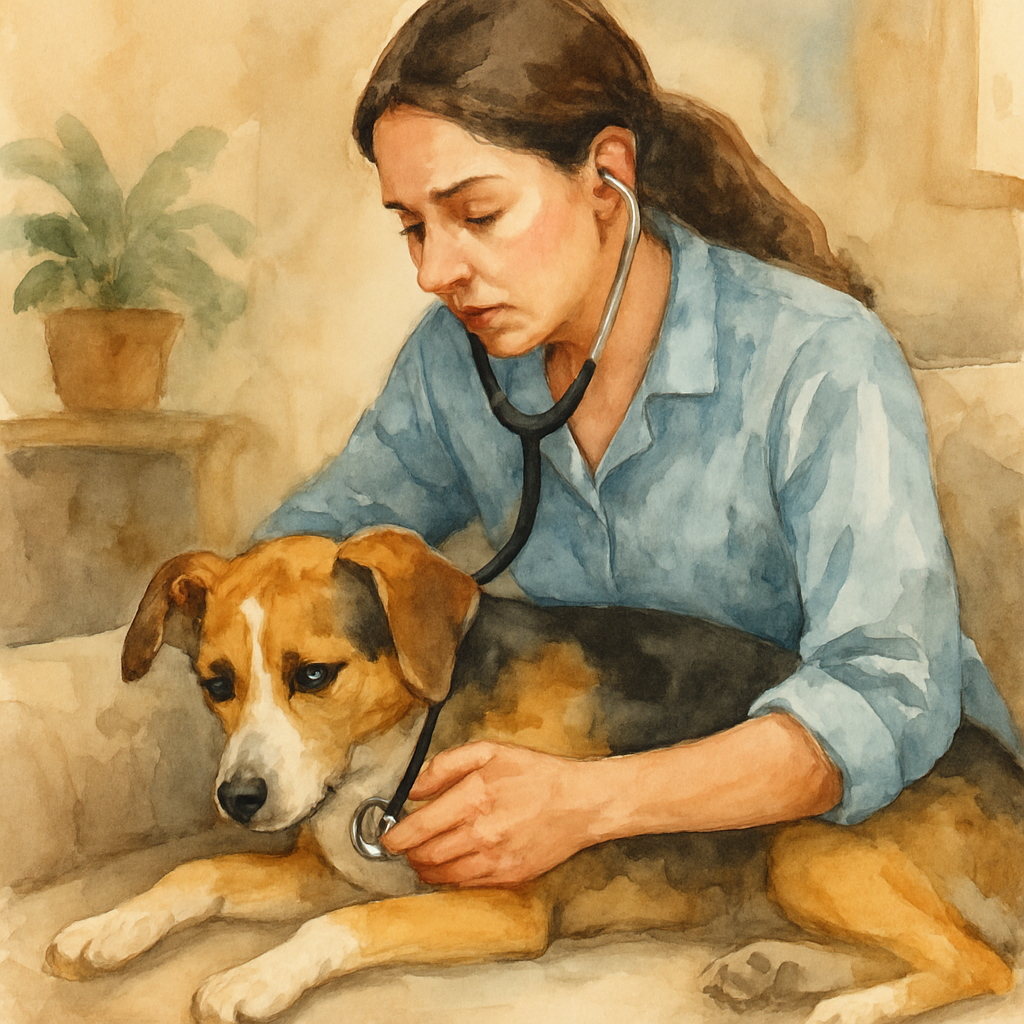
- Stay safe. A painful or panicked pet can bite. Use a towel, blanket, or soft muzzle if needed and safe. Do not muzzle a pet that is vomiting, choking, or struggling to breathe.
- Check ABCs. Airway (clear of obstructions), Breathing (watch chest rise/fall), Circulation (gum color and responsiveness). If not breathing or pulseless, begin CPR and have someone else call the vet.
- Control bleeding. Apply firm, direct pressure with clean gauze or cloth for 3–5 minutes without lifting. Add layers rather than removing soaked ones.
- Manage temperature. Overheating: start active cooling with cool (not icy) water and a fan. Hypothermia: wrap in a dry blanket; do not use direct heat pads on skin.
- Call ahead. Tell the clinic your pet’s species, weight, main symptoms, when they started, any toxins, and what first aid you’ve done. Ask about safe transport instructions.
- Gather essentials. Medications, toxin packaging, recent medical records, photos/videos of symptoms, a leash/carrier, towel/blanket, and a form of payment.
- Transport safely. Use a carrier for cats/small dogs. For trauma, move your pet on a flat, sturdy surface (board, baking sheet, folded blanket) to keep the spine aligned.
Know Your Pet’s Normal Vitals
Checking vital signs helps you recognize trouble early and communicate clearly with your vet.
- Temperature (rectal): 100.0–102.5°F (37.8–39.2°C) for healthy dogs and cats
- Resting heart rate: Dogs 60–140 beats/min (smaller dogs tend to be faster); Cats 140–220 beats/min
- Resting breathing rate: Dogs 15–30 breaths/min; Cats 20–30 breaths/min (sleeping cats can be 16–24)
- Gum color and capillary refill time (CRT): Pink gums; CRT under 2 seconds after pressing and releasing
How to check:
- Pulse: Feel inside the hind leg (femoral artery) or place your hand over the left chest behind the elbow.
- Breaths: Observe the chest rise and fall without touching your pet.
- Temperature: Use a pet-safe digital thermometer with lubricant. Insert gently 1–2 cm for cats/small dogs, 2–3 cm for medium/large dogs.
Practice when your pet is well so you know their baseline. Call your vet if resting breathing exceeds 30/min at home or if gum color looks pale, gray, blue, very red, or yellow.
Emergency Symptoms by Category and What to Do
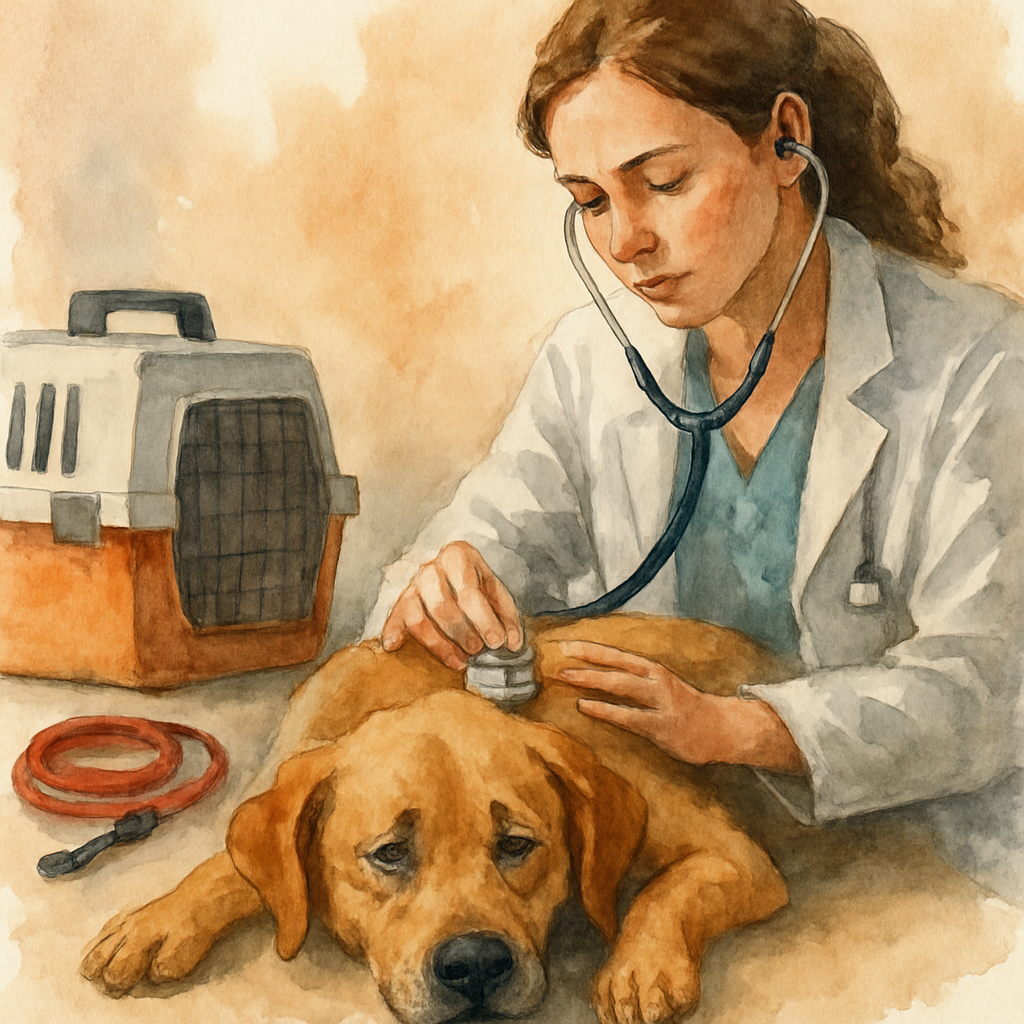
Breathing Trouble (Respiratory Distress)
What you might see: Open-mouth breathing (especially in cats), extended neck, flaring nostrils, belly heaving, noisy or fast breathing, blue/gray gums, collapse.
What to do now: Keep your pet calm and cool; minimize handling; do not use a muzzle. Transport to emergency care immediately. If your pet has a known heart condition and your vet has given you “rescue” instructions, follow them while heading to the clinic.
Severe Bleeding or Wounds
What you might see: Spurting or pooling blood, deep cuts, punctures, large skin tears, or soaking through bandages quickly.
What to do now: Apply direct pressure with clean gauze for 3–5 minutes. For limb wounds, use a snug pressure bandage; monitor toes for swelling/coldness. Tourniquets are a last resort for life-threatening limb bleeds only; if used, record the time and loosen briefly every few minutes per veterinary instructions. Go to the ER.
Collapse, Weakness, or Fainting
What you might see: Sudden inability to stand, “spacing out,” falling over, or brief loss of consciousness.
What to do now: Check ABCs and gum color. Keep warm and quiet. Seek emergency care—causes range from internal bleeding and heart disease to low blood sugar and toxins.
Seizures
What you might see: Full-body shaking, paddling, drooling, incontinence, or brief collapse and rigid limbs; focal signs like facial twitching or fly-snapping.
What to do now: Time the seizure. Clear hazards, dim lights, and avoid touching the mouth. Do not put anything between the teeth. If a seizure lasts over 5 minutes, or multiple occur within 24 hours, go to the ER. Record video for your vet.
Poison Exposures
High-risk toxins include: Chocolate, xylitol (sugar-free gum/candy/peanut butter), grapes/raisins, onions/garlic, lilies (cats), human/animal meds not prescribed to your pet, rodenticide, insecticides, antifreeze (ethylene glycol), marijuana/edibles, alcohol, nicotine, batteries, essential oils (cats and birds), certain plants and mushrooms.
What to do now: Remove your pet from the source. Do not induce vomiting unless a veterinarian or poison hotline instructs you to. For skin/eye exposure, flush with lukewarm water for 10–15 minutes. Call a poison hotline and your vet with the exact product name, amount, and time of exposure. Bring packaging to the clinic.
Suspected Bloat (Gastric Dilatation-Volvulus, GDV)
What you might see: Distended, tight abdomen; trying to vomit but producing nothing; pacing, drooling, restlessness, collapse—common in large, deep-chested dogs.
What to do now: Immediate emergency care only; this is surgical. Do not give food, water, or medications en route.
Heatstroke
What you might see: Heavy panting, drooling, vomiting/diarrhea, bright red or very pale gums, confusion, staggering, collapse. Risks increase with hot weather, enclosed cars, strenuous exercise, brachycephalic breeds (short-nosed), and humid conditions.
What to do now: Move to shade/AC. Begin active cooling: wet with cool (not ice) water, apply a fan, and offer small amounts of water if your pet is fully conscious. Stop cooling at 103°F (39.4°C). Go to the ER—organ damage can progress quickly.
Urinary Blockage in Cats
What you might see: Male cat in the litter box straining with little to no urine, licking the genitals, crying, vomiting, lethargy, firm/painful abdomen.
What to do now: Emergency now. This can be fatal within 24–48 hours due to electrolyte imbalances and kidney failure. Do not wait.
Eye Injuries
What you might see: Squinting, pawing at the eye, redness, cloudiness, discharge, blood in the eye, or the eye bulging out.
What to do now: Prevent rubbing with a cone or protective collar. Do not apply ointments or drops unless directed. If chemicals are involved, flush with sterile saline or clean water for 10–15 minutes. Seek urgent care—eyes can deteriorate rapidly.
Allergic Reactions
What you might see: Hives, facial swelling, itching, vomiting/diarrhea, coughing, collapse.
What to do now: For swelling, breathing trouble, vomiting, or collapse, head to the ER immediately. Only give antihistamines if a veterinarian instructs you on the correct medication and dose for your pet.
Burns, Electrocution, Smoke Inhalation
What you might see: Redness, blistering, singed whiskers, soot in the mouth/nose, coughing, drooling, mouth burns (chewing cords), or collapse.
What to do now: Unplug/turn off power before touching your pet. For thermal burns, cool the area with cool running water for 10 minutes. Do not apply creams, butter, or ice. Seek emergency care—smoke inhalation can cause delayed breathing issues.
Trauma, Fractures, and Bite Wounds
What you might see: Limping, obvious deformity, pain, road rash, or punctures from another animal.
What to do now: Muzzle if safe. Limit movement. Apply pressure on bleeding. Cover open wounds with clean, damp gauze. Bite wounds often look minor but can cause deep infection—seek veterinary care promptly.
Hypoglycemia (Low Blood Sugar)
What you might see: Weakness, tremors, disorientation, seizures; common in toy-breed puppies, insulin-treated diabetics, or pets that haven’t eaten.
What to do now: If your pet is conscious and can swallow, rub a small amount of corn syrup or honey on the gums and offer a small meal. If unconscious, do not feed—seek emergency care immediately.
Hypothermia and Frostbite
What you might see: Lethargy, cold extremities, shivering, pale or bluish skin, painful, discolored ear tips/tails/paws.
What to do now: Warm gradually with dry blankets and your body heat. Do not rub frostbitten areas or use direct heat. Visit your vet.
Essential Pet First Aid Techniques
Safe Handling and Muzzling
- Use a towel, blanket, or soft muzzle to reduce biting risk if your pet is painful or fearful.
- Never muzzle a pet that is vomiting, choking, or having breathing difficulties.
Controlling Bleeding
- Apply firm, direct pressure with gauze for 3–5 uninterrupted minutes.
- For limbs, add a pressure bandage: gauze over the wound, wrap with a stretch bandage snugly but not so tight that toes swell or get cold.
- For pad cuts, pressure and a bootie/wrap can help until you reach the clinic.
- Tourniquet use is reserved for life-threatening limb bleeding that cannot be controlled with pressure. If you must use one, note the time applied and seek emergency care immediately.
Choking Help
- Look into the mouth and gently remove visible obstructions with fingers or blunt tweezers. Do not perform blind sweeps.
- If your pet is not breathing effectively, try 5–10 firm abdominal thrusts just behind the ribcage upward and forward (modified Heimlich), then re-check the mouth.
- Begin CPR if your pet becomes unresponsive and is not breathing. Head to the ER even if the object is expelled—there may be injury or swelling.
CPR Basics for Dogs and Cats
Start CPR only if your pet is unresponsive and not breathing normally.
- Position: Lay on the right side on a firm surface. For most dogs and cats, place hands over the widest part of the chest. For deep-chested dogs (e.g., Greyhounds), compress over the heart. For barrel-chested dogs (e.g., Bulldogs), position the pet on their back and compress the sternum.
- Compressions: 100–120 per minute, compress 1/3–1/2 of chest depth. Allow full chest recoil.
- Breaths: Seal the mouth (or mouth and nose for cats/small dogs) and give 2 gentle breaths after every 30 compressions if you are a single rescuer. Each breath over about 1 second, just enough to see chest rise.
- Cycles: Continue 2-minute cycles, rechecking for breathing/pulse between cycles. Minimize interruptions. If possible, have someone drive while you continue CPR on the way to the ER.
Seizure First Aid
- Do not restrain. Remove nearby hazards, pad the area with blankets, and dim lights.
- Time the seizure. If over 5 minutes or repeated, go to the ER.
- Keep your pet cool; overheating can worsen outcomes. Never put anything in the mouth.
Heatstroke Cooling
- Move to shade or AC. Wet with cool water, apply a fan, and place cool packs in the armpits/groin wrapped in cloth.
- Offer small sips of water only if fully conscious. Avoid ice water and ice baths.
- Stop cooling at 103°F and go to the ER—monitoring and IV therapy are often needed.
Toxin First Aid
- Remove access and collect packaging. If on fur/skin, bathe with pet-safe shampoo or rinse with lukewarm water for 10–15 minutes.
- Never induce vomiting or give activated charcoal unless a vet or poison hotline instructs you to.
- Call poison control with product name, concentration, amount, and time ingested.
Eye Emergencies
- Prevent rubbing with a cone. Do not apply over-the-counter eye meds unless instructed.
- Flush with sterile saline for mild irritants only. Penetrating injuries or sudden pain require urgent care.
Snake Bites and Stings
- Keep your pet calm and limit movement to slow venom spread. Carry if possible.
- Do not cut, suck, or apply ice or tourniquets. Seek immediate veterinary care; antivenom may be needed.
- For stings, remove the stinger by scraping (not pinching) if visible. Monitor for swelling or breathing trouble.
Transporting Your Pet Safely
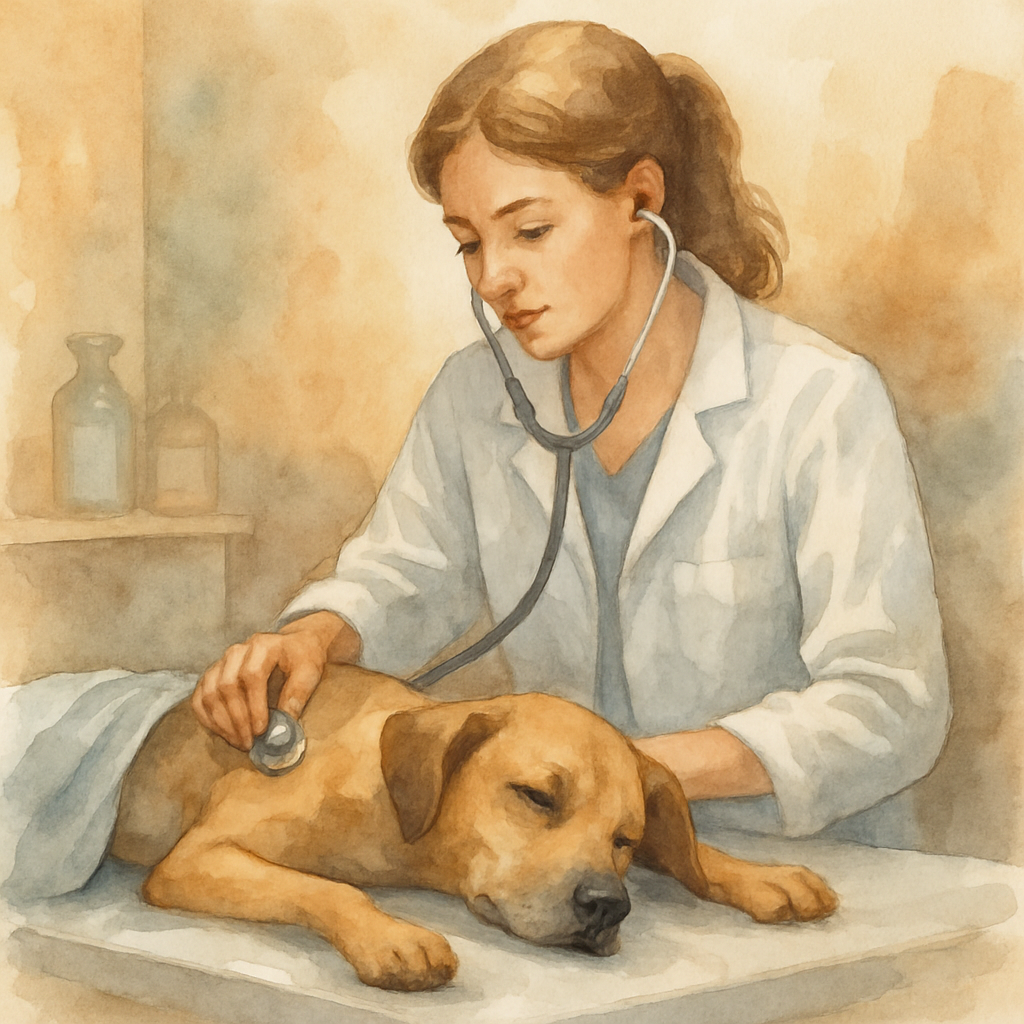
- Cats/small dogs: Use a secure carrier lined with a towel. Cover with a light cloth to reduce stress.
- Medium/large dogs: Use a harness and sturdy leash; for trauma patients, transport on a board, tarp, or folded blanket to keep the spine supported.
- Breathing problems: Keep your pet sternal (on their chest), neck extended, and avoid compression of the chest/neck.
- Bleeding/wounds: Elevate the injured area gently if it doesn’t cause pain or breathing difficulty.
- Drive smoothly, avoid loud music, and keep the vehicle cool and well ventilated.
Build a Pet Emergency Kit and Go-Bag
Store your kit in an easy-to-grab container near an exit. Check and replace expired items twice a year.
- Vet and emergency hospital phone numbers, address, and directions
- Poison control numbers and your pet’s medication list, allergies, and medical conditions
- Gauze pads/rolls, nonstick pads, adhesive tape, self-adhesive wrap (e.g., Vetrap)
- Clean cloths, triangular bandage, cotton swabs, blunt-tipped scissors
- Digital thermometer and lubricant
- Saline eye wash, sterile saline for wound flushing
- Antibacterial wound wash (chlorhexidine 0.05% solution diluted per label), not hydrogen peroxide for wounds
- Tweezers, tick remover, nail clippers, styptic powder
- Muzzle (soft/adjustable), spare leash/harness, collapsible carrier
- Disposable gloves, face mask, hand sanitizer
- Instant cold packs, foil blanket, regular blanket/towels
- Pre-measured oral syringes (for water or vet-directed meds)
- Karo syrup/honey for hypoglycemia emergencies (use only as instructed)
- Copy of vaccination records, microchip number, current photo of your pet
- Water, collapsible bowls, 3–7 day supply of food, extra medications
Prevent Emergencies Before They Happen
- Pet-proof your home: Secure trash; store meds, cleaners, and foods in closed cabinets; use cord protectors; keep houseplants out of reach—especially lilies for cats.
- Outdoor safety: Use leashes/fences; supervise near water; avoid extreme heat and pavement that burns paws.
- Travel smart: Never leave pets in parked cars; use crash-tested harnesses or carriers; pack water and rest stops.
- Training: Teach “leave it,” reliable recall, and calm crate behavior to prevent hazards and ease transport.
- Healthcare: Keep vaccinations and parasite prevention current; manage chronic conditions with regular checkups.
- Identification: Microchip and keep registration info up to date; use visible ID tags and GPS trackers when appropriate.
- High-risk breeds/ages: Learn breed-specific risks (e.g., bloat in large dogs; respiratory issues in brachycephalics) and plan ahead with your vet.
Telehealth vs. In-Person: Which to Choose?
- Use telehealth for minor questions, medication refills, diet advice, mild skin/ear issues, or behavior concerns when your pet is stable. Many clinics offer virtual triage.
- Go in person for breathing issues, trauma, severe pain, neurologic signs, eye injuries, toxin exposures, persistent vomiting/diarrhea, urinary problems, or any rapidly worsening condition.
Costs and Planning Ahead
- Know your ER options: Save the nearest 24/7 emergency hospital’s info in your phone and on your fridge.
- Pet insurance: Choose a plan before emergencies happen; understand deductibles, co-pays, and exclusions.
- Financial preparations: Keep an emergency fund, ask your vet about payment options, and apply for veterinary-specific financing in advance if needed.
- Consent and documentation: If a friend or sitter might bring your pet to the vet, provide written consent and payment arrangements.
Special Notes by Species
Dogs
- Large/deep-chested breeds are at higher risk for bloat; discuss preventive gastropexy with your vet.
- Short-nosed breeds (Bulldogs, Pugs) are prone to heat stress and airway emergencies—avoid heat and excitement.
- Keep potentially hazardous chew items and toys size-appropriate to reduce choking and obstruction risks.
Cats
- Open-mouth breathing and hiding are red flags; cats mask illness until late.
- Male cats can develop life-threatening urinary blockages—straining without producing urine is an emergency.
- Lilies (even pollen and water from the vase) are highly toxic to cats; keep out of the home.
Small Mammals (rabbits, guinea pigs, ferrets, hamsters)
- Stop eating/pooping = emergency, especially in rabbits and guinea pigs; GI stasis progresses quickly.
- Many antibiotics are dangerous for rabbits/guinea pigs—never use meds without an exotics vet’s guidance.
- Keep carriers ready; stress and overheating are major risks.
Birds
- They hide illness until severe. Fluffed feathers, tail-bobbing, sleeping during the day, or reduced appetite warrant urgent evaluation.
- Nonstick cookware fumes and aerosols can be deadly—ensure clean air and proper ventilation.
Reptiles
- Temperature and humidity issues cause many emergencies. Transport with a warm (not hot) source if advised by your exotics vet.
- Do not give human meds; dosing is species-specific and risky.
Quick Triage Checklist You Can Screenshot
- Is my pet breathing? If not, start CPR and head to the ER.
- What color are the gums? Normal pink vs. pale/blue/gray/red/yellow.
- Is there major bleeding? Apply firm pressure for 3–5 minutes.
- Any toxin exposure? Secure the product and call poison control.
- Check temperature if safe: over 104°F or under 99°F is urgent.
- Note time symptoms started and anything unusual eaten/chewed.
- Call the vet/ER—tell them species, weight, signs, and ETA.
- Gather essentials: meds, records, carrier/leash, towel, payment.
- Transport safely: minimize movement, keep calm and cool.
- On arrival, provide a concise history and hand over any packaging or videos.
What to Expect at the Emergency Vet
- Triage first: Critical patients are seen ahead of non-critical ones.
- Diagnostics: May include bloodwork, X-rays, ultrasound, ECG, urinalysis, or toxin testing.
- Treatment plan: The team will discuss options, costs, and likely outcomes so you can decide quickly.
- Hospitalization: Some pets need oxygen, IV fluids, pain control, or monitoring. Ask for updates and estimated timelines.
- Discharge and aftercare: You’ll receive medications and home instructions; clarify wound care, activity limits, warning signs, and follow-up visits.
Frequently Asked Questions
How do I tell if my pet is in pain?
Look for changes like restlessness, hiding, aggression, reduced appetite, vocalizing, trembling, limping, hunched posture, or rapid breathing. Cats often show subtle signs like not jumping, grooming less, or avoiding touch. If you suspect pain, call your vet—do not give human pain relievers.
Should I induce vomiting if my dog ate something bad?
No, not unless a veterinarian or poison control directs you to. Inducing vomiting can be dangerous with certain toxins, sharp objects, or if your pet is sedated, brachycephalic, or has underlying illness. Call poison control for guidance.
Can I give my pet human medications for emergencies?
Do not give human medications unless specifically prescribed and dosed by your veterinarian for your pet. Many common medications (ibuprofen, acetaminophen, cold medicines) can be toxic.
What’s the best way to take my cat’s temperature?
Use a digital rectal thermometer with lubricant. Gently insert 1–2 cm and wait for the reading. If your cat is stressed or aggressive, skip this at home and head to the vet; safety first.
How do I know if my dog’s cut needs stitches?
Deep cuts, gaping wounds, heavy bleeding, wounds over joints or the chest/abdomen, or punctures from bites typically need veterinary care. Small, shallow cuts that stop bleeding with pressure may be cleaned and monitored, but call your vet to be sure—bites can hide deeper damage.
My pet had a seizure once—does that mean epilepsy?
Not necessarily. Seizures can be caused by toxins, metabolic problems, infections, or structural brain disease. Track frequency, duration, and triggers; your vet may recommend blood tests or imaging. Any prolonged or repeated seizures are emergencies.
How hot is too hot for my dog?
If it’s too hot for your hand on pavement for 7 seconds, it’s too hot for paws. Avoid strenuous activity in heat/humidity, especially for short-nosed breeds, seniors, and pets with heart/lung disease. Provide shade, water, and take frequent breaks.
Is teletriage safe in an emergency?
Teletriage can help you decide next steps, but it can’t replace in-person assessment for urgent signs like breathing trouble, trauma, severe vomiting/diarrhea, neurologic signs, or eye injuries. When in doubt, go to the ER.
Final Safety Note
This guide supports but does not replace professional veterinary care. If your pet shows severe or rapidly worsening symptoms—or you’re unsure how serious something is—contact your veterinarian or the nearest emergency animal hospital immediately.