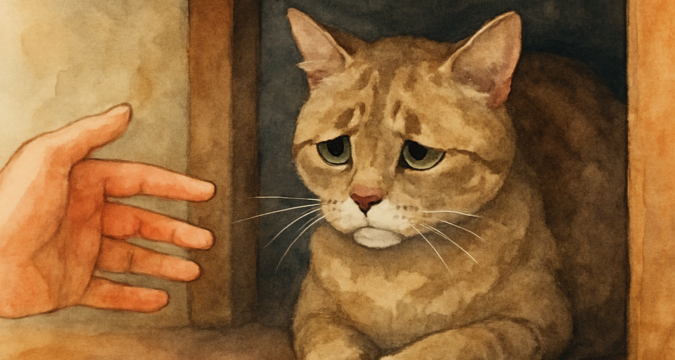
When Your Pet Keeps Hiding: Could It Be Illness, Pain, or Stress?
Hiding is one of the most overlooked pet illness symptoms. Dogs and cats often withdraw when they feel unwell, are in pain, or are stressed. If your normally social pet is suddenly hard to find, pay attention—this behavior can be an early warning sign that lets you help sooner.
Why Pets Hide: Illness, Pain, or Stress?
Hiding is a protective instinct—pets seek quiet, safe spots when they don’t feel their best. It can stem from:
- Illness: Infections, fever, dehydration, digestive upset, or systemic diseases can make pets lethargic and withdrawn.
- Pain: Dental pain, arthritis, injuries, urinary pain, or abdominal pain commonly cause hiding. Many
Key difference: If hiding comes with loss of appetite in pets, vomiting/diarrhea, limp or stiffness, breathing changes, fever, or urinary changes, assume it’s medical until proven otherwise.
Quick Triage: Is This an Emergency?
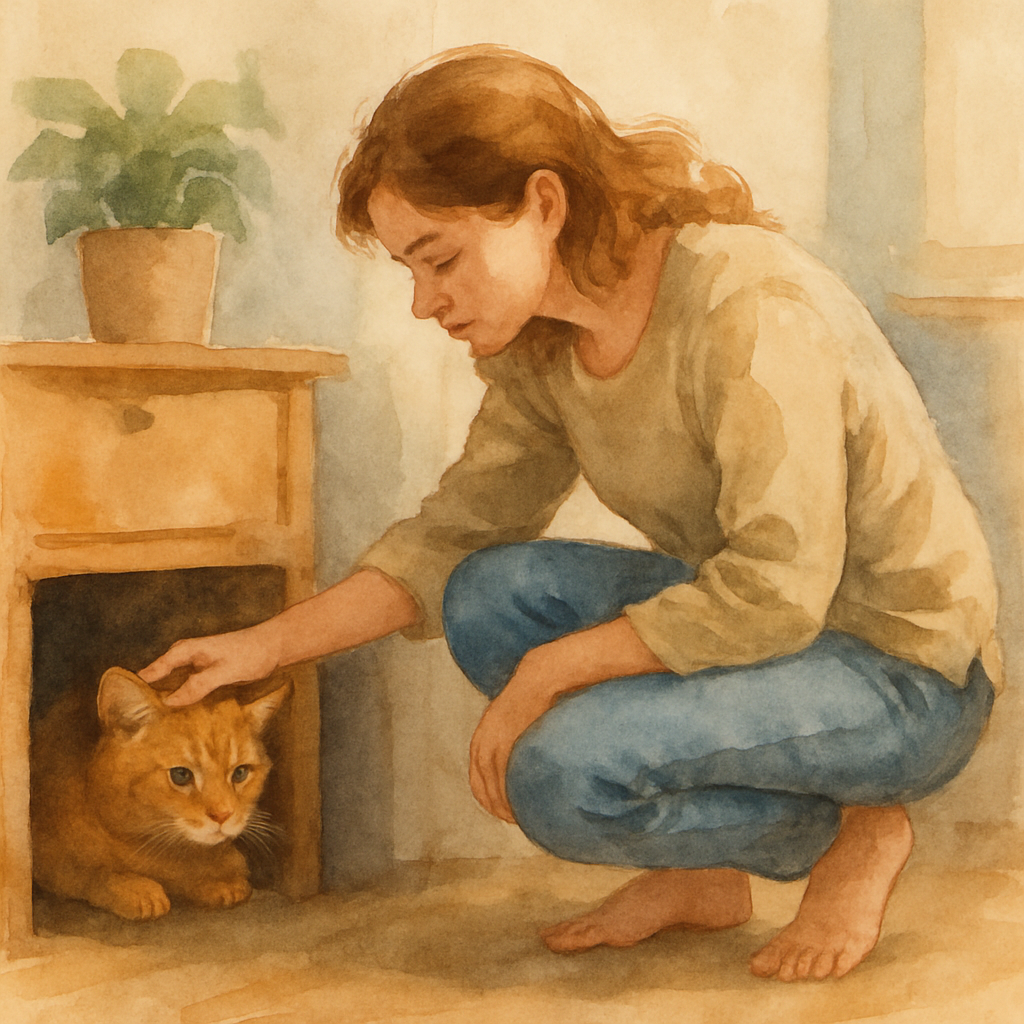
Go to an emergency vet now if you notice any of the following:
- Breathing trouble: Open-mouth breathing (cats), blue/pale gums, fast or labored breathing at rest.
- Urinary emergency (especially male cats): Repeated straining with little/no urine, vocalizing, painful abdomen, licking genitals, vomiting, or extreme lethargy.
- Collapse, unresponsiveness, seizures, or severe weakness.
- Heatstroke signs: Excessive panting, drooling, vomiting, confusion, very high body temperature.
- Persistent vomiting/diarrhea (more than 2–3 episodes in a few hours), especially if there’s blood or your pet is very young, old, or has chronic diseases.
- Known or suspected toxin exposure (chocolate, xylitol, grapes/raisins, rodenticide, human meds, lilies for cats, etc.).
- Significant trauma (hit by car, fall, bite wounds) even if your pet seems “okay.”
- Severe pain (crying out, cannot get comfortable, hunched posture, belly tight like a drum).
Pet Illness Symptoms Guide: What to Look For
This practical pet illness symptoms guide helps you spot patterns and decide the next steps. Remember that some pets, especially cats, mask illness—small changes matter.
1) Energy, Mood, and Movement
- Lethargy in dogs and cats: Napping more, reluctance to play/walk, lagging behind, not greeting you. Persistent lethargy is concerning—especially if paired with appetite change, fever, or vomiting/diarrhea.
- Movement changes: Limping, stiff gait, difficulty jumping onto furniture (cats), hesitation on stairs, “hunched” back, head lowered, reluctance to be touched, or sleeping in unusual positions.
- Behavioral shifts: New aggression, hiding, clinginess, or restlessness can all signal pain or illness.
2) Appetite and Thirst
- Loss of appetite in pets: Skipping a meal is less alarming than skipping several. Cats not eating for 24 hours require vet advice due to risk of hepatic lipidosis. Puppies/kittens should be seen sooner if appetite drops.
- Excess thirst/urination: Could signal diabetes, kidney disease, Cushing’s disease (dogs), or hyperthyroidism (cats). Track water intake and litter box output.
- Sudden food guarding or dropping kibble often indicates dental pain.
3) Vomiting, Diarrhea, and Gut Clues
- Occasional vomiting may occur with dietary indiscretion, hairballs (cats), or mild gastritis. Repeated vomiting, foreign object suspicion, or vomiting with lethargy/pain demands prompt care.
- Diarrhea: Watery stool, urgency, accidents, mucus, or blood. Black, tarry stool can indicate internal bleeding—urgent care needed.
- Bloating or “praying position” (butt up, chest down): Can signal abdominal pain or pancreatitis; in large deep-chested dogs, sudden bloating and unproductive retching may indicate bloat (GDV)—an emergency.
4) Breathing, Coughing, and Sneezing
- Coughing can be due to kennel cough, heart disease, collapsing trachea (small dogs), or pneumonia. A new, persistent, or severe cough warrants a vet visit.
- Upper respiratory signs (cats): Sneezing, nasal discharge, runny eyes, mouth breathing/open-mouth breathing, reduced smell leading to poor appetite.
- Resting respiratory rate (RR): Count breaths while asleep. Dogs typically 15–30/min; cats 20–30/min. Consistent RR above 30 at rest is concerning—call your vet.
5) Fever and How to Check It
“Hot nose” isn’t reliable. For accurate pet fever symptoms assessment, use a pet-appropriate digital thermometer.
- Normal temperature: Dogs ~99.5–102.5°F (37.5–39.2°C); Cats ~100.4–102.5°F (38–39.2°C).
- How to take it: Use a digital rectal thermometer with lubricant (pet-safe). Gently insert 1–2 cm for cats/small dogs; 2–3 cm for medium/large dogs. Ear thermometers made for pets are an option but can be less precise.
- Fever red flags: 103.5°F (39.7°C) or higher, or any fever with lethargy, not eating, vomiting/diarrhea, or pain—call your vet.
- Never give human fever reducers (ibuprofen, naproxen, acetaminophen)—they can be toxic.
6) Pet Pain Signs You Might Miss
- Subtle cat pain signs: Hiding, reduced grooming/matted coat, narrow pupils or squinting, twitchy skin, not jumping, tail tucked around body, flattened ears, sudden dislike of being picked up.
- Dog pain signs: Limping, stiffness after rest, reluctance to sit/stand, whining with movement, tense abdomen, changes in posture, pacing/restlessness at night.
- Oral pain: Dropping food, chewing on one side, pawing at mouth, bad breath, preference for soft food.
- Note: Purring can occur in painful cats; it’s self-soothing and doesn’t rule out pain.
7) Dehydration Signs in Pets
- Gums: Should be moist and slick. Sticky/dry gums suggest dehydration.
- Skin-tent test: Gently lift skin over shoulders; it should snap back quickly. Slow return can indicate dehydration, but results vary with age and body condition.
- Other signs: Sunken eyes, lethargy, fast heart rate, decreased urine.
- What to do: Offer fresh water; for mild cases in dogs, small frequent sips or oral rehydration solution made for pets can help. Cats that are dehydrated or not eating should be seen promptly.
8) Urinary Problems in Pets
- Dogs: Straining, frequent small urinations, accidents, blood in urine, strong odor, licking genitals, pain when urinating. These often indicate urinary tract infection, stones, or pain.
- Cats: Litter box straining, frequent trips with little output, urinating outside the box, blood, vocalization, overgrooming genital area. Male cats can develop life-threatening urethral blockages—seek emergency care if output is minimal or absent.
- Other clues: Drinking more water, nausea, or hiding can accompany urinary issues.
9) Skin, Ears, and Eyes
- Skin: Redness, hot spots, rashes, hair loss, hives, or wounds/abscesses (especially after cat fights). Abscesses may cause fever and sudden hiding 2–3 days after a bite.
- Ears: Odor, discharge, head shaking, scratching, holding a head tilt—common with infections or ear mites (especially in kittens).
- Eyes: Squinting, redness, cloudiness, excessive tearing, or unequal pupils require prompt evaluation.
10) Parasites in Pets: Symptoms to Watch For
- Fleas: Itching, hair loss over rump/tail base, flea dirt (black specks), pale gums in severe infestations (anemia—urgent, especially in kittens).
- Ticks: Visible ticks, scabs, fever, lethargy; some tick-borne diseases cause joint pain and shifting lameness.
- Intestinal worms: Weight loss, pot-bellied appearance (puppies/kittens), scooting, rice-like segments near anus (tapeworm), vomiting worms, diarrhea.
- Giardia/Coccidia: Soft, foul-smelling diarrhea, sometimes with mucus; may wax and wane.
- Heartworm (dogs): Coughing, exercise intolerance; prevention is key as disease can be severe.
11) Common Pet Infection Signs
- Upper respiratory infections: Sneezing, nasal/eye discharge, fever, reduced appetite, hiding.
- Urinary infections: Straining, urgency, foul-smelling urine, accidents—often with pain and hiding.
- Dental infections/abscesses: Drooling, face rubbing, swelling below the eye (upper tooth root abscess), bad breath, reluctance to eat hard food.
- Skin/soft tissue infections: Warm, painful swellings; oozing; fever; lethargy.
When to Take Your Pet to the Vet
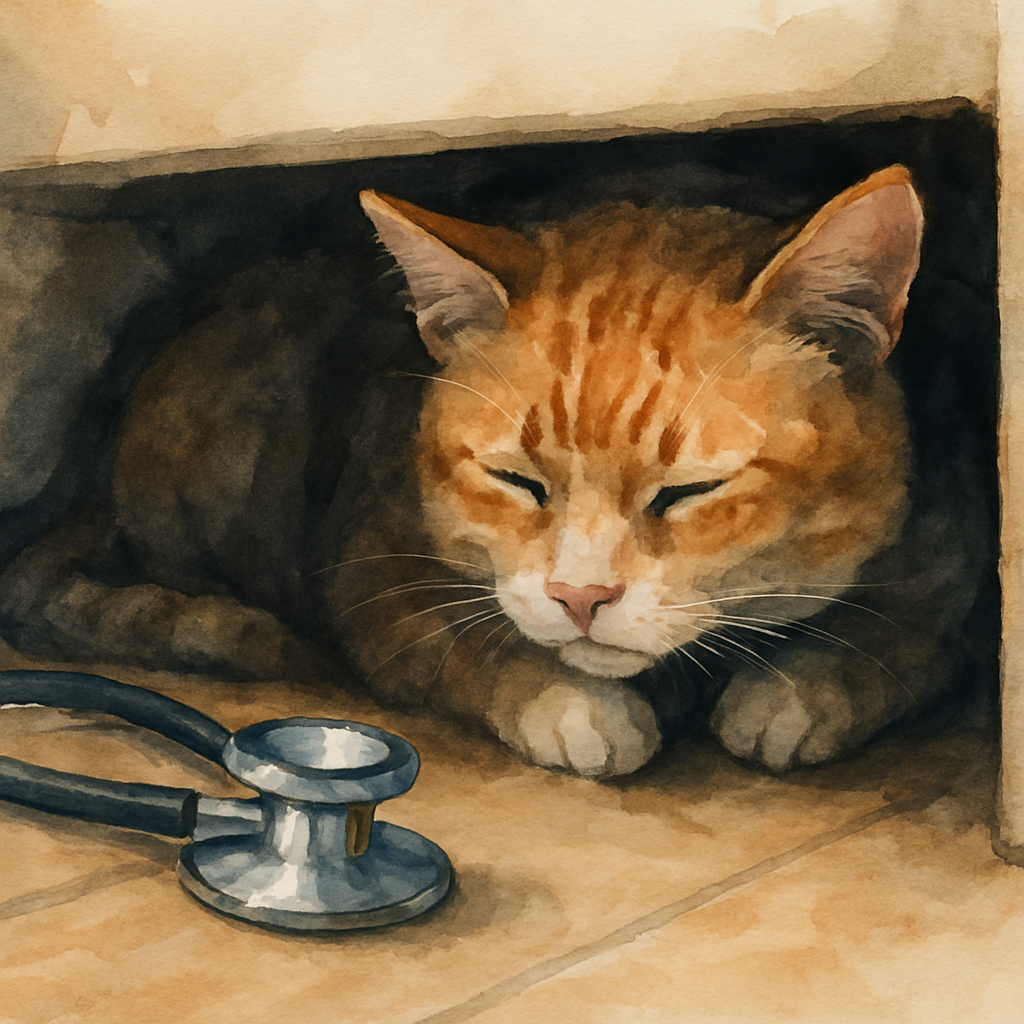
Use this timeline to decide how quickly to seek care. If multiple symptoms occur together, err on the side of sooner.
Seek emergency care now
- Breathing difficulty, open-mouth breathing (cats), pale/blue gums, collapse, seizures.
- Unable to urinate or very small drops with repeated straining (especially male cats).
- Severe abdominal pain, distended abdomen, unproductive retching (possible bloat in dogs).
- Repeated vomiting/diarrhea (2–3+ episodes in a few hours), blood in vomit/stool, or black tarry stool.
- Known toxin exposure or major trauma.
- Rectal temperature ≥ 104°F (40°C) or ≤ 98°F (36.7°C), or any fever with severe lethargy.
Same-day or within 24 hours
- Persistent hiding with other signs like not eating, lethargy, vomiting/diarrhea, or urinary changes.
- Urinary problems in pets (dogs or cats) with discomfort, blood, or frequent accidents.
- Loss of appetite lasting > 24 hours in adult cats/dogs; any decrease in puppies/kittens should be addressed sooner.
- Fever 103.5–104°F (39.7–40°C).
- Eye issues (squinting, redness, discharge) or painful ears with discharge/odor.
- Significant lethargy or changes in gait/posture suggesting pain.
Within a few days (book an appointment)
- Mild, single-episode vomiting or soft stool with normal energy and appetite that resolves within 12–24 hours.
- New cough without distress; nasal discharge/sneezing that’s mild and eating remains normal.
- Intermittent limping that improves with rest and no other red flags.
- Skin itchiness or hair loss without open wounds or severe discomfort.
Home Care and Monitoring (While You Book the Appointment)
- Hydration: Provide fresh water; try ice cubes or a pet fountain (cats). For dogs with mild tummy upset, offer small, frequent sips. Do not syringe water into a vomiting or struggling pet.
- Feeding: Dogs with mild GI upset may take a vet-approved bland diet (e.g., boiled chicken and rice) for 24–48 hours. Do not fast cats. Encourage cats to eat by warming wet food slightly, offering strong-smelling options, or tuna water (not oil). If a cat won’t eat for 24 hours, contact your vet.
- Comfort and rest: Create a quiet, warm area. Limit jumping and rough play. Use ramps/steps for arthritic pets.
- Never give human meds: Avoid ibuprofen, naproxen, acetaminophen, aspirin, or leftover antibiotics unless your vet directs you.
- Track data: Note appetite, water intake, urinations/defecations, vomit/diarrhea frequency, energy level, temperature, and resting respiratory rate.
- Collect samples: Save a fresh stool sample (in a sealed bag) or urine (clean container) for testing if your vet requests it.
- Use prevention safely: If fleas/ticks are present, use vet-recommended parasite products appropriate for species and weight. Never use dog flea products on cats.
- Limit stress: Maintain routine, provide hiding spots/perches for cats, use pheromone diffusers if your vet approves.
- Share visuals: Short videos of breathing, gait/limp, or litter box behavior help your vet assess urgency.
Common Illnesses Behind Hiding and These Symptoms
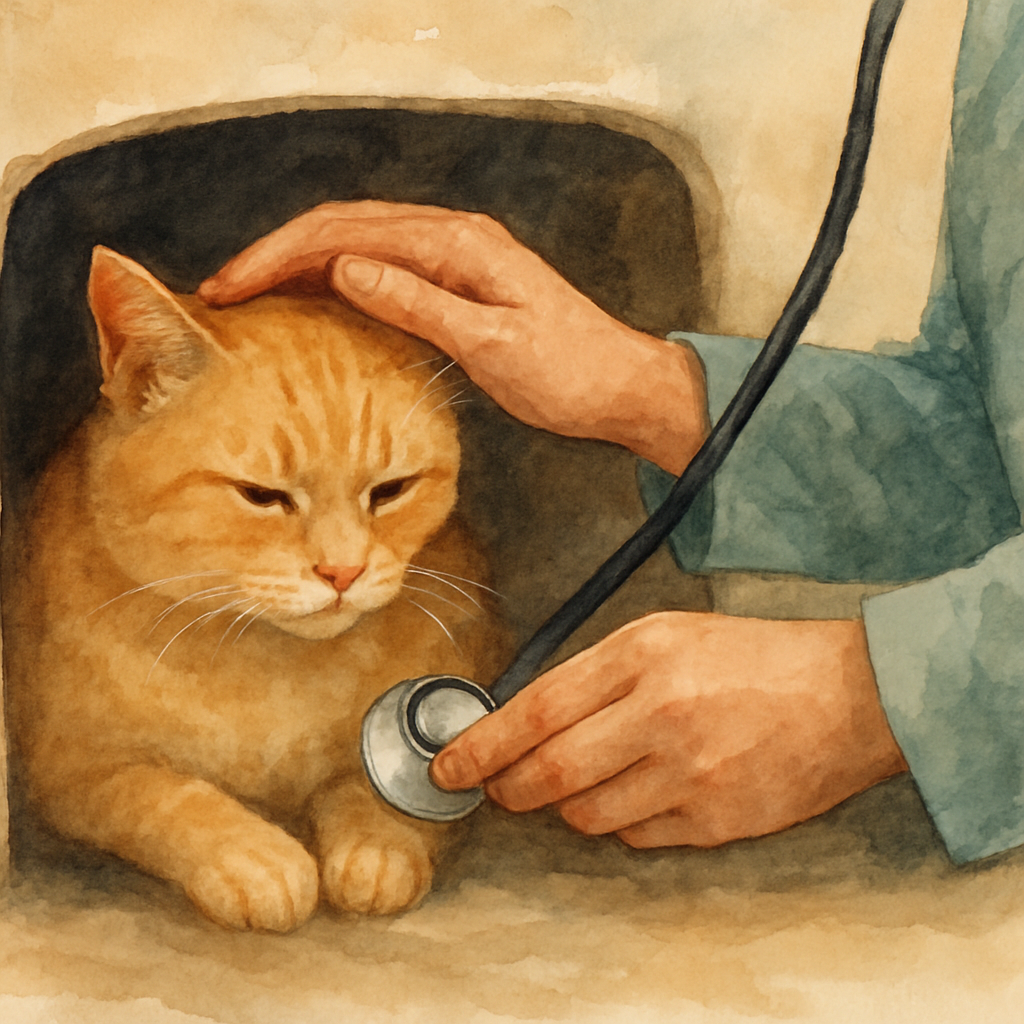
Dogs
- Dental disease/abscess: Drooling, bad breath, face swelling, dropping food, preference for soft foods.
- Arthritis or soft tissue injury: Stiffness after rest, reluctance to jump or climb, slower on walks, limping.
- Gastrointestinal upset/pancreatitis: Vomiting, diarrhea, abdominal pain (praying position), lethargy, decreased appetite.
- Urinary tract infection or stones: Straining, blood, frequent urination, accidents, licking genitals, pain.
- Respiratory infections/kennel cough: Coughing, gagging, nasal discharge, decreased energy.
- Endocrine disease: Diabetes (excess thirst/urination, weight loss), Cushing’s disease (thirst, panting, pot-bellied look), Addison’s disease (lethargy, poor appetite, vomiting; can be acute emergency).
- Tick-borne disease: Fever, shifting lameness, joint pain, lethargy.
Cats
- Feline lower urinary tract disease (FLUTD): Straining, frequent small urinations, blood, urinating outside the box, licking genitals, vocalizing. Male cats risk blockage—emergency.
- Dental disease/stomatitis: Drooling, bad breath, reluctance to eat, pawing at mouth.
- Arthritis: Reduced jumping, overgrown nails, matted coat (less grooming), irritability when touched over hips/back.
- Kidney disease: Increased thirst/urination, weight loss, nausea, poor appetite, halitosis, dehydration.
- Pancreatitis or GI disease: Hiding, poor appetite, vomiting, abdominal discomfort.
- Upper respiratory infections: Sneezing, nasal/eye discharge, decreased appetite due to loss of smell.
- Hyperthyroidism (usually older cats): Weight loss despite good or increased appetite, restlessness, vomiting/diarrhea; some may hide or become irritable.
- Abscess after a bite: Fever, swelling, pain, sudden lethargy/hiding 2–3 days post altercation.
Prevention and Wellness Tips
- Regular checkups: Yearly for healthy adults; every 6 months for seniors or pets with chronic conditions.
- Vaccinations: Keep core vaccines current; discuss lifestyle risks with your vet.
- Parasite prevention: Year-round flea/tick control where indicated; heartworm prevention for dogs (and cats in some regions); routine deworming per your vet.
- Dental care: Professional cleanings as advised; daily or frequent brushing; dental diets/chews approved by your vet.
- Nutrition and weight: Feed balanced, species-appropriate diets; maintain healthy body condition to lower arthritis and diabetes risks.
- Hydration: Multiple water sources; fountains for cats; wet food can help fluid intake.
- Environment: Safe hiding spots and vertical space for cats; comfortable bedding and non-slip flooring for arthritic pets; enrichment and predictable routines to reduce stress.
- Know your pet’s baseline: Normal appetite, energy, litter/urination patterns, and resting breathing rates—so changes stand out quickly.
FAQ
My pet is hiding but still eating. Should I worry?
Yes—especially if hiding is new or persistent. Eating doesn’t rule out pain or illness. Watch for additional pet illness symptoms like lethargy, limping, fever, vomiting/diarrhea, or urinary changes. If hiding lasts longer than a day or two—or sooner if other signs appear—contact your vet.
How long can I wait if my cat or dog won’t eat?
Cats should not go 24 hours without food—call your vet. Dogs skipping one meal may be okay if they otherwise act normal, but skipping more than 24 hours or pairing with lethargy, vomiting, or diarrhea needs prompt evaluation. Puppies/kittens require earlier assessment.
What’s the safest way to check for a fever at home?
Use a digital pet thermometer rectally with lubricant, or a pet-designed ear thermometer. Normal is roughly 99.5–102.5°F for dogs and 100.4–102.5°F for cats. A temperature ≥ 103.5°F or paired with other concerning signs warrants a call to your vet. Don’t give human fever meds.
My cat is peeing outside the box and hiding. Is it behavioral?
It can be medical. Painful urination from infection, crystals, inflammation, or stones often causes accidents and hiding. If your cat is straining, producing only drops, or you see blood, seek same-day care—male cats can block and require emergency treatment.
Can stress alone cause hiding?
Yes. New environments, loud noises, or household changes can trigger hiding. However, if stress-related hiding also includes not eating, vomiting/diarrhea, urinary changes, or lethargy, assume illness until a vet rules it out.
Which human medications are safe for pets?
None unless your veterinarian specifically instructs you. Common human pain relievers (ibuprofen, naproxen, acetaminophen) can be dangerous or fatal, particularly in cats.
Can parasites make my pet hide?
Yes. Fleas, ticks, and intestinal parasites can cause itching, anemia, GI upset, joint pain, or fever—leading to lethargy and hiding. Use year-round, vet-recommended preventives and regular fecal testing.
What information should I bring to the vet?
Timeline of symptoms; appetite, water intake, urination/defecation changes; any vomit/diarrhea frequency; temperature and resting respiratory rate; list of foods/medications/supplements; travel/boarding history; photos or short videos of concerning behaviors.
If your pet is hiding and showing any of the above pet illness symptoms, trust your instincts. Early attention—whether monitoring at home for mild issues or seeking veterinary care for urgent problems—can make a big difference in comfort, recovery, and outcomes. When in doubt, call your vet for guidance.