
Dog Breeds Guide: How to Compare Temperament, Care, and Lifestyle Fit
Picking the right dog isn’t about the “cutest” breed. It’s about alignment: temperament, care needs, and your real day-to-day life. This guide shows you how to compare breeds and mixes in a practical, methodical way so you can choose a great companion for the long term.
Quick-Start: A 3-Step Comparison Method
Before diving into breed profiles, define your needs. Use this simple method to narrow your shortlist fast.
- Must-haves: Non-negotiables such as good with children, low shedding, okay for apartments, or comfortable in hot climates.
- Dealbreakers: Traits you cannot manage, such as intense prey drive around cats, frequent howling, extreme separation anxiety risk, or heavy grooming costs.
- Nice-to-haves: Preferences like enjoys jogging, eager to train, friendly with everyone, or likes water.
As you research, assign each breed or mix a quick score from 1–5 for the following:
- Temperament match (calm/social vs reserved/guarding instincts)
- Energy and exercise needs
- Trainability and mental stimulation needs
- Grooming and shedding level
- Size/strength and housing fit
- Typical health/lifespan profile
- Kid/cat/other-dog compatibility
- Climate suitability
- Monthly cost fit
Shortlist the top 3–5 breeds or mixes with the highest total. Then meet real dogs from those groups before deciding.
Temperament: Understand What You’re Choosing
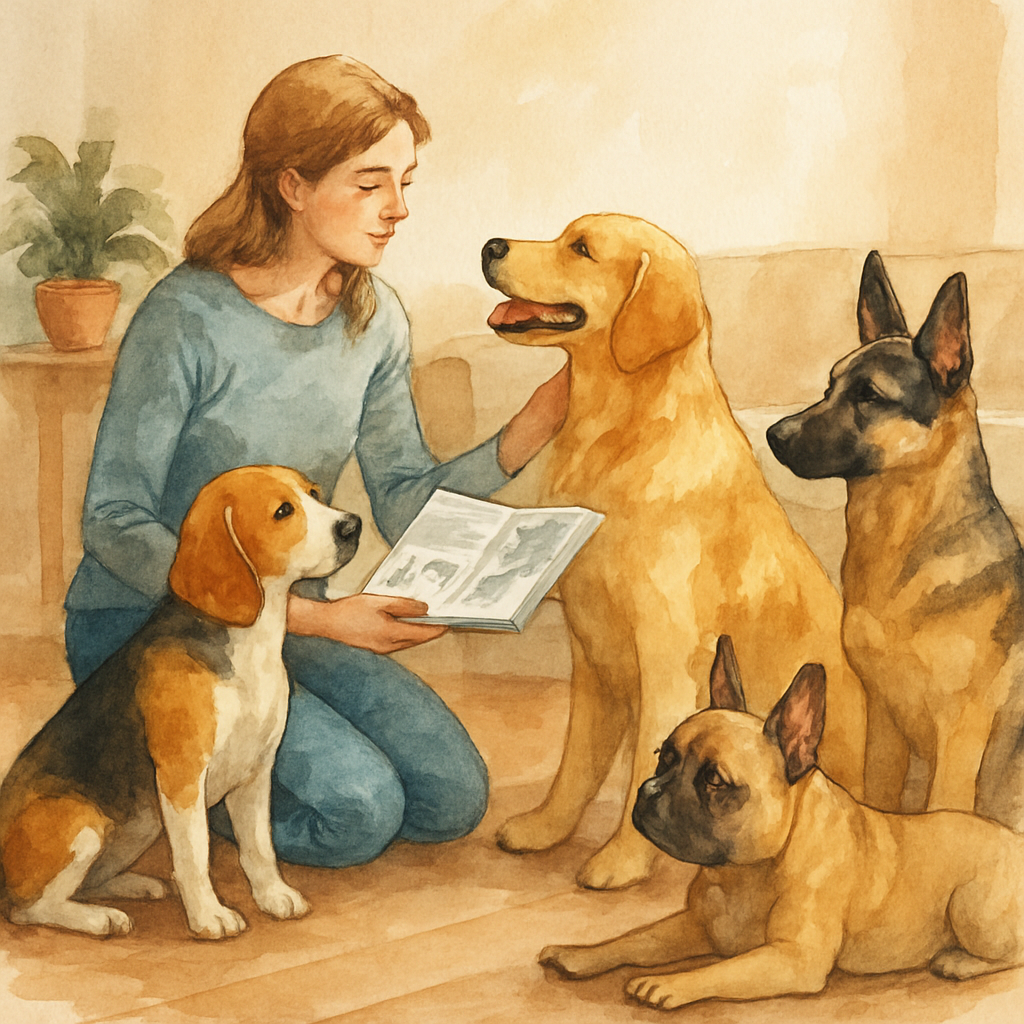
Temperament is the dog’s default emotional style and behavior tendencies. It includes sociability, confidence, prey or guarding drive, noise sensitivity, and tolerance for strangers and handling. While individuals vary, breed groups hint at patterns:
- Sporting/Retreivers (e.g., Labs, Goldens): Social, biddable, people-oriented; need daily activity and attention.
- Herding (e.g., Border Collie, Aussie, Sheltie): High intelligence and energy; can be motion-sensitive; love jobs and structure.
- Working/Guardian (e.g., Rottweiler, Doberman, Great Pyrenees): Protective instincts, strong; need training and confident handling.
- Hounds (e.g., Beagle, Greyhound): Nose or sight-driven; can be independent; exercise needs vary widely.
- Terriers (e.g., Jack Russell, Bull Terrier): Bold, tenacious, often high prey drive; energetic; need outlets for digging/chewing.
- Toy (e.g., Cavalier, Maltese): Companion-focused; many do well in smaller spaces; still need training and enrichment.
- Non-sporting/Utility (e.g., Poodle, Boston Terrier): Diverse traits; research specific breeds for grooming and energy needs.
Temperament isn’t destiny. Socialization, training, and routine shape behavior. Still, choosing a breed with a baseline that fits your lifestyle makes success easier.
Energy Level and Exercise Needs
Energy level is the biggest mismatch risk. Ask how much daily movement and mental work you can offer on a busy weekday, not just weekends.
- Low-to-moderate: Basset Hound, Greyhound (retired racers), Shih Tzu. Daily walks and short playtimes usually suffice.
- Moderate: Labs, Goldens, Standard Poodles, Beagles. Expect 60–90 minutes of daily activity plus training games.
- High: Border Collie, Belgian Malinois, working-line German Shepherd, most terriers. Plan for multi-hour exercise, training, and jobs—every day.
Exercise isn’t only running. Rotate:
- Leash walks at varying paces and routes
- Fetch, flirt pole play, tug with rules
- Nosework (snuffle mats, scent games), puzzle feeders
- Training sessions (5–10 minutes, 2–3 times daily)
- Hikes or dog sports (agility, rally, canicross)
Signs your dog needs more: destructive chewing, pacing, zoomies at midnight, reactive behavior on walks, barking at every sound. If you can’t reliably provide activity, favor breeds and individuals with calmer lifestyles.
Trainability, Intelligence, and Mental Stimulation

“Smart” dogs aren’t always easier. High-intelligence breeds notice every inconsistency and invent their own hobbies if bored. Consider:
- Biddability: Desire to work with humans (Labs, Goldens, many herding breeds).
- Independence: Self-directed dogs (Shiba Inu, Afghan Hound) may master cues but choose not to perform consistently.
- Sensitivity: Some dogs shut down under harsh corrections; positive reinforcement works best for most.
Ask yourself: Do you enjoy training as a daily practice? If yes, a herding breed or working dog can thrive. If not, choose a breed or individual known for easygoing compliance and moderate stimulation needs.
Size, Space, and Handling
Big dogs need space to turn around—but small dogs can have big energy. Space is less about square footage and more about structured time outdoors.
- Apartments: Consider sound sensitivity (barking), elevator tolerance, and daily exercise plans. Many Greyhounds, Cavaliers, and some mixed-breed adults do great in apartments.
- Strength: A 70–90 lb dog requires leash handling skill. If you have mobility concerns, a lighter or well-matched temperament is safer.
- Yards: Nice to have, not a substitute for walks. Even yard-rich dogs need mental work and social experiences.
Grooming, Shedding, and Home Care

Grooming affects time, cost, and allergies. Coat types:
- Short, smooth coats (Boxer, Doberman): Low maintenance; still shed and carry allergens.
- Double coats (Husky, German Shepherd): Heavy shedding, seasonal “blowouts”; require weekly brushing and frequent vacuuming.
- Curly/non-shedding-type coats (Poodle, Bichon, many doodles): Low visible shedding but high grooming needs; professional clips every 4–8 weeks plus home brushing.
- Silky/long coats (Yorkie, Maltese): Regular brushing to prevent mats; may need frequent trims.
- Wire coats (Schnauzer, some terriers): Hand-stripping or regular clipping; plan for professional groomers.
Grooming costs vary by size and coat—budget $40–$120+ per session for professional care. Even “low-shed” dogs produce allergens through dander and saliva. If you have allergies, spend time with the breed or mix first, and ask about trial fostering.
Health, Lifespan, and Insurance
Every dog deserves a health plan. Common considerations by group (not exhaustive):
- Large/giant breeds (Great Dane, Mastiff): Shorter lifespans; joint issues; bloat risk. Elevated food and medication costs.
- Brachycephalic (French Bulldog, Pug, English Bulldog): Potential breathing and heat intolerance; airway surgery not uncommon; careful temperature management needed.
- Herding breeds: Possible sensitivities (e.g., MDR1 gene) to certain medications; high orthopedic risk with intense sports if overexerted young.
- Retrievers: Hip/elbow dysplasia, some cancers; obesity risk without proper diet and exercise.
- Toy breeds: Dental disease common; fragile bones in tiny dogs; patellar luxation risk.
Ask breeders or rescues about health testing: hips, elbows, eyes, cardiac, breed-specific DNA screening. Consider pet insurance, especially for breeds with known orthopedic or airway risks. Annual wellness visits and dental care add up but prevent bigger bills.
Health or safety concern right now? If your dog shows signs of distress (trouble breathing, severe lethargy, repeated vomiting, heatstroke signs, sudden collapse), contact your veterinarian or an emergency clinic immediately. Online advice can’t replace urgent professional care.
Kids, Other Pets, and Social Life
Most dogs can live well with children and other animals if socialized and supervised properly. Still, baseline tendencies matter.
- With children: Seek stable, patient temperaments. Teach kids calm interactions: no ear pulling, no climbing, give the dog a safe zone.
- With cats: Sighthounds and terriers may have higher prey drive; many individuals coexist peacefully if introduced carefully. Ask for “cat-tested” notes from rescues.
- With dogs: Dog-park enthusiasm is not universal. Some breeds prefer small friend groups or parallel play. Structured intros and decompression are key.
Golden rule: prioritize temperament of the individual dog over breed label when adding to a home with kids or pets. Meet-and-greets and trial periods are invaluable.
Climate and Environment Fit
Your local weather and terrain change care needs:
- Hot/humid: Brachycephalics and thick double-coated breeds struggle. Walk early/late, use cooling gear, provide shade and water.
- Cold/snowy: Short-haired dogs may need coats/booties. Double-coated breeds thrive but still need paw care.
- Urban: Noise tolerance, elevator manners, and leash-walking skills are essential.
- Rural/suburban: Fencing, recall training, and wildlife awareness matter. Herding breeds may chase vehicles or livestock without management.
Budget: One-Time and Monthly Costs
Budget realistically; larger or higher-maintenance breeds cost more over time.
- One-time: Adoption/breeder fee, spay/neuter (if needed), initial vaccines, microchip, crate, bed, bowls, leash/collar/harness, ID tags, toys, grooming tools.
- Monthly: Food (size and quality dependent), flea/tick/heartworm preventives, grooming, training classes, insurance, treats and enrichment, poop bags.
Examples (very general):
- Small dog: $40–$90/month (food, preventives, basic supplies) plus grooming if needed.
- Medium dog: $60–$130/month.
- Large/giant dog: $100–$250+/month, especially with premium food and higher medication dosages.
Build an emergency fund or carry insurance. A single orthopedic surgery can exceed $3,000–$6,000; airway or spinal surgeries more.
Lifestyle Scenarios and Sample Breed Matches
Use these real-life examples to think practically. Remember: individuals vary; meet the dog.
1) Apartment + 9–5 job + moderate activity
- Often a good fit: Greyhound (surprisingly couch-friendly), Cavalier King Charles Spaniel, many adult mixed-breed rescues with calm temperaments, Bichon Frise, Havanese.
- Why: Content with a couple of solid walks and enrichment, generally manageable in tight spaces.
- Watch-outs: Separation training is key; some toy breeds bark at hallway noises; brachycephalics may struggle with stairs/heat.
2) Active runner/hiker 5–6 days a week
- Often a good fit: Vizsla, German Shorthaired Pointer, Australian Shepherd (show/companion lines), Border Collie (companion lines), Standard Poodle, husky mixes.
- Why: Thrive with daily cardio and a job; enjoy training.
- Watch-outs: High mental needs; boredom equals mischief. Avoid high-impact exercise for puppies until growth plates close (ask your vet).
3) Family with toddlers + first-time dog owners
- Often a good fit: Labrador Retriever, Golden Retriever, Cocker Spaniel, many calm mixed-breed adults, Standard Poodle (well-socialized).
- Why: Generally people-oriented and tolerant.
- Watch-outs: Supervise all kid-dog interactions; teach gentle handling; pick an individual tested with children.
4) Allergy-aware household
- Often a good fit: Poodle (all sizes), Bichon Frise, Maltese, certain terriers (e.g., Bedlington, Soft Coated Wheaten) with regular grooming.
- Why: Lower shedding reduces allergen spread, but not allergen-free.
- Watch-outs: Extensive grooming schedules and costs; meet the specific dog to test your sensitivity.
5) Multi-pet home with a cat
- Often a good fit: Many retrievers, spaniels, some toy breeds, cat-tested adult rescues.
- Why: Lower prey drive tendencies in many lines; known history helps.
- Watch-outs: Sighthounds/terriers may chase; choose individuals with proven cat compatibility and manage intros slowly.
Purebred vs Mixes vs “Doodle” Types
Purebred: Predictable size/coat and many behavioral tendencies; responsible breeders health-test parents and screen homes. Still, individuals vary and lines matter (working vs companion).
Mixed-breed: Often wonderful temperaments and fewer extreme traits; size and coat may be less predictable in puppies; adult mixes offer known personalities. Many excellent dogs await in shelters and rescues.
Doodle/crossbred “designer” dogs: Can be great companions but coat and shedding vary. Ethical breeders health-test both lines and set expectations for grooming. Avoid assumptions that any poodle cross is low-maintenance or hypoallergenic.
Where to Find the Right Dog: Shelters, Rescues, Ethical Breeders
Choose sources that prioritize health and welfare. Ask questions:
- For shelters/rescues: What’s the dog’s daily routine, behavior notes, and foster observations? Is the dog cat/kid/dog-tested? Medical history? Return policy?
- For breeders: What health tests were done (hips, elbows, eyes, cardiac, breed-specific DNA)? Temperament of parents? Early socialization? Contract with take-back policy? Limited registration or spay/neuter agreement?
Red flags: No health testing, unwillingness to let you meet adult dogs or see environment, multiple litters constantly available, pressure to buy, no return policy, or sales via third-party brokers.
Meet the Breed Before You Commit
Nothing replaces face-to-face time with real dogs.
- Visit breed clubs, sports events, or meetups.
- Ask rescues about trial adoptions or foster-to-adopt.
- Schedule playdates with friends who own the breed.
- Walk a dog through a volunteer program to feel handling strength and leash manners.
Bring your checklist and take notes on noise sensitivity, trainability, energy, and overall vibe.
Decision Scoring Worksheet (Simple DIY)
Create a list of your top 5 candidate breeds or mixes. For each, rate 1–5 (5 = excellent fit):
- Temperament baseline for your goals
- Energy/exercise match to weekday schedule
- Trainability and mental work you enjoy
- Grooming time/cost tolerance
- Size/handling fit for your home and strength
- Health outlook and insurance comfort
- Kid/cat/dog compatibility in your situation
- Climate suitability
- Total monthly budget alignment
Add notes for dealbreakers. Eliminate any breed scoring under 3 in two or more categories that matter most to you. Revisit after meeting real dogs.
First 30 Days with a New Dog: Set Up for Success
Transition well and you’ll see the true temperament shine.
- Decompression: Keep the first week calm. Predictable routines, quiet spaces, and limited visitors.
- House rules: Decide on furniture access, feeding spot, and potty schedule before homecoming. Everyone follows the same plan.
- Crate or safe zone: A secure place reduces stress and prevents accidents. Make it positive.
- Training: Short, daily sessions for name response, sit, settle on mat, loose-leash walking, recall foundations.
- Socialization (puppies): Positive exposure to sounds, surfaces, people, and friendly vaccinated dogs. Keep sessions short and upbeat.
- Health: Schedule a vet check within 1–2 weeks; discuss vaccines, preventives, microchip, and diet. Dental plan early, especially for small breeds.
Tools that help: puzzle feeders, long line for safe recall practice, chew variety (rubber, nylon, natural), treat pouch, clicker or marker word.
Common Myths, Debunked
- “A yard replaces walks.” Dogs need mental work and varied experiences. Yards are a bonus, not a plan.
- “Low-shedding means low-maintenance.” Often the opposite; curly coats need frequent professional grooming.
- “All dogs of X breed are the same.” Lines and individuals vary. Meet the actual dog.
- “Adopted dogs have unknown issues.” Many rescues provide detailed foster notes; adult dogs show their true personalities.
- “Smart dogs are easier.” Intelligence without outlet equals mischief. Match mental needs to your time.
- “Puppies bond better than adults.” Adult dogs form deep bonds; they’re often easier because personalities are set.
Examples: Side-by-Side Reasoning for Popular Choices
Thinking through a few popular breeds can clarify your own needs.
Labrador Retriever vs. Border Collie vs. French Bulldog
- Labrador: Social, biddable, high shedding, moderate-to-high exercise. Great family dogs with training. Needs daily outlets and weight management.
- Border Collie: Extremely high mental/physical needs; excels in training and sports. Best for owners who enjoy daily structured work. Not ideal for low-activity homes.
- French Bulldog: Affectionate, lower exercise tolerance, brachycephalic care required. Not a jogging partner; watch heat. Grooming easy, but vet bills can be high.
Greyhound vs. Siberian Husky vs. Shiba Inu
- Greyhound: Calm indoors, sprinty outdoors; fine in apartments; low grooming; sensitive souls who love soft beds.
- Husky: Endurance athlete; heavy shedding; loves cold; vocal and escape-prone; happiest with vigorous daily exercise.
- Shiba Inu: Independent, clean, moderate exercise; may be aloof; recall unreliable; needs patient, consistent training.
Safety, Training Ethos, and When to Get Help
- Use positive reinforcement; avoid harsh corrections that can create fear or reactivity.
- Teach management: baby gates, leashes indoors for training, and structured rest times.
- If you see red flags (resource guarding, severe fear, persistent aggression), contact a certified trainer or veterinary behaviorist early.
- Suspect pain or sudden behavior changes? Call your veterinarian—medical issues often drive behavior.
If your dog has urgent symptoms such as breathing difficulty, heat stress, repeated vomiting, or collapse, seek veterinary care immediately.
Checklist: Questions to Answer Before You Choose
- How many minutes of exercise can I provide on busy weekdays? Real number, not hopes.
- How much can I spend monthly on food, preventives, grooming, and training?
- Who will handle midday breaks, vacations, and sick days?
- Do I want a dog who greets everyone or a more reserved companion?
- What coat and grooming routine am I willing to maintain?
- How does my climate affect breed comfort and safety?
- Do I have kids, cats, or dogs to consider? Which traits support harmony?
- Am I open to adult or senior dogs for known personalities and calmer energy?
FAQ: Dog Breed Comparison and Lifestyle Fit
How do I know if a high-energy breed will work for me?
Test your routine first. For two weeks, schedule 90–120 minutes of combined walks, training, and play daily. If that’s enjoyable and sustainable, a higher-energy breed or individual may fit.
Are mixed-breed dogs predictable enough?
Adult mixes are often very predictable because their size and personality are already known. For puppies, meet parents if possible and ask the rescue or breeder for likely size/coat estimates.
Can I keep a big dog in a small apartment?
Yes, if you commit to exercise, training, and mental enrichment. Size matters less than temperament and daily routine. Many large dogs are calm indoors.
Which breeds are best for first-time owners?
Look for biddable, social dogs with moderate energy and manageable grooming. Individual temperament matters most; Labs, Goldens, Cavaliers, Poodles, and many adult mixed-breeds are common wins.
What if I have allergies?
Spend time with the specific dog first. Lower-shedding breeds can help, but no dog is truly hypoallergenic. Use HEPA filters, frequent grooming, and bedroom-free zones.
How young is too young for hard exercise?
High-impact running, jumping, or repetitive fetch is risky for growing joints. Focus on short, positive walks and training until growth plates close—timelines vary by size. Consult your veterinarian for safe activity levels.
How do I compare two breeds quickly?
Score each on temperament match, energy, trainability, grooming, size/handling, health profile, social compatibility, climate fit, and cost. Eliminate any breed that fails your must-haves or hits your dealbreakers.
The Bottom Line
The best dog for you is the one whose temperament and care needs match your real life. Start with your must-haves and dealbreakers, learn what breeds and mixes were designed to do, and confirm your shortlist by meeting real dogs. When temperament, care, and lifestyle align, you’ll build an easy, joyful partnership that lasts for years.