Early Signs of Common Pet Illnesses Every Owner Should Never Ignore
Subtle changes in your dog or cat can be the first clues that something is wrong. This symptom-based guide explains the most important pet illness symptoms to watch for, how to check your pet at home, and when to call the veterinarian. If your pet seems seriously unwell, is in pain, is having breathing trouble, or your instincts say “this isn’t right,” contact a vet or emergency clinic immediately.
A 2-Minute Home Check: Fast Way to Spot Trouble
Use this quick routine once a day when you feed or groom your pet. It can help you catch early signs of pet sickness before they become emergencies.
- Appetite and water: Did your pet eat and drink normally today?
- Energy and behavior: Normal playfulness, or unusually quiet, hiding, restless, clingy, or irritable?
- Breathing: Calm and effortless, or labored, fast, noisy, or with frequent coughing/sneezing?
- Gums and mouth: Gums pink and moist? Any bad breath, drooling, or difficulty chewing?
- Hydration: Gums moist (not tacky), skin springs back quickly after a gentle “tent” at the shoulder?
- Temperature (if unwell): Use a pet digital rectal thermometer if your pet seems sick.
- Bathroom habits: Normal urine and stool? Any straining, blood, diarrhea, constipation, or accidents?
- Eyes/ears/nose/skin:
Pet Illness Symptoms Guide: What to Watch and What to Do
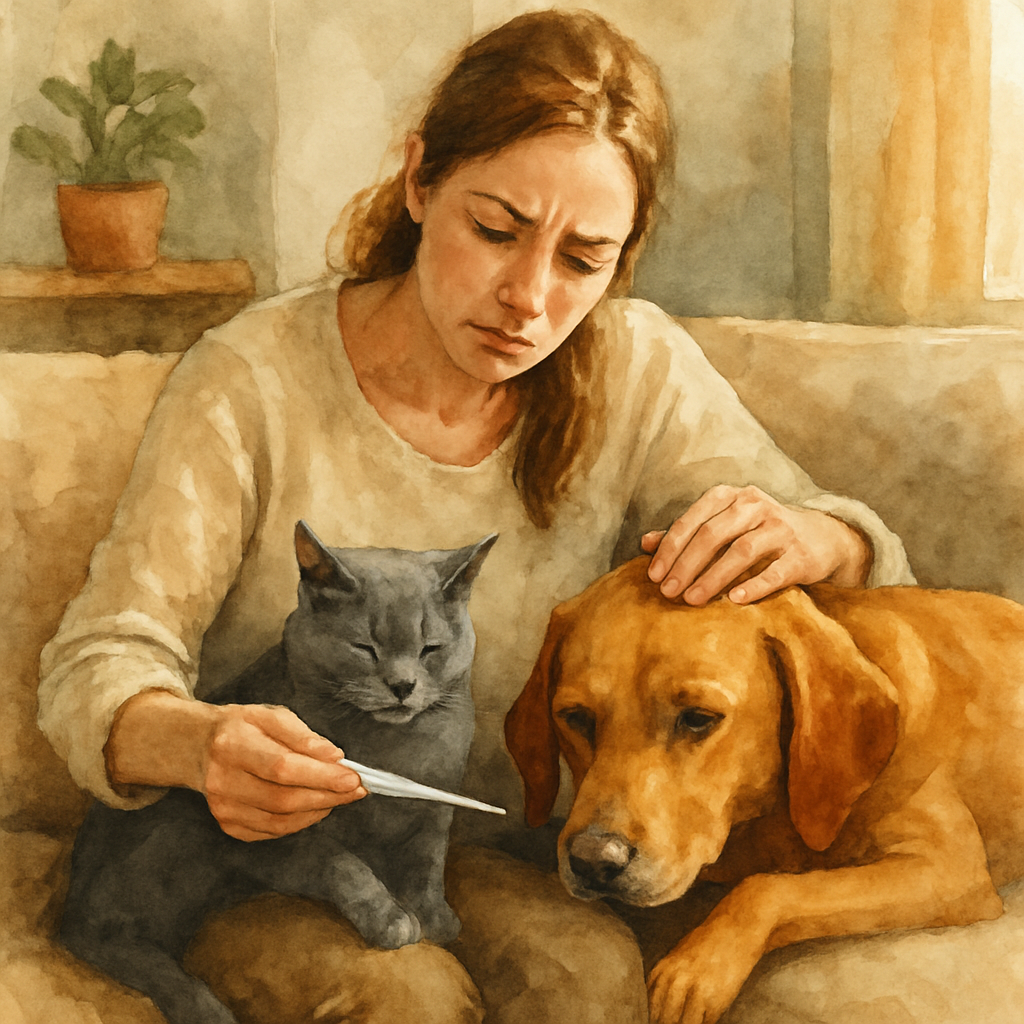
1) Loss of Appetite in Pets
What it looks like: Skipping meals, eating less than half a normal portion, refusing favorite treats, or walking away from the bowl.
Why it matters: Appetite changes are among the earliest warning signs of sick pets. Causes range from mild stomach upset to dental disease, fever, pain, kidney/liver problems, or stress. Cats are at special risk because fasting for more than 24–48 hours can lead to fatty liver disease.
What you can do now:
- Offer fresh food; check that the food hasn’t spoiled and the bowl is clean.
- Try bland, vet-approved options briefly (e.g., plain boiled chicken and rice for dogs) if there’s mild stomach upset and no other red flags.
- Encourage hydration with fresh water or an ice cube. For cats, offer a little low-sodium broth or a pet-safe wet food.
Call the vet urgently if: Your cat eats nothing for 24 hours; your dog eats less than half normal for 24–48 hours; there’s vomiting, diarrhea, lethargy, fever, pain, or your pet is very young, elderly, diabetic, or has a chronic condition.
2) Lethargy or Behavior Changes
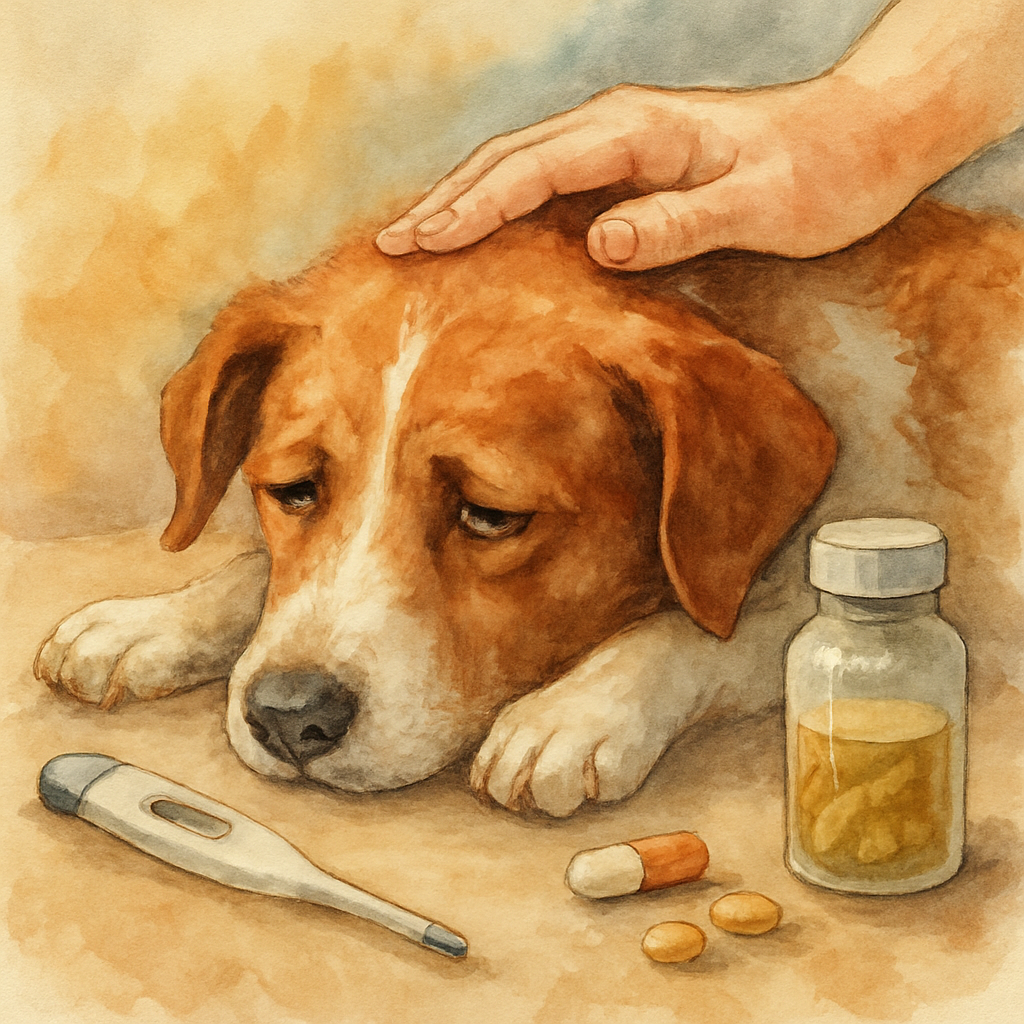
What it looks like: Less interest in play, sleeping more, hiding (cats), clinginess, restlessness, pacing, or new aggression.
Why it matters: Broad sign that something hurts or feels off—pain, fever, infection, endocrine disease, anemia, tick-borne illness, or toxin exposure.
What you can do now: Check temperature, hydration, gums, and for injuries. Reduce activity, keep warm and comfortable, and monitor closely.
Call the vet urgently if: Lethargy is severe, sudden, paired with collapse, pale/blue gums, breathing changes, fever, vomiting/diarrhea, or known toxin exposure.
3) Vomiting and Diarrhea
What it looks like: Single episode vs repeated vomiting; soft stool to watery diarrhea; blood, mucus, or black/tarry stool; straining; foreign material in vomit/stool.
Why it matters: Common pet infection signs, dietary indiscretion, parasites, pancreatitis, obstruction from swallowed objects, toxin ingestion, or endocrine disease. Young, small, and senior pets dehydrate quickly.
What you can do now:
- Remove access to non-food items. Offer small sips of water; consider bland diet for 12–24 hours if mild and no red flags.
- Never give human meds like Pepto-Bismol, ibuprofen, or loperamide without veterinary guidance.
- Collect a stool sample if you can; note frequency and appearance.
Call the vet urgently if: Repeated vomiting (more than 2–3 times), vomiting with bloating/unproductive retching (dog bloat emergency), blood in vomit/stool, black/tarry stool, severe abdominal pain, known foreign body risk (toys, strings, bones), weakness, or signs of dehydration.
4) Coughing, Sneezing, and Nasal Discharge
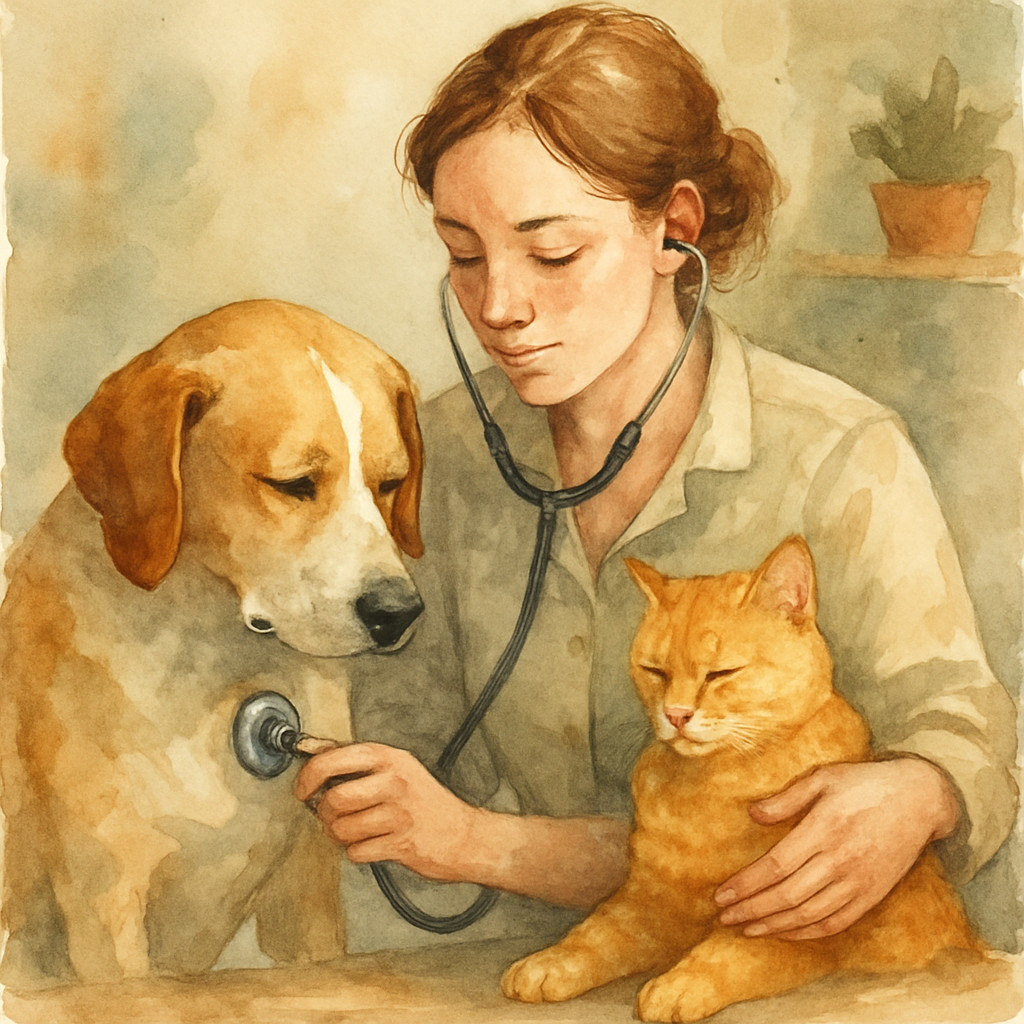
What it looks like: Dry or honking cough, wet cough, gagging, sneezing fits, thick or colored nasal discharge, reverse sneezing.
Why it matters: Can indicate respiratory infections (kennel cough, feline upper respiratory infections), allergies, heart disease, collapsing trachea, foreign bodies, or pneumonia.
What you can do now:
- Minimize exercise; use a harness instead of a neck collar for coughing dogs.
- Run a humidifier; wipe nasal discharge gently with a warm, damp cloth.
- Isolate from other pets if you suspect an infectious cause.
Call the vet urgently if: Breathing is labored, gums are pale/blue, cough is persistent, there’s fever, loss of appetite, lethargy, or your pet is a toy-breed dog or a kitten/senior cat.
5) Pet Fever Symptoms
How to check: Use a digital rectal thermometer for pets. Lubricate tip, insert gently 1–2 cm in cats/small dogs (2–3 cm in large dogs), wait for the beep, then clean thoroughly. Stop if your pet resists strongly.
- Normal: Dogs 99.5–102.5°F (37.5–39.2°C); Cats 100.0–102.5°F (37.8–39.2°C)
- Fever: >102.5°F (39.2°C)
- High fever (urgent): ≥104°F (40.0°C)
Why it matters: Fever often accompanies infection, inflammation, heat exposure, immune disease, or toxin reactions.
What you can do now: Offer water, rest in a cool, quiet room. Do not use human fever reducers (acetaminophen is toxic to cats; ibuprofen is dangerous for dogs and cats).
Call the vet urgently if: Fever ≥103.5°F persists beyond 4–6 hours, reaches 104°F or higher, or is accompanied by lethargy, vomiting, trouble breathing, or pain.
6) Dehydration Signs in Pets
What it looks like: Tacky/dry gums, sunken eyes, reduced urine, lethargy, skin “tent” that returns slowly when you pinch and release over the shoulders (less reliable in very thin/obese or very old pets).
Why it matters: Dehydration worsens illness and can become an emergency quickly with vomiting/diarrhea, heat, or fever.
What you can do now: Offer frequent small sips of water. For cats, consider a water fountain. Do not force water with a syringe if your pet is vomiting or could aspirate.
Call the vet urgently if: Your pet won’t drink, keeps vomiting, has diarrhea, shows sunken eyes or very tacky gums, or is a small/young/elderly pet.
7) Pet Pain Signs You Might Miss
What it looks like: Limping, stiffness, reluctance to jump or climb stairs, hunched posture, flinching when touched, hiding (cats), restlessness, panting at rest, vocalizing, excessive licking of one spot, squinting, or decreased grooming (cats).
Why it matters: Pain can stem from injuries, arthritis, dental disease, abdominal problems, ear or eye pain, or post-surgical issues. Pets often hide pain until it is severe.
What you can do now: Restrict activity, use soft bedding, and monitor. Never give human painkillers unless specifically prescribed by a vet; many are toxic to pets.
Call the vet urgently if: There’s sudden severe pain, inability to bear weight, suspected fracture, pain with vomiting/diarrhea, abdominal swelling, or your pet becomes aggressive when touched.
8) Ear Infection Symptoms in Pets
What it looks like: Head shaking, ear scratching, odor, redness, discharge (brown, yellow, or black), pain when the ear is touched, holding one ear down, or balance issues.
Why it matters: Common in floppy-eared dogs, swimmers, and pets with allergies. Cats may develop ear mites. Untreated infections can damage the ear canal and eardrum.
What you can do now: Wipe only the outer ear with a cotton pad; do not insert cotton swabs deep into the ear. Keep ears dry after baths. Note if symptoms follow grooming or swimming.
Call the vet: For diagnosis and proper medication. Seek urgent care if there’s severe pain, head tilt, loss of balance, or neurologic signs.
9) Urinary Problems and Accidents
What it looks like: Straining to urinate, frequent small urinations, licking the genital area, urine with blood or strong odor, accidents, crying in the litter box, or urinating outside the box.
Why it matters: Urinary tract infections, stones, inflammation, or blockages. Male cats with straining and little to no urine output can have a life-threatening obstruction—this is an emergency within hours.
What you can do now: Encourage water intake (wet food, extra bowls). Monitor urine amount and color. Save a urine sample if you can.
Call the vet urgently if: Straining produces no urine, there’s blood in urine, your pet seems painful, is vomiting, or becomes lethargic.
10) Breathing Trouble
What it looks like: Rapid or labored breathing, open-mouth breathing in cats, blue/gray gums or tongue, extended neck posture, breathing with belly effort, or collapsing after minimal activity.
Why it matters: Respiratory or cardiac disease, asthma (cats), heatstroke, allergic reaction, fluid in lungs or chest, or obstruction.
What you can do now: Keep your pet calm, cool, and quiet. Do not place anything in the mouth. Avoid stress or car rides unless going directly to emergency care.
Emergency: Any respiratory distress needs immediate veterinary attention.
11) Eye Redness, Discharge, or Squinting
What it looks like: Squinting, pawing at the eye, redness, cloudiness, blue/white haze, visible third eyelid, thick discharge, or sudden blindness (running into objects).
Why it matters: Ulcers, glaucoma, foreign bodies, infections, allergies, or trauma. Eyes can worsen quickly; early treatment protects vision.
What you can do now: Prevent rubbing with a collar if needed and keep the eye clean with sterile saline on a cotton pad.
Call the vet urgently if: Sudden vision loss, severe redness, swelling, cloudiness, or pain. Do not use leftover eye drops without guidance.
12) Skin, Coat, and Itching Changes
What it looks like: Excessive scratching, chewing, hair loss, redness, hot spots, rash, scabs, dandruff, fleas or flea dirt, new lumps, or foul skin odor.
Why it matters: Allergies, parasites (fleas, mites), infections (bacterial/yeast), ringworm, hormonal disease, or tumors. Skin issues are among the most common pet illness symptoms.
What you can do now: Check for fleas using a flea comb and white paper towel; bathe only if advised (overbathing can worsen irritation). Keep your pet from chewing areas with a recovery collar if needed.
Call the vet: If itching is persistent, skin is broken, there’s hair loss, you see fleas/mites, or new or changing lumps appear.
13) Bad Breath, Drooling, and Dental Problems
What it looks like: Foul odor, drooling, dropping food, pawing at mouth, blood on toys, swelling of the face, or reluctance to chew.
Why it matters: Dental disease is common and painful. Tooth root infections can spread bacteria to the bloodstream. Cats may develop resorptive lesions; small-breed dogs often have heavy tartar and gum disease.
What you can do now: Offer soft food if chewing is painful. Avoid hard chew toys that can fracture teeth. Never pry open the mouth if painful.
Call the vet: For dental exam and cleaning plan, especially if there is drooling, facial swelling, fever, or refusal to eat.
14) Neurologic Red Flags
What it looks like: Seizures, collapse, disorientation, head tilt, circling, stumbling, uneven pupils, sudden behavior change, or inability to stand.
Why it matters: Strokes, vestibular disease, toxins, metabolic disease (e.g., low blood sugar), brain inflammation, or injury.
What you can do now: Keep your pet safe and quiet. During a seizure, clear the area to prevent injury; do not put hands near the mouth.
Emergency: Seizure lasting more than 3–5 minutes, repeated seizures in 24 hours, collapse, or sudden severe neurologic signs require immediate veterinary care.
15) Exposure to Toxins or Foreign Objects
What it looks like: Chewed pill bottles, missing socks/toys/strings, chocolate/candy wrappers, plant nibbles, sudden vomiting or drooling, tremors, or weakness.
What you can do now: If you suspect toxin ingestion, call your veterinarian or a pet poison control hotline immediately. Do not induce vomiting unless directed by a professional.
Emergency: Known ingestion of human medications, xylitol, grapes/raisins, onions/garlic, rodenticide, cannabis/illicit drugs, lilies (cats), or batteries. Swallowed strings in cats are especially dangerous.
Normal vs Not: Quick Reference for Common Pet Infection Signs
- Temperature: Normal up to 102.5°F; fever over 102.5°F; 104°F is urgent.
- Gums: Healthy are pink and moist; very pale, blue, cherry-red, or tacky gums are warning signs.
- Urination: Normal steady stream; straining or producing drops only is abnormal and can be an emergency in male cats.
- Stool: Formed and brown; watery, black/tarry, or bloody stool needs veterinary guidance.
- Breathing: Quiet and comfortable; open-mouth breathing in cats or labored breathing in any pet is urgent.
When to Take Your Pet to the Vet: Red-Flag Checklist
- Trouble breathing, blue/pale gums, or collapse
- Repeated vomiting or diarrhea, especially with blood or weakness
- Fever ≥104°F, or fever with lethargy and poor appetite
- Straining to urinate with little/no output (especially male cats)
- Known or suspected toxin/foreign object ingestion
- Seizures, severe disorientation, head trauma
- Severe pain, inability to bear weight, or abdominal swelling
- Eye injuries, sudden vision loss, or severe squinting/redness
- No eating for 24 hours in cats, or for 24–48 hours in dogs
- Any symptom that worsens or persists beyond 24–48 hours
Practical At-Home Monitoring: What to Track for Your Vet
- Timeline: When you first noticed the problem and how it changed
- Food and water: Exact amounts eaten/drunk; any diet changes
- Bathroom: Urination and stool frequency, appearance, any accidents
- Temperature and weight: Note actual readings if possible
- Behavior: Activity level, hiding, restlessness, vocalizing
- Photos/videos: Coughing, limping, ear discharge, eye squinting
- Exposures: New treats, plants, chemicals, travel, boarding, other sick animals
- Medications/supplements: What, when, and dose (if any)
Prevention and Early Detection Tips
- Regular checkups: Annual wellness exams (twice yearly for seniors or chronic conditions)
- Vaccinations: Keep core and lifestyle vaccines current to reduce common infections
- Parasite control: Year-round flea/tick/heartworm prevention; routine fecal checks
- Dental care: Home brushing if possible, dental chews approved by your vet, and professional cleanings
- Healthy weight: Measure meals; ask for a body condition score at visits
- Safe environment: Pet-proof trash, meds, plants, and small swallowable items (string, ribbons, hair ties)
- Groom and inspect: Weekly “nose-to-tail” scan for lumps, sores, ear debris, parasites, and pain responses
- Know your pet’s normal: Resting heart/breath rate, typical appetite, and behavior make changes easier to spot
Caution: This guide is for general education and is not a substitute for professional veterinary advice. If you are worried about your pet’s health—especially if symptoms are severe, sudden, or getting worse—contact your veterinarian or an emergency clinic right away.
FAQ: Early Signs of Pet Sickness
How long should I wait before seeing a vet if my pet seems “off”?
If your pet has mild, isolated symptoms (e.g., skipped one meal, one soft stool) and is otherwise bright and drinking, you can monitor for 12–24 hours. Seek veterinary advice sooner for kittens/puppies, seniors, pets with chronic illness, or if any red flags appear (pain, fever, repeat vomiting/diarrhea, breathing changes, or lethargy).
What’s the safest way to check my pet’s temperature?
Use a digital rectal thermometer made for pets with a lubricated tip. Normal is up to 102.5°F. If your pet resists, stop and call your vet. Do not use human fever-reducing medications without veterinary direction.
Can dogs and cats get “colds”?
Yes—dogs can get infectious tracheobronchitis (often called kennel cough), and cats commonly get viral upper respiratory infections. Most cases need veterinary assessment, especially if there’s fever, poor appetite, green/yellow discharge, or breathing difficulty. Isolate sick pets from others and keep them hydrated and rested.
When is vomiting an emergency?
Urgent care is needed for repeated vomiting, blood or coffee-ground material, suspected toxin or object ingestion, abdominal swelling, weakness, or if your pet can’t keep water down. Puppies, kittens, and seniors can dehydrate quickly and should be seen sooner.
What are the most common ear infection symptoms in pets?
Head shaking, scratching, odor, redness, pain, and brown/yellow/black discharge. Dogs with floppy ears and swimmers are predisposed; cats may have ear mites. Avoid deep cleaning at home and see your vet for proper diagnosis and treatment.
How can I tell if my pet is dehydrated?
Check for tacky gums, reduced urine, and slow skin return after a gentle shoulder “tent.” Offer small sips of water and call your vet if you see signs of dehydration—especially with vomiting, diarrhea, or fever.
What information should I have ready when I call the vet?
Onset of symptoms, appetite and water intake, vomiting/diarrhea frequency, temperature (if taken), behavior changes, any known exposures (toxins, new foods, sick animals), and current medications. Photos or short videos are very helpful.
Early action saves lives. Spotting and responding to pet illness symptoms quickly gives your dog or cat the best chance for a fast, full recovery.