
Dog vs Cat Illness Symptoms: How to Spot Trouble Before It Gets Serious
Pets rarely say “I’m sick” outright. Instead, they show patterns—changes in appetite, bathroom habits, energy, breathing, or behavior. This practical pet illness symptoms guide compares dog and cat warning signs side-by-side so you can recognize trouble early, manage minor issues at home when safe, and know exactly when to take your pet to the vet.
Caution: If your pet shows severe symptoms (collapse, trouble breathing, repeated vomiting, seizures, pale gums, suspected poisoning, or a blocked male cat), contact your veterinarian or an emergency clinic immediately.
Quick Triage: Call the Vet Now vs. Monitor at Home
Call a veterinarian or emergency clinic immediately if you see:
- Struggling to breathe, blue/pale/gray gums, open-mouth breathing in cats
- Seizure, collapse, severe weakness, inability to stand
- Unproductive retching in a dog (especially large/deep-chested breeds) — potential bloat
- Male cat straining in the litter box with little/no urine, crying, licking the genitals
- Repeated vomiting (more than 2–3 times in a few hours), vomiting with blood, or foreign object suspicion (toys, string)
- Major trauma, sudden severe pain, high fever (≥ 104°F / 40°C) or low temperature (< 99°F / 37.2°C)
- Known toxin exposure (xylitol, grapes/raisins, chocolate, lilies in cats, human meds, rodenticide, antifreeze)
See your vet
- Persistent diarrhea, especially with blood/mucus, or black/tarry stool
- Loss of appetite in cats lasting more than 24 hours; in dogs more than 24–48 hours
- Coughing that’s frequent, worsening, or paired with lethargy/fever
- Ear infection symptoms in pets: head shaking, ear odor, redness, discharge, pain
- New limping, back pain, reluctance to jump/climb, or other pet pain signs
- Excessive thirst/urination, urinary accidents, straining to urinate
- Persistent eye/nasal discharge, squinting, or one eye closed
Monitor at home for 12–24 hours (call if it worsens) if you observe:
- Mild, single-episode soft stool or one-time vomiting with otherwise normal behavior
- Slight appetite reduction for one meal (dogs only) with normal hydration and mood
- Occasional sneeze or reverse sneeze without fever or behavior change
- Mild skin itch without open sores or hair loss
Know What’s Normal First: Baselines for Dogs and Cats
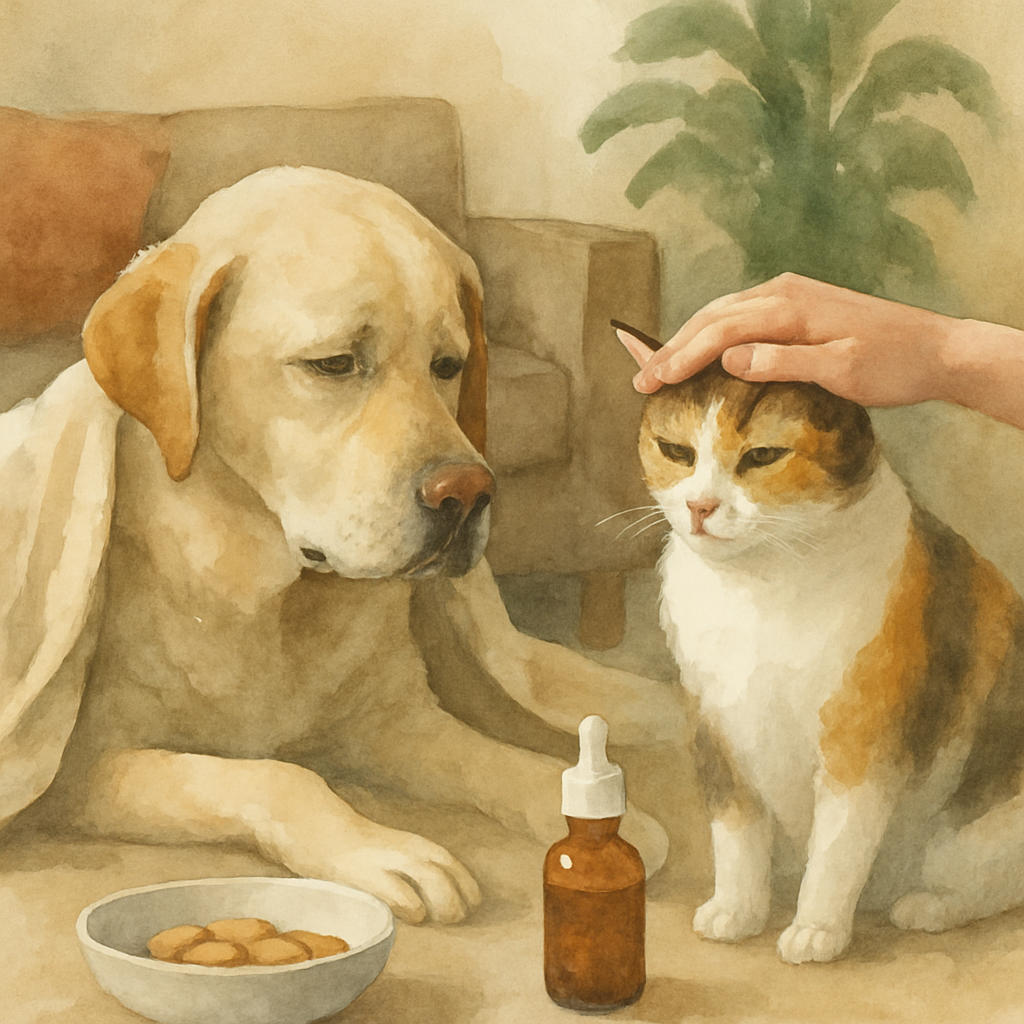
- Temperature (rectal or pet ear thermometer): Dogs ~ 99.5–102.5°F (37.5–39.2°C); Cats ~ 100.0–102.5°F (37.8–39.2°C)
- Resting respiratory rate: Dogs ~ 10–35 breaths/min (sleeping < 30); Cats ~ 16–30 breaths/min (sleeping < 30). Sustained > 40 at rest is concerning.
- Heart rate: Dogs ~ 60–160 bpm (smaller/fitter vary); Cats ~ 140–220 bpm
- Hydration/gums: Moist pink gums; capillary refill < 2 seconds. Dry/sticky gums, sunken eyes, or skin tenting suggest dehydration.
Track your pet’s normal values when healthy. Baselines help you recognize early shifts that signal dog cat health issues.
Symptom-by-Symptom Comparison Guide
Fever and “Not Themselves” Behavior
Pet fever symptoms can be subtle. Warm ears or a dry nose aren’t reliable. Use a digital rectal or pet ear thermometer.
- Dogs: Lethargy, shivering, warm belly/ears, decreased appetite. May seek cool floors.
- Cats: Hiding, reduced grooming, crouched posture, less interactive, pupils dilated. May feel hot when picked up.
Action: Temperature ≥ 103°F (39.4°C) warrants a call to your vet the same day; ≥ 104°F (40°C) is urgent. Encourage water intake. Do not give human fever reducers (especially never acetaminophen or ibuprofen).
Vomiting: Dogs vs. Cats
Common dog vomiting causes include dietary indiscretion (garbage, fatty foods), abrupt diet change, parasites, infections, pancreatitis, gastric irritation, foreign bodies, toxin exposure, and motion sickness.
In cats, vomiting may be triggered by hairballs, dietary sensitivity, sudden food change, parasites, gastroenteritis, kidney disease, hyperthyroidism (middle-aged/older cats), pancreatitis, or ingesting string/thread (danger: linear foreign body).
Red flags:
- More than 2–3 episodes in a few hours or persists over 12–24 hours
- Blood, coffee-ground material, projectile vomit, black/tarry stool, severe lethargy
- Abdominal bloating, unproductive retching (dog emergency), or string visible from cat’s mouth/anus
- Puppies/kittens, seniors, or pets with diabetes/kidney/liver disease
Home care (mild cases only):
- Dogs: Withhold food for 6–12 hours (not water). Offer small amounts of water or ice chips. If no vomiting for 6–8 hours, feed small frequent bland meals (boiled chicken/turkey with rice, or a vet GI diet) for 24–48 hours. Then transition back gradually.
- Cats: Avoid prolonged fasting. Offer small frequent portions of a bland, easily digestible food (plain cooked chicken or a vet GI diet). If a cat refuses food for more than 24 hours, call your vet—risk of hepatic lipidosis.
If vomiting recurs, there’s abdominal pain, or you suspect a toxin or obstruction, seek veterinary care promptly.
Diarrhea: Dogs vs. Cats
Cat diarrhea causes and dog causes often overlap: dietary indiscretion, rapid diet change, parasites (giardia, roundworms, hookworms, coccidia), stress colitis, infections, inflammatory bowel disease, food allergy/intolerance, or systemic disease.
- Dogs: Large-bowel diarrhea often shows mucus and straining; small-bowel diarrhea is watery and larger volume.
- Cats: Litter box changes (soft/liquid stool, accidents) may be the first sign. Cats may hide or over-groom the rear end.
Home care (mild cases): Ensure access to fresh water; add an electrolyte solution made for pets if advised by your vet. Consider a short course of a veterinary probiotic. Use a bland diet for 24–48 hours. Avoid fatty or seasoned foods. Bring a fresh stool sample to your vet if diarrhea persists beyond 24–48 hours or if your pet is very young/old.
See a vet sooner if there is blood, black/tarry stool, fever, repeated vomiting, dehydration, severe lethargy, or pain.
Coughing, Sneezing, and Nasal Discharge
- Dogs: Kennel cough (infectious tracheobronchitis) causes a hacking “honking” cough, especially after excitement. Heart disease can also cause cough and exercise intolerance. Occasional reverse sneezing can be benign.
- Cats: Upper respiratory infections (often viral) cause sneezing, watery eyes, nasal discharge, and decreased appetite. Cats can develop pneumonia or chronic rhinitis if not addressed.
Action: If cough/sneeze is frequent, paired with fever, thick/colored discharge, breathing changes, or poor appetite, call the vet. Keep cats eating; humidifiers and gentle eye/nose cleaning can help with comfort while you arrange care.
Ear Infection Symptoms in Pets
Common signs include head shaking, ear scratching, pain on touching the ear, odor, redness, brown/yellow discharge, and imbalance if the inner ear is affected.
- Dogs: Moist, floppy ears and allergies predispose to yeast/bacterial otitis. Swimming can trap moisture and fuel infections.
- Cats: Ear mites (coffee-ground debris), allergies, and polyps are frequent culprits. Cats with ear mites often transmit them to housemates.
Do not use cotton swabs or alcohol/peroxide in the ear canal. See your vet for an exam, cytology, and safe treatment. Use only vet-approved ear cleaners and complete the full course of meds.
Parasites in Pets Symptoms
- External parasites:
- Fleas: itching, hair loss over tail base, flea dirt (black specks that turn red when wet), anemia in kittens/puppies.
- Ticks: visible ticks, swelling at bite site; risk of tick-borne diseases (Lyme, Ehrlichia, Anaplasma).
- Mites: intense itch, crusting (scabies), ear debris (ear mites), hair loss.
- Internal parasites:
- Roundworms/hookworms: pot-bellied look, diarrhea, vomiting worms, anemia, poor growth.
- Tapeworms: rice-like segments around anus or in stool; often linked to fleas.
- Giardia/coccidia: soft, foul-smelling diarrhea; may be intermittent.
- Heartworm: coughing, exercise intolerance in dogs; in cats, respiratory signs (HARD) or sudden collapse.
Action: Year-round parasite prevention, regular fecal testing, and prompt flea/tick control are essential. Indoor cats still face risk from mosquitoes (heartworm) and hitchhiking fleas.
Pet Pain Signs
- Dogs: Limping, stiffness, reluctance to jump/stairs, pacing, panting at rest, yelping, licking a spot, “prayer” position (front down, rear up), aggression when touched.
- Cats: Hiding, reduced grooming, matted coat, reluctance to jump, narrow pupils or squinting, flattened ears, hunched posture, tail flicking, avoiding the litter box due to pain.
Never give human pain relievers to pets unless your vet prescribes a specific dose. Cats are especially sensitive to many medications. Seek veterinary guidance for safe options.
Loss of Appetite in Pets
Skipping an occasional meal may be normal for some dogs, but a cat not eating for 24 hours is urgent due to the risk of hepatic lipidosis. Loss of appetite may stem from dental disease, nausea, pain, fever, stress, kidney/liver disease, pancreatitis, infections, or endocrine issues.
Action: Encourage hydration. For cats, try warming food, offering a smelly option (tuna water), or hand-feeding small amounts. If appetite doesn’t return quickly or other symptoms appear, contact your vet.
Urination, Thirst, and Litter Box Changes
- Dogs: Increased thirst/urination (PU/PD) can signal diabetes, Cushing’s, or kidney disease. Straining, frequent attempts, or accidents may indicate a UTI, bladder stones, or prostatitis.
- Cats: Urinating outside the box can be medical or behavioral. Straining to urinate, frequent visits with small output, vocalizing, or licking the genital area are red flags. Male cat urinary blockage is an emergency.
Action: Any urinary straining, blood in urine, or sudden accidents with distress warrants prompt veterinary evaluation.
Skin and Coat Changes
- Dogs: Hot spots (acute moist dermatitis) from itch/pain; allergies causing paw licking and ear infections; hair loss and thinning with endocrine issues (hypothyroidism, Cushing’s).
- Cats: Overgrooming from stress/pain/allergies; miliary dermatitis (small scabs), flea allergy dermatitis; ringworm (fungal, zoonotic) causing circular hair loss.
Action: Address itch early to avoid infections. Suspect ringworm with circular hair loss—handle carefully and see a vet due to contagion risk.
Neurologic Signs
- Dogs: Seizures, head tilt, sudden imbalance (vestibular disease), wobbly gait, knuckling, or disorientation may occur with toxins, ear disease, spinal issues, or brain disease.
- Cats: Seizures, circling, sudden blindness, head pressing, or stumbling may signal serious illness (hypertension, toxins, infection, trauma).
Action: New neurologic signs need urgent veterinary assessment.
How to Check Your Pet at Home (Safely)
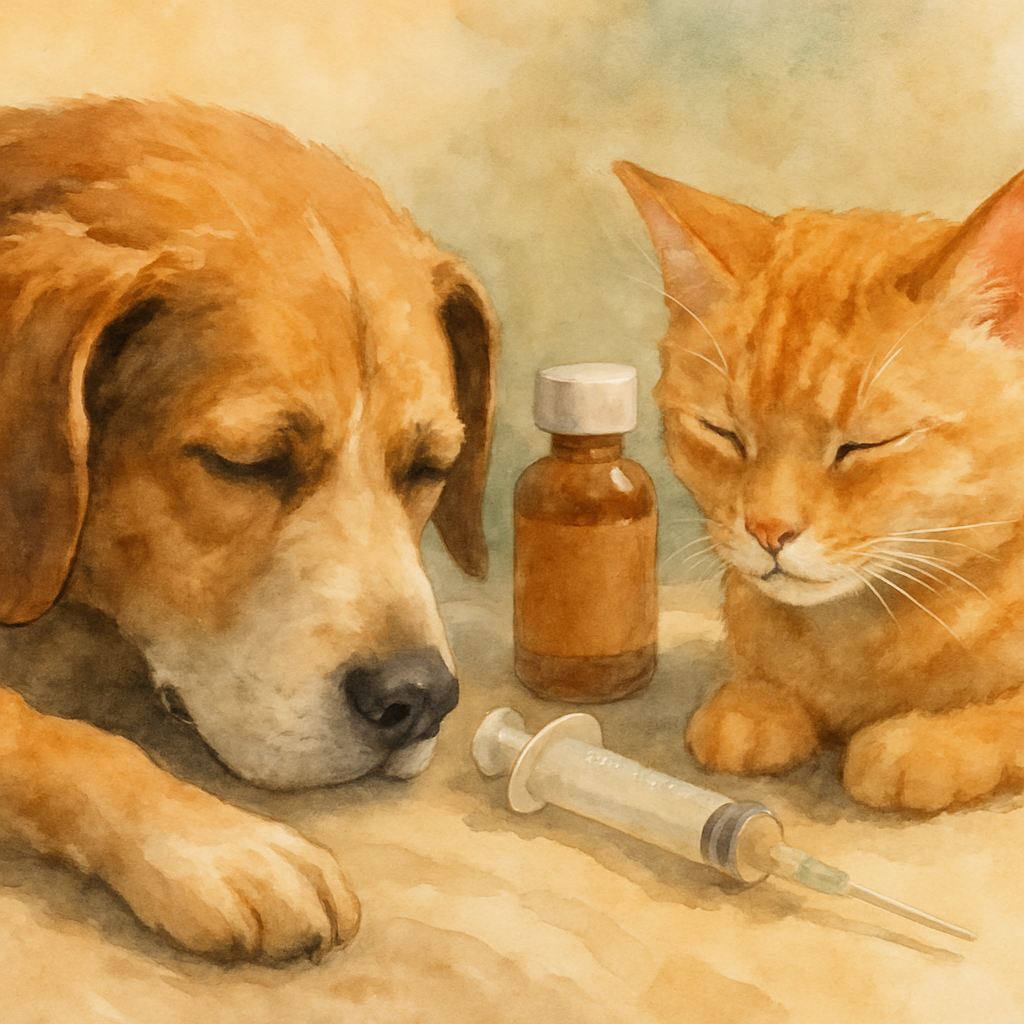
- Temperature: Use a lubricant and a digital rectal thermometer or a pet ear thermometer. Normal ranges are listed above. Clean the thermometer after each use.
- Breathing rate: Count chest rises for 30 seconds at rest and double. Note effort (nostril flaring, belly pushing, open-mouth breathing in cats is abnormal).
- Heart rate: Feel the inner thigh (femoral pulse) or place a hand over the left chest. Count for 15 seconds and multiply by four.
- Hydration: Check gum moisture and skin tent over the shoulders. Dry/sticky gums, slow skin snap-back, or sunken eyes suggest dehydration.
- Mouth and gums: Pale, blue, cherry red, or yellow gums are abnormal. Normal is pink and moist with capillary refill under 2 seconds.
- Abdomen: Gently feel for pain, bloating, or a tense belly. If painful, stop and call your vet.
- Stool/urine log: Note frequency, volume, color, and any blood or mucus. Bring photos or samples to your vet.
Do not administer human medications without veterinary guidance. Many are toxic to pets (especially cats). When in doubt, call your vet or a pet poison helpline.
Prevention: Reduce the Risk of Common Illnesses
- Vaccinations: Keep core vaccines up to date (dogs: distemper/parvo, rabies; cats: FVRCP, rabies; others based on lifestyle).
- Parasite prevention: Year-round flea, tick, heartworm prevention; routine fecal tests and deworming as recommended.
- Nutrition: Feed a complete, balanced diet with gradual transitions (over 5–7 days). Avoid fatty scraps and sudden changes.
- Hydration: Provide multiple clean water sources; cats often drink better with fountains and wide bowls.
- Grooming and dental care: Regular brushing, nail care, ear checks, and tooth brushing or dental diets/chews.
- Litter box hygiene: Scoop daily, one box per cat plus one extra, and place boxes in quiet areas.
- Weight and exercise: Maintain a healthy body condition to reduce risk of diabetes, arthritis, and respiratory issues.
- Stress reduction: For cats, provide hiding spots, vertical space, and predictable routines; for dogs, enrichment and consistent schedules.
- Routine checkups: Annual exams (twice yearly for seniors) to catch subtle changes early.
Dog vs. Cat Illness Clues at a Glance
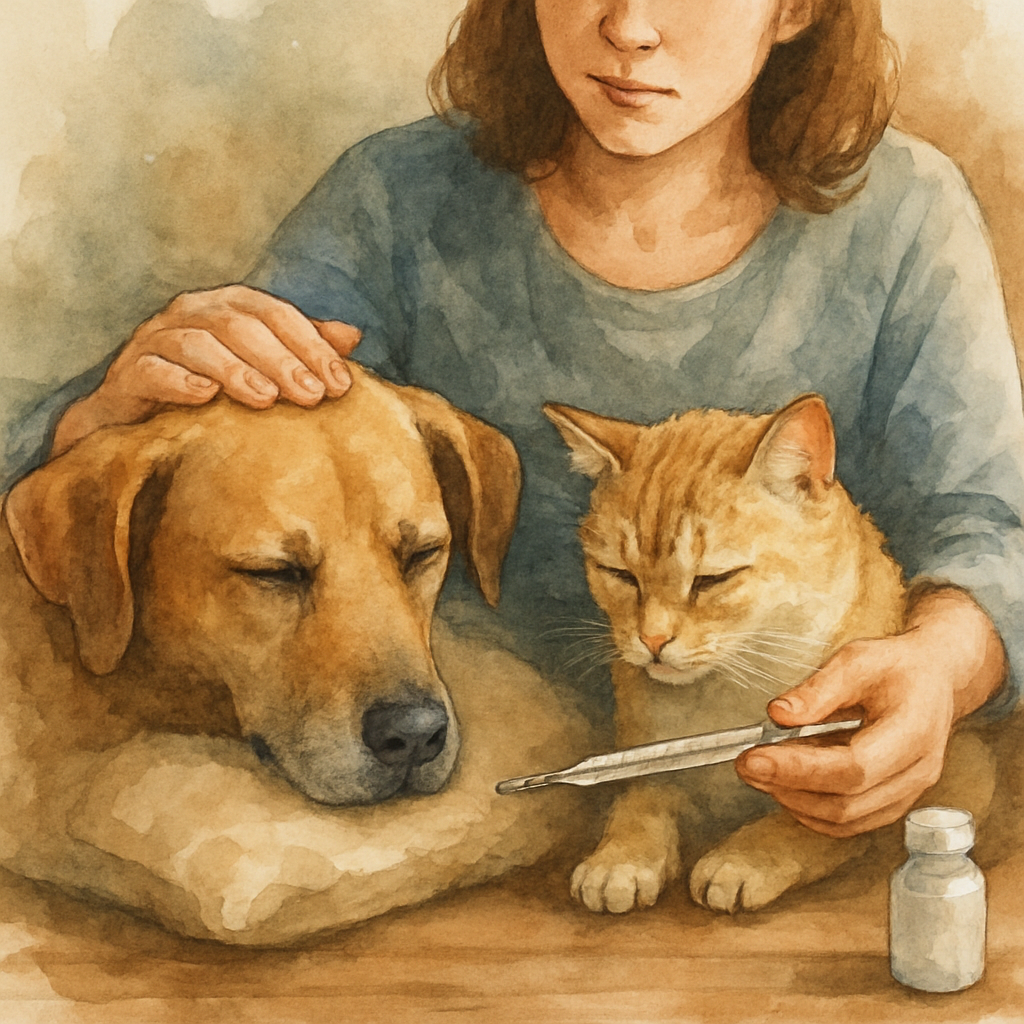
Dogs may show: obvious limping, attention-seeking when in pain, panting at rest, “prayer” position, eating less but still social, honking cough, ear odor with head-shaking, diarrhea after diet changes, garbage ingestion, bloat risk in deep-chested breeds, and heartworm-related cough.
Cats may show: hiding, decreased grooming, matted coat, subtle posture changes, quiet withdrawal, refusal to jump, urinating outside the box if painful, upper respiratory sneezing in multi-cat homes, string ingestion risk, and life-threatening urinary blockages in males. Even mild loss of appetite can be high risk in cats.
When to Take Your Pet to the Vet: Clear Triggers
- Any breathing difficulty, repeated vomiting, seizures, collapse, or suspected poisoning — immediately
- Male cats straining to urinate or producing little/no urine — emergency
- Fever ≥ 103°F (39.4°C) or temperature < 99°F (37.2°C) — call same day
- Loss of appetite: cats > 24 hours; dogs > 24–48 hours — schedule prompt visit
- Diarrhea or vomiting persisting beyond 24 hours or with blood — see vet
- Ear infection symptoms in pets lasting more than 24 hours or causing pain — see vet
- New limping, back/neck pain, or neurologic signs — prompt exam
- Increased thirst/urination, weight loss, or behavior changes — schedule evaluation
Practical Examples
- Example 1: Dog vomits once after a park day. Bright, happy, normal gums. Offer water, skip one meal, then feed a bland diet in small portions. If vomiting recurs or lethargy develops, call your vet.
- Example 2: Indoor cat stops eating for a day. Hiding under the bed, mild sneezing. Offer warmed wet food and a quiet room with a humidifier. If still not eating by the next morning or develops fever, contact your vet to prevent complications.
- Example 3: Dog shaking head after swimming, ear smells yeasty. Avoid Q-tips. Schedule a vet visit for ear cytology and treatment; use a vet-recommended drying ear cleaner afterward as advised.
- Example 4: Male cat visiting litter box repeatedly, crying, tiny drops of urine. Emergency right now — risk of urinary blockage.
- Example 5: Older dog coughing at night and easily tired on walks. Schedule a vet exam to check for heart or lung disease and review heartworm prevention status.
Frequently Asked Questions
What are the most common pet illness symptoms I should watch for daily?
Changes in appetite, thirst, energy, breathing, bathroom habits, vomiting/diarrhea, coughing/sneezing, ear scratching/odor, limping, and behavior shifts (hiding in cats, restlessness/panting in dogs). This pet illness symptoms guide can help you track them.
How can I tell if my pet has a fever?
Use a pet-specific digital thermometer (rectal or ear). Don’t rely on nose moisture. Dogs are usually 99.5–102.5°F; cats 100.0–102.5°F. Call the vet at ≥ 103°F or if your pet looks ill.
When is dog vomiting an emergency?
Multiple episodes in a few hours, vomiting with blood, severe lethargy, abdominal pain, suspected toxin or foreign object, or unproductive retching (possible bloat). Puppies and seniors warrant faster evaluation.
What home remedies are safe for mild diarrhea?
Short-term bland diet, access to water, and a veterinary probiotic are reasonable. If there’s blood, black stool, fever, worsening symptoms, or diarrhea lasts beyond 24–48 hours, see your vet. Bring a stool sample.
Can I give my pet human pain meds?
No. Many are toxic to pets (especially cats). Use only medications and doses prescribed by your veterinarian.
Do indoor cats need parasite prevention?
Yes. Mosquitoes carry heartworm indoors; fleas/ticks can hitchhike on people or other pets. Regular prevention and fecal checks are recommended.
How soon should I worry about a cat not eating?
If your cat skips food for more than 24 hours, contact your vet. Cats are at risk for hepatic lipidosis when they stop eating.
Bottom Line
Early recognition of pet illness symptoms — from subtle cat behavior changes to more obvious dog signs — is the key to better outcomes. When in doubt about when to take your pet to the vet, err on the side of calling. Quick action can prevent minor issues from becoming serious.
Urgent or serious concerns? Contact your veterinarian or the nearest emergency animal hospital right away.